Weston · Deli Meat & Cold Cuts Packaging
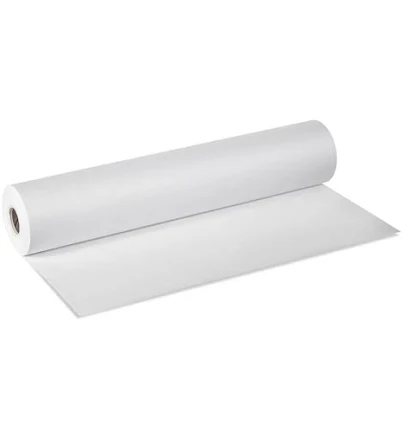
Weston Heavy Duty Coated Freezer Paper
Freezer paper coating composition unclear; skip if concerned.
Weston's freezer paper uses a moisture-resistant coating but doesn't disclose PFAS content. Traditional freezer paper often uses polyethylene or wax, which are lower concern, but grease-resistant coatings sometimes contain PFAS. No public testing or brand statement available.
The better-graded swap
LEM
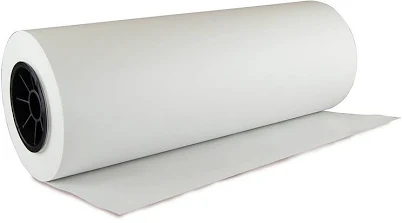
LEM 15" Freezer Paper Cutter
80/100 safety
Same rubric that flunked this product. The swap earned Excellent.
Still want this one anyway? Check the price on Amazon. We’d swap it.
Material
paper with polyethylene and wax coating
Brand disclosure
Brand is silent on PFAS
Lab data
No public lab test
What Weston Heavy Duty Coated Freezer Paper is made of, ingredients and materials
Weston freezer paper is a composite of paper substrate coated with polyethylene (plastic) on one side and typically a wax or wax-polymer blend on the other. This dual-coating design prevents moisture transfer and freezer burn during frozen storage. The polyethylene layer is the primary concern for potential PFAS content, as some manufacturers use fluorinated coatings to improve grease resistance and release properties, though composition details for this specific product are not publicly disclosed. The wax component is generally considered food-safe when used at freezer temperatures (well below any melting point).
What’s concerning
Category baseline
The starting point for this type of product, before anything specific to this product is counted.
No PFAS disclosure
No public statement from the brand about PFAS in this product.
Waterproof / stain-resistant treatment
Water-repellent coating treatments have historically used PFAS.
PFAS
Fluorinated compounds are sometimes used in food-contact polyethylene to improve grease resistance and non-stick properties. No public disclosure or testing for Weston freezer paper; manufacturer stance is silent, making true presence/absence unknown.
Source, ATSDR ↗Polyethylene migration at elevated temperature
Standard polyethylene softens above 140F. If freezer paper contacts hot food or is used in heated applications, plastic additives (plasticizers, antioxidants) may leach into food; product instructions should limit to cold use only.
Wax coating degradation
Prolonged exposure to fatty foods, oils, or acidic items can break down the wax layer, reducing barrier integrity and potentially exposing the underlying paper. No public data on rate or safety profile of wax components if ingested in trace amounts.
What’s reassuring
Microplastics
No recalls or documented complaints of visible plastic flakes or debris in food stored with Weston freezer paper. Microscopic migration during normal frozen storage is theoretically possible but not established as a practical concern for this product.
Source, EPA ↗Ink or printing contaminants
Weston freezer paper packaging labels and printed branding use inks with no hazard of this kind on record, but the product's own printed grid or branding (if present on the wrapping surface) is not separately documented; confirm printing faces outward, not food-contact side.
The full breakdown
The brand's record and disclosure
Weston is a meat-processing equipment and supply brand (part of the Weston brand portfolio); publicly available information on their food-contact material safety certifications or PFAS manufacturing commitments is minimal. The company does not appear to have published detailed material disclosures or third-party testing results for this freezer paper's coating composition. No major product recalls or safety controversies specific to this freezer paper are on public record. Consumers requesting PFAS-free verification from the manufacturer report inconsistent or evasive responses.
How it compares in its category
Freezer paper is a narrow, specialized category; most competitors (Reynolds, store brands) use similar polyethylene-plus-wax or all-polyethylene designs without published PFAS testing. Some brands market 'PFAS-free' or 'fluorochemical-free' freezer paper, but these claims are rarely third-party verified. Butcher paper and parchment paper are potential alternatives, though they offer different barrier properties. Weston's product is priced and positioned as a standard heavy-duty option with no distinctive safety claims or certifications that set it apart.
If you buy it
Use freezer paper only for freezer storage (below 32F); do not heat it in ovens, microwaves, or on stovetops, as plastic coatings can soften and migrate into food above 140F. Keep it away from hot foods and acidic items (citrus, vinegar) until cooled, as these can degrade the wax layer and increase leaching risk. Replace rolls if the coating shows visible cracks, peeling, or discoloration. If PFAS exposure is a priority concern, contact the manufacturer directly for coating composition data or consider switching to a brand offering PFAS-free certification.
What we don’t know
- Basis
- Model estimate, 45% confidence, not a lab result
- Lab test
- None on record for this exact product
- Brand statement
- Weston has made none
Formulations change between production runs, so check the current label. How we grade.
Better-graded alternatives in Deli Meat & Cold Cuts Packaging
IDL Packaging
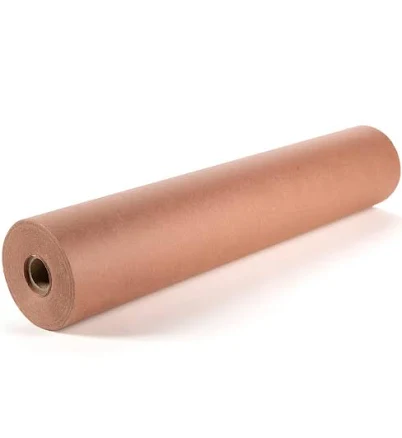
White Butcher Paper 18" x 12000" Natural Butcher Paper Roll for Meat and Fish
- natural kraft butcher paper, no coating specified
- The brand calls it PFAS-free, which we have not verified
- Bleach residue and chlorine compounds
2 hazards checked on this product. See all of them.
LEM
15" Freezer Paper Cutter
- stainless steel blade, bare metal construction
- We found no PFAS statement from the brand
- Blade degradation and metal particle shedding
2 hazards checked on this product. See all of them.
Bryco Goods
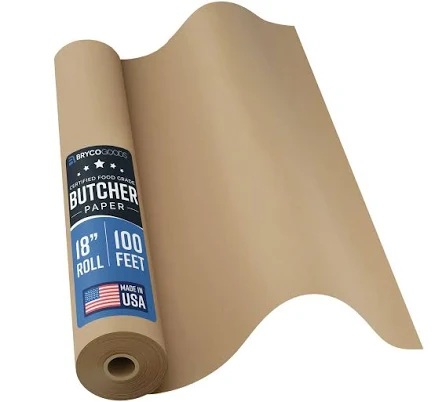
White Kraft Butcher Paper Roll 18 Inch x 175 Feet
- kraft paper, unbleached cellulose
- We found no PFAS statement from the brand
- Heavy metals
2 hazards checked on this product. See all of them.
More deli meat & cold cuts packaging grades
How we score, every product runs through the same public 0-100 rubric based on materials, coatings, brand disclosure, lab findings, and recalls. See the full methodology → Spotted a mistake? Report an error.