Weston · Deli Meat & Cold Cuts Packaging
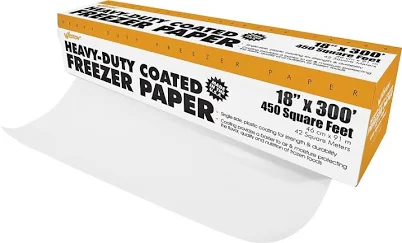
Weston Heavy Duty Freezer Paper with Cutter Box
Freezer paper coating nature unclear; common PFAS risk in grease-resistant food packaging.
Weston freezer paper provides no public disclosure of coating composition or PFAS status. Grease-resistant food packaging often contains PFAS, and independent lab data is unavailable for this product.
The better-graded swap
LEM
LEM 15" Freezer Paper Cutter
80/100 safety
Same rubric that flunked this product. The swap earned Excellent.
Still want this one anyway? Check the price on Amazon. We’d swap it.
Material
paper with moisture/grease-resistant coating
Brand disclosure
Brand is silent on PFAS
Lab data
No public lab test
What Weston Heavy Duty Freezer Paper is made of, ingredients and materials
Weston freezer paper is a two-ply product, kraft paper (cellulose fiber) on one side, a moisture and grease-resistant plastic coating on the other. The coating is what makes freezer paper work, it blocks water vapor and fat from seeping through, but the chemical identity of that coating is not disclosed on the packaging or in available product documentation. Freezer paper coatings are commonly fluorinated (PFAS-based) or polyethylene-based; without third-party testing or a manufacturer statement, the actual composition remains unclear.
What’s concerning
Category baseline
The starting point for this type of product, before anything specific to this product is counted.
No PFAS disclosure
No public statement from the brand about PFAS in this product.
Waterproof / stain-resistant treatment
Water-repellent coating treatments have historically used PFAS.
PFAS
Freezer paper coatings commonly use PFAS for water/grease resistance. Weston does not disclose coating chemistry or PFAS status. Risk is highest if coating contacts warm or fatty foods, though freezing conditions (primary use case) reduce leaching likelihood.
Source, ATSDR ↗Coating degradation and microparticle shedding
Over time or if wet-stored, freezer paper coatings can crack, peel, or shed particles. This is a mechanical rather than chemical hazard, but can compromise food safety if pieces contact wrapped food. Inspect rolls for damage before use.
What’s reassuring
Polyethylene or other non-fluorinated plastic leachates
If Weston uses polyethylene-based (PFAS-free) coating instead of fluorinated resin, leaching risk at freezing temperatures is low. No public complaints or recalls of this product for off-odors or contamination have been identified.
Ink or printing residues on roll exterior
Weston freezer paper rolls are printed with product branding and instructions. Inks used on food-contact paper should comply with FDA 175.300 standards; no violations are on record for this brand, but ingredient transparency is not provided.
The full breakdown
The brand's record and disclosure
Weston is a mid-tier food storage and processing brand (owned by Mastercook Group) with no publicly available statements on PFAS use, coating chemistry, or third-party certifications for food contact materials. No product recalls or safety incidents specific to Weston freezer paper are on record. The brand does not advertise PFAS-free or fluorine-free status, which is a notable silence given industry movement toward transparency in food packaging coatings.
How it compares in its category
Freezer paper is a narrow category. Most commercial freezer paper (Reynolds, store brands) uses similar plastic coatings of undisclosed composition. Some manufacturers now market PFAS-free or plant-based polyethylene coatings, though verification is limited. Weston does not highlight such claims. For comparison, parchment paper (silicone-coated) avoids grease-resistant fluorination but is less vapor-resistant and more expensive; plastic wrap (polyethylene) avoids coating concerns entirely but is less durable and creates microplastic shedding risk.
If you buy it
Use Weston freezer paper only for freezing (below 32F / 0C), not for direct contact with room-temperature or hot foods, to minimize any risk of coating leaching. Do not use in conventional ovens or microwaves. Replace rolls every 12 months if stored in a humid environment, as coating degradation can allow moisture penetration. For long-term storage beyond 6 months, consider double-wrapping or vacuum-sealing as additional barriers.
What we don’t know
- Basis
- Model estimate, 45% confidence, not a lab result
- Lab test
- None on record for this exact product
- Brand statement
- Weston has made none
Formulations change between production runs, so check the current label. How we grade.
Better-graded alternatives in Deli Meat & Cold Cuts Packaging
IDL Packaging
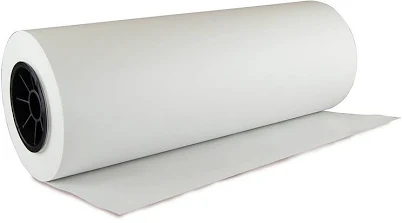
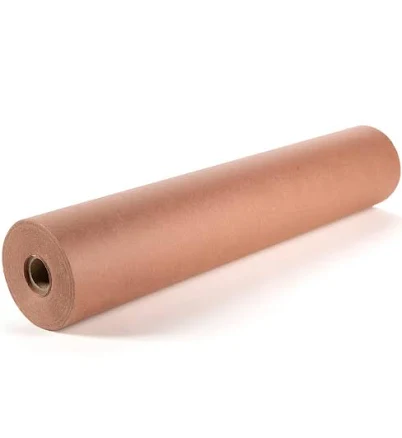
White Butcher Paper 18" x 12000" Natural Butcher Paper Roll for Meat and Fish
- natural kraft butcher paper, no coating specified
- The brand calls it PFAS-free, which we have not verified
- Bleach residue and chlorine compounds
2 hazards checked on this product. See all of them.
LEM
15" Freezer Paper Cutter
- stainless steel blade, bare metal construction
- We found no PFAS statement from the brand
- Blade degradation and metal particle shedding
2 hazards checked on this product. See all of them.
Bryco Goods
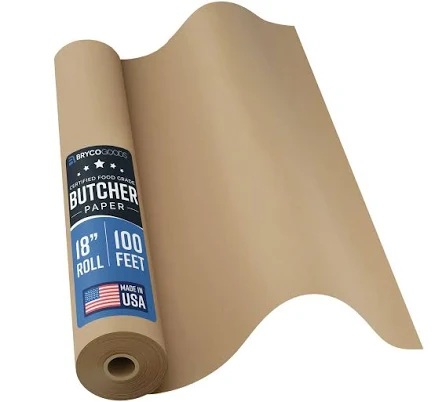
White Kraft Butcher Paper Roll 18 Inch x 175 Feet
- kraft paper, unbleached cellulose
- We found no PFAS statement from the brand
- Heavy metals
2 hazards checked on this product. See all of them.
More deli meat & cold cuts packaging grades
How we score, every product runs through the same public 0-100 rubric based on materials, coatings, brand disclosure, lab findings, and recalls. See the full methodology → Spotted a mistake? Report an error.