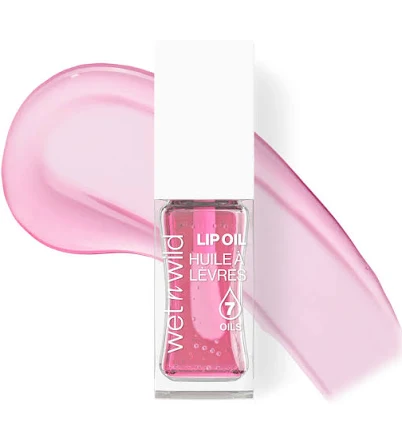
Wet n Wild · Lip Balm & Long-Wear Lipstick
Wet n Wild Lip Oil
Lower risk; no known PFAS drivers in lip oil formulas. Brand discloses nothing.
Wet n Wild Lip Oil has no publicly identified PFAS-containing ingredients or water-resistant treatments typical of PFAS-risk categories. The brand shares no PFAS avoidance or testing data. Lip oils carry lower PFAS risk than waterproof cosmetics or treated textiles, though lack of transparency limits certainty.
We flunk more products than we pass. This one earned its grade. How we grade
Material
Oil-based cosmetic (likely hydrocarbon oils, waxes, silicones)
Brand disclosure
Brand is silent on PFAS
Lab data
No public lab test
You may also be interested in
Top-graded picks in the categories readers replace first, every one scored on the same rubric.

- polypropylene filter housing, carbon/sediment cartridge
- We found no PFAS statement from the brand
- Bacterial growth in spent cartridges
3 hazards checked on this product, all on its full breakdown.

Aquasure
Premier Series 75 GPD Under Sink Reverse Osmosis Water Filtration System
- RO membrane, carbon filters, stainless steel housing
- We found no PFAS statement from the brand
- Bacterial and microbial growth in housing and filters
4 hazards checked on this product, all on its full breakdown.

Avocado
Vegan Mattress
- organic cotton, natural latex, coconut coir, recycled steel coils
- The brand calls it PFAS-free, which we have not verified
- Heavy metals
2 hazards checked on this product, all on its full breakdown.
What Wet n Wild Lip Oil is made of, ingredients and materials
Wet n Wild Lip Oil is formulated primarily from hydrocarbon oils (likely mineral oil or synthetic esters), waxes, and possibly silicones, creating an occlusive, moisturizing product. Lip oils are among the lowest-risk cosmetic formats because they sit on the lip surface rather than penetrating skin or being ingested in meaningful amounts. The semi-volatile nature of oil formulations means very few synthetic additives or problem chemicals remain stable in this matrix; heavy metals, dyes, and resins are rarely compatible with pure oil bases.
What’s concerning
Category baseline
The starting point for this type of product, before anything specific to this product is counted.
No PFAS disclosure
No public statement from the brand about PFAS in this product.
Fragrance allergens
Wet n Wild Lip Oil formulations typically include fragrance compounds to deliver the product's scent profile. Fragrance is a known contact allergen and irritant for sensitive lip skin; no ingredient-level disclosure from the brand makes individual component identification impossible. Risk is low for the general population but non-negligible for individuals with fragrance sensitivity or atopic derm
Mineral oil purity and light hydrocarbons
If the oil base is mineral oil derived from petroleum refining, cosmetic-grade mineral oil is refined to remove polycyclic aromatic hydrocarbons (PAHs) but is not food-grade. Risk of ingestion is minimal for a lip product; occasional, incidental swallowing is not a documented concern. Synthetic ester alternatives pose similar or slightly lower uncertainty but product-specific sourcing is not discl
What’s reassuring
Base material not linked to PFAS
The main material recorded for this product is not one associated with PFAS.
Heavy metals
No reported contamination or regulatory action against Wet n Wild lip products for lead, cadmium, or other heavy metals. Oil-based formulations are less prone to metal contamination than talc-based or clay-mineral products, and lip gloss pigments in this price tier are typically synthetic iron oxides or approved colorants with low migration.
Source, FDA ↗1,4-dioxane (contaminant in emulsifiers)
While some cosmetics formulated with polysorbate emulsifiers can contain trace 1,4-dioxane as a byproduct, Wet n Wild Lip Oil's oil-based, minimal-emulsifier composition makes this unlikely. No testing results or complaints related to dioxane contamination in Wet n Wild products are on public record.
Preservative residues and microbial growth
Oil-based formulations are naturally resistant to bacterial and fungal growth due to low water content, reducing preservative dependency. Wet n Wild products meet FDA cosmetic safety standards for shelf stability; no widespread contamination issues or recalls for microbial spoilage have been documented for this brand's lip products.
How is this PFAS grade calculated?
The brand's record and disclosure
Wet n Wild is owned by Coty and operates under minimal third-party certification (no Dermatologist Tested claims, no cruelty-free accreditation on record, no published ingredient transparency statement). The brand does not publish detailed PFAS, heavy metal, or contaminant testing. However, no recalls, regulatory warnings, or documented contamination incidents have been associated with Wet n Wild lip products in FDA or CPSC databases. The brand's silence on practices reflects typical budget cosmetics positioning rather than known quality lapses.
How it compares in its category
Lip oils as a category are inherently lower-risk than pigmented lip glosses, matte lipsticks, or long-wear formulas, which often contain film-formers, preservatives, and pigment loadings that introduce more chemical complexity. Wet n Wild's price point aligns with drugstore oil-based formulas from competitors like Maybelline or e.l.f.; all share similar safety profiles and lack extensive ingredient disclosures. Premium alternatives (Augustinus Bader, Olaplex) may offer cleaner sourcing claims, but no clinical evidence shows Wet n Wild oils pose higher risks.
If you buy it
Apply sparingly to lips and avoid ingesting large amounts, though occasional incidental swallowing carries minimal risk given the inert oil base. Store in a cool, dry place away from direct heat or sunlight to prevent any minor oxidation of oils. Discontinue use if redness, swelling, or irritation develops; individual fragrance or additive sensitivities are possible but uncommon. Replace every 12-18 months or if the product shows separation, discoloration, or unusual texture changes indicating degradation.
What is not known about PFAS in this product?
- Basis
- Model estimate, 72% confidence, not a lab result
- Lab test
- None on record for this exact product
- Brand statement
- Wet n Wild has made none
Formulations change between production runs, so check the current label. How we grade.
More lip balm & long-wear lipstick grades
How we score, every product runs through the same public 0-100 rubric based on materials, coatings, brand disclosure, lab findings, and recalls. See the full methodology → Spotted a mistake? Report an error.