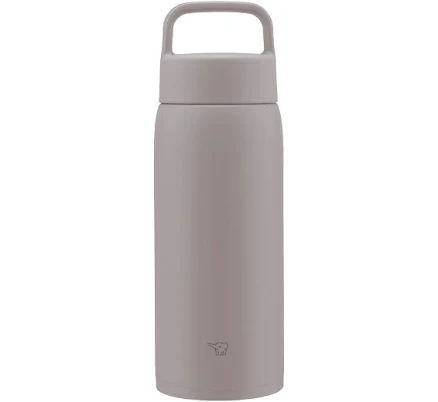
Zojirushi · Insulated Drink Tumblers
Zojirushi 27oz Stainless Steel Tumbler
Lower concern. Stainless steel with no coating on record.
This tumbler is made of stainless steel with a standard plastic lid and has no water-repellent finish on record. Stainless steel is not a material linked to PFAS. Zojirushi has no PFAS statement on record for this product.
We flunk more products than we pass. This one earned its grade. How we grade
Material
stainless steel with standard plastic lid
Lab data
No public lab test
You may also be interested in
Top-graded picks in the categories readers replace first, every one scored on the same rubric.

- polypropylene filter housing, carbon/sediment cartridge
- We found no PFAS statement from the brand
- Bacterial growth in spent cartridges
3 hazards checked on this product, all on its full breakdown.

Aquasure
Premier Series 75 GPD Under Sink Reverse Osmosis Water Filtration System
- RO membrane, carbon filters, stainless steel housing
- We found no PFAS statement from the brand
- Bacterial and microbial growth in housing and filters
4 hazards checked on this product, all on its full breakdown.

Avocado
Vegan Mattress
- organic cotton, natural latex, coconut coir, recycled steel coils
- The brand calls it PFAS-free, which we have not verified
- Heavy metals
2 hazards checked on this product, all on its full breakdown.
What Zojirushi 27oz Stainless Steel Tumbler is made of, ingredients and materials
This tumbler uses food-grade stainless steel (typically 18/8 or 304 grade) as the primary container material, which is chemically inert and does not leach metals under normal use. The plastic lid is the secondary concern; Zojirushi typically uses polypropylene (PP) or acrylic-based polymers for lids, which are lower-risk plastics compared to polycarbonate. The double-wall vacuum insulation layer sits between the steel walls and poses no exposure risk since it is sealed away from contents.
What’s concerning
Category baseline
The starting point for this type of product, before anything specific to this product is counted.
No PFAS disclosure
No public statement from the brand about PFAS in this product.
BPA & bisphenols
Zojirushi does not publicly specify lid polymer type or disclose BPA/BPS testing. Standard PP or acrylic lids carry low inherent risk, but if polycarbonate was used (unlikely but not ruled out), BPA exposure under hot conditions is possible.
Source, FDA ↗Lid degradation and microplastic release
Plastic lids degrade over time with repeated thermal cycles and UV exposure. Visible cloudiness or brittleness indicates polymer breakdown; continued use may introduce microplastics into beverages, especially if lid is heated.
Seal material contamination or mold growth
Rubber or silicone gaskets in the lid seal area can harbor bacteria and mold if not cleaned thoroughly or allowed to dry. This is a maintenance issue, not a manufacturing defect, but relevant to reducing potential risks during use.
What’s reassuring
Bare uncoated material
Recorded as a bare, uncoated material with no surface coating or treatment.
Stainless steel nickel leaching
Food-grade 304/18-8 stainless steel is formulated to resist corrosion and nickel migration under normal beverage storage conditions. No recall or published testing data shows elevated nickel leaching from Zojirushi stainless tumblers.
Coating or paint on exterior graphics
If the tumbler has printed logos or graphics, the inks/coatings are not in food contact and pose minimal ingestion risk. No known issues documented for Zojirushi exterior finishes.
How is this PFAS grade calculated?
The brand's record and disclosure
Zojirushi is a Japanese manufacturer with a long track record in food-contact drinkware and has not faced major product safety recalls related to chemical leaching in their tumbler lines. The company does not publicly disclose detailed material sourcing or independent safety testing results for this specific product, which is typical for the category. No established controversies regarding heavy metals, coatings, or off-gassing have been documented for their stainless steel tumblers.
How it compares in its category
Stainless steel tumblers have lower concern for leaching because the material itself is non-reactive with acidic, alkaline, or hot liquids. This product has lower concern compared to ceramic-coated alternatives (which may contain lead in glazes) or older non-stick coated metals (Teflon-type coating risk). The plastic lid is a standard design choice across this category and introduces minimal hazard if PP or acrylic is used, though lid materials are rarely disclosed by manufacturers.
If you buy it
Hand wash the lid separately and inspect it annually for cracks or cloudiness, which may indicate polymer degradation; replace if visible damage occurs. Avoid prolonged exposure to boiling water (above 212F/100C) with the lid sealed, as pressure buildup and plastic stress can increase leaching risk. Do not microwave the lid or tumbler, and do not store acidic beverages (vinegar, citrus juice) for extended periods, though stainless steel resists corrosion well. Rinse thoroughly after each use and dry promptly to prevent mineral deposits and mold growth in the seal area.
What is not known about PFAS in this product?
- Basis
- Model estimate, 82% confidence, not a lab result
- Lab test
- None on record for this exact product
- Brand statement
- Zojirushi has made a specific claim
Formulations change between production runs, so check the current label. How we grade.
What are the PFAS-free alternatives to Zojirushi 27oz Stainless Steel Tumbler?
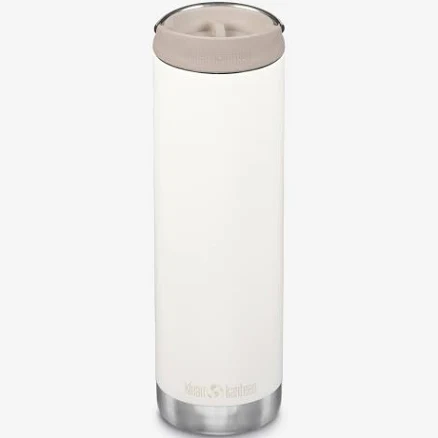
- Stainless steel bottle, stainless steel cap
- The brand calls it PFAS-free, which we have not verified
- Powder-coat cap degradation over time
3 hazards checked on this product, all on its full breakdown.
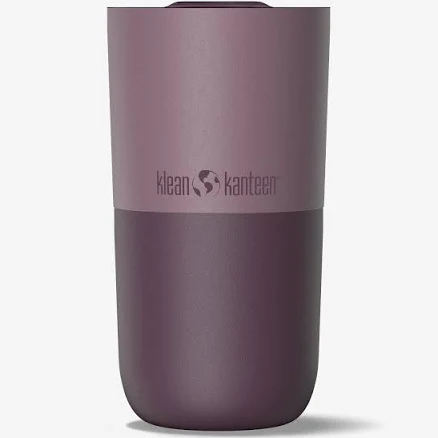
- Stainless steel body, powder-coat finish
- The brand calls it PFAS-free, which we have not verified
- Powder-coat finish degradation
3 hazards checked on this product, all on its full breakdown.
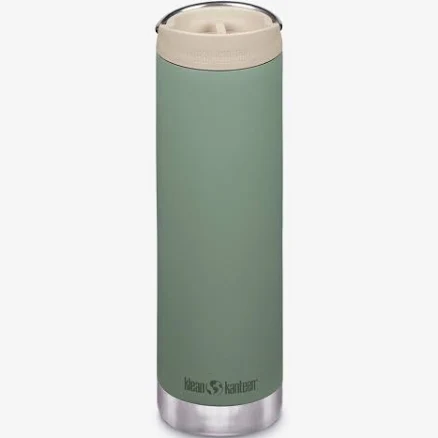
- Stainless steel bottle, plastic cap and silicone gasket
- The brand calls it PFAS-free, which we have not verified
- Silicone gasket degradation and leaching
3 hazards checked on this product, all on its full breakdown.
More insulated drink tumblers grades
How we score, every product runs through the same public 0-100 rubric based on materials, coatings, brand disclosure, lab findings, and recalls. See the full methodology → Spotted a mistake? Report an error.