Bonnie & Clyde Review, Is Bonnie & Clyde Non-Toxic?
Bonnie & Clyde averages 75 out of 100 on PFAS Authority's PFAS and toxin screen across the 3 Bonnie & Clyde products graded as of October 2026, and all 3 reach its 70 point pass mark.
Bonnie & Clyde grades Excellent on our four-band scale. On disclosure, the brand says nothing publicly about PFAS. See what every brand has published about PFAS for how that compares.
PFAS Authority is a scoring system, not a laboratory. We do not test products ourselves. Grades are model-based, built from published ingredients, materials, certifications, brand disclosures and third-party lab results where they exist. See the rubric.
You may also be interested in
Top-graded picks in the categories readers replace first, every one scored on the same rubric.

- polypropylene filter housing, carbon/sediment cartridge
- We found no PFAS statement from the brand
- Bacterial growth in spent cartridges
3 hazards checked on this product, all on its full breakdown.

Aquasure
Premier Series 75 GPD Under Sink Reverse Osmosis Water Filtration System
- RO membrane, carbon filters, stainless steel housing
- We found no PFAS statement from the brand
- Bacterial and microbial growth in housing and filters
4 hazards checked on this product, all on its full breakdown.

Avocado
Vegan Mattress
- organic cotton, natural latex, coconut coir, recycled steel coils
- The brand calls it PFAS-free, which we have not verified
- Heavy metals
2 hazards checked on this product, all on its full breakdown.
Which Bonnie & Clyde products are PFAS-free? Good or better, best-graded first
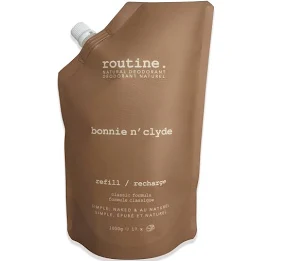
- standard deodorant base (likely mineral salts, oils, waxes)
- We found no PFAS statement from the brand
- Fragrance allergens and sensitizers. Bonnie & Clyde does not disclose fragrance components or allergen…
2 hazards checked on this product, all on its full breakdown.
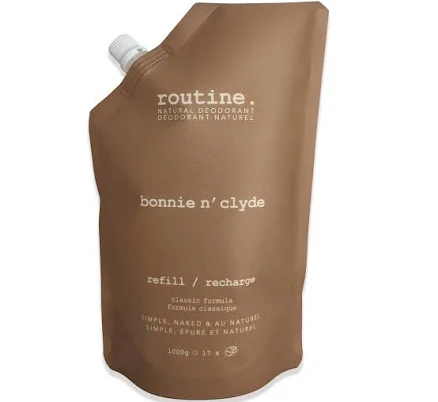
- talc or mineral-based dry powder
- We found no PFAS statement from the brand
- Talc contamination (asbestos risk). Talc ore can be contaminated with asbestos during mining. Cosmetic-grade…
2 hazards checked on this product, all on its full breakdown.
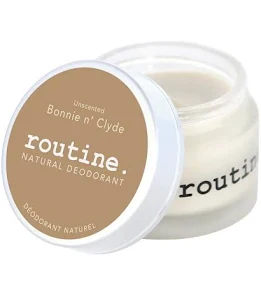
- mineral-based powder or starch blend
- We found no PFAS statement from the brand
- Bacterial growth or contamination if unmaintained. Powder deodorants in open or loosely sealed containers can…
Bonnie & Clyde and PFAS, common questions
- Does Bonnie & Clyde have PFAS?
- Bonnie & Clyde averages 75 out of 100 on PFAS Authority's PFAS and toxin screen across the 3 Bonnie & Clyde products graded as of October 2026, and all 3 reach its 70 point pass mark. Grades are model-based estimates built from published materials, ingredients and disclosures, not lab tests.
- Is Bonnie & Clyde non-toxic?
- Bonnie n' Clyde Deodorant is the highest-graded Bonnie & Clyde product we have scored, at 75/100. It depends on the product line rather than the brand, so check the grade of the exact item you are buying.
- Which Bonnie & Clyde products are lower concern for PFAS?
- The highest-graded Bonnie & Clyde products we have scored are Bonnie n' Clyde Deodorant, Bonnie n' Clyde Unscented Deodorant Family Size, Routine Bonnie n' Clyde Unscented Deodorant. That is our model-based estimate from materials and public disclosure, not a lab test.
Every grade uses the same public rubric. How grades work →