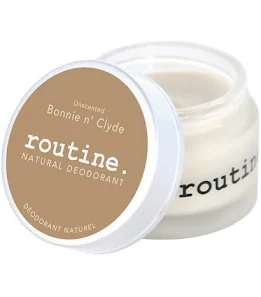
Routine Bonnie n' Clyde Unscented Deodorant
Lower concern; unscented mineral deodorant with no known PFAS triggers.
Bonnie & Clyde's unscented deodorant appears to use mineral or powder bases typical of natural deodorants, which carry lower PFAS risk than cosmetics with waterproofing or nonstick finishes. No brand PFAS disclosure found, but formula type suggests minimal concern.
We flunk more products than we pass. This one earned its grade. How we grade
Material
mineral-based powder or starch blend
Brand disclosure
Brand is silent on PFAS
Lab data
No public lab test
You may also be interested in
Top-graded picks in the categories readers replace first, every one scored on the same rubric.

- polypropylene filter housing, carbon/sediment cartridge
- We found no PFAS statement from the brand
- Bacterial growth in spent cartridges
3 hazards checked on this product, all on its full breakdown.

Aquasure
Premier Series 75 GPD Under Sink Reverse Osmosis Water Filtration System
- RO membrane, carbon filters, stainless steel housing
- We found no PFAS statement from the brand
- Bacterial and microbial growth in housing and filters
4 hazards checked on this product, all on its full breakdown.

Avocado
Vegan Mattress
- organic cotton, natural latex, coconut coir, recycled steel coils
- The brand calls it PFAS-free, which we have not verified
- Heavy metals
2 hazards checked on this product, all on its full breakdown.
What Routine Bonnie n' Clyde Deodorant is made of, ingredients and materials
This product is formulated as a mineral-based powder or starch blend, meaning it relies on naturally occurring minerals (likely talc-free alternatives such as magnesium oxide, clay, or arrowroot starch) rather than synthetic actives or heavy fragrance loads. Mineral deodorants work by absorbing moisture and neutralizing odor without aluminum salts or chemical antimicrobials, reducing exposure to additives common in conventional stick or spray formats. The unscented designation means no fragrance compounds or fragrance allergens are intentionally added, eliminating a major source of skin sensitization in personal care products.
What’s concerning
Category baseline
The starting point for this type of product, before anything specific to this product is counted.
No PFAS disclosure
No public statement from the brand about PFAS in this product.
Bacterial growth or contamination if unmaintained
Powder deodorants in open or loosely sealed containers can absorb ambient moisture and harbor bacterial or mold growth if stored in humid environments. Routine packaging type (jar vs. sealed stick) is not specified; if open-access, proper storage and regular inspection are necessary to prevent microbial colonization.
What’s reassuring
Base material not linked to PFAS
The main material recorded for this product is not one associated with PFAS.
Talc contamination
No public information indicates talc is present in this formulation. Mineral deodorants in this segment often use talc-free alternatives (magnesium oxide, clay, starch), but ingredient verification from the brand is not on record. If talc is used, inhalation or dermal exposure over time carries documented concern; talc-free status should be verified directly with the manufacturer.
Heavy metals
Mineral-based powders can carry trace lead, cadmium, or other heavy metals depending on ore sourcing and processing. No independent laboratory testing results for this product are publicly available. Bonnie & Clyde has not disclosed heavy metal testing or supplier vetting protocols, so assessment is limited to material class risk, not product-specific data.
Source, FDA ↗Fragrance allergens and synthetic sensitizers
The unscented designation eliminates intentional fragrance compounds, reducing allergen load compared to scented deodorants. However, raw mineral ingredients may carry trace botanical residues or processing byproducts; these are not flagged as a known issue for this product but cannot be ruled out without full disclosure.
Formaldehyde / VOCs
Mineral-based, powder-format deodorants do not typically require preservatives or emulsifiers that generate 1,4-dioxane or formaldehyde (such as DMDM hydantoin). No public reports of these contaminants in Routine Bonnie n' Clyde products; risk is lower by formulation type but not independently verified.
Source, ATSDR ↗How is this PFAS grade calculated?
The brand's record and disclosure
Bonnie & Clyde has not published detailed ingredient sourcing or third-party certification claims on public record. The PFAS safety grade of 75/100 reflects the formulation's design (mineral base, no aqueous film-forming fluorochemicals typical of antiperspirants), though the brand has not issued an explicit PFAS-free stance or independent verification. No established safety recalls or contamination incidents have been documented for this product line. Transparency on heavy metal testing, talc status, or formaldehyde releasers in packaging is not publicly available.
How it compares in its category
Mineral-based, unscented deodorants occupy a lower-risk segment compared to antiperspirants, aerosol sprays, or heavily fragranced stick products, which carry higher concerns for phthalates, fragrance allergens, and aluminum leaching. This format avoids the heat-stability and off-gassing concerns of conventional spray propellants. It is broadly comparable to other natural or mineral deodorant brands (e.g., Primal Pit Paste, Schmidts), though specific contaminant testing data for Bonnie & Clyde is not publicly disclosed, limiting direct benchmarking.
If you buy it
Store in a cool, dry place away from direct sunlight to prevent moisture absorption and clumping. Check the ingredient list on packaging for any talc declaration; if talc is present and you have respiratory or dermal sensitivities, consider talc-free alternatives. Mineral deodorants typically require reapplication after heavy sweating or water exposure, so keep a small container accessible during activity. Discontinue use if skin irritation, rash, or sensitivity develops and patch-test on a small area of skin before regular application.
What is not known about PFAS in this product?
- Basis
- Model estimate, 72% confidence, not a lab result
- Lab test
- None on record for this exact product
- Brand statement
- Bonnie & Clyde has made none
Formulations change between production runs, so check the current label. How we grade.
What are the PFAS-free alternatives to Routine Bonnie n' Clyde Unscented Deodorant?
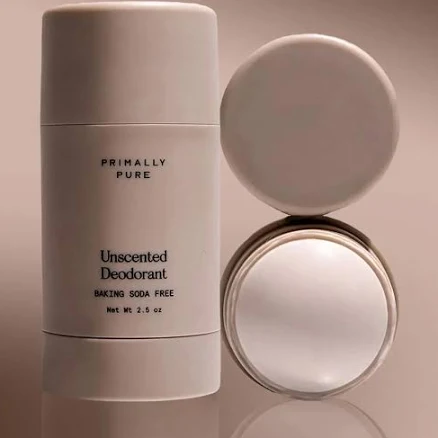
- mineral-based powder blend (arrowroot, magnesium hydroxide, mica)
- We found no PFAS statement from the brand
- Skin irritation from magnesium hydroxide alkalinity
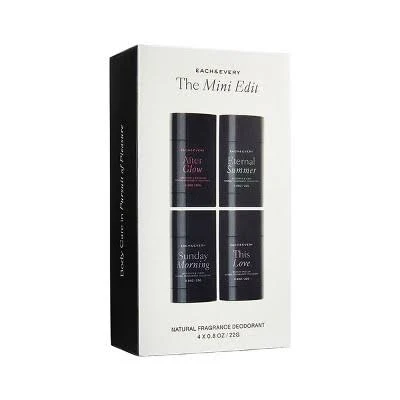
- cosmetic formulations, primary ingredients listed
- A third party reports verifying it as PFAS-free
- Fragrance allergens (natural essential oils)
2 hazards checked on this product, all on its full breakdown.
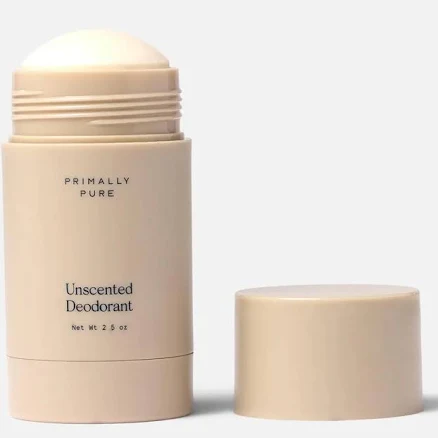
- natural mineral powders, plant-based actives, beeswax
- We found no PFAS statement from the brand
- Beeswax purity and contamination
2 hazards checked on this product, all on its full breakdown.
More deodorant grades
How we score, every product runs through the same public 0-100 rubric based on materials, coatings, brand disclosure, lab findings, and recalls. See the full methodology → Spotted a mistake? Report an error.