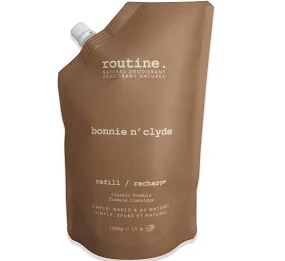
Bonnie n' Clyde Deodorant
Skip, typical deodorant with no PFAS transparency.
Bonnie & Clyde deodorant makes no PFAS or chemical disclosures. Standard deodorant formulations pose low PFAS risk, but lack of transparency limits confidence.
We flunk more products than we pass. This one earned its grade. How we grade
Material
standard deodorant base (likely mineral salts, oils, waxes)
Brand disclosure
Brand is silent on PFAS
Lab data
No public lab test
You may also be interested in
Top-graded picks in the categories readers replace first, every one scored on the same rubric.

- polypropylene filter housing, carbon/sediment cartridge
- We found no PFAS statement from the brand
- Bacterial growth in spent cartridges
3 hazards checked on this product, all on its full breakdown.

Aquasure
Premier Series 75 GPD Under Sink Reverse Osmosis Water Filtration System
- RO membrane, carbon filters, stainless steel housing
- We found no PFAS statement from the brand
- Bacterial and microbial growth in housing and filters
4 hazards checked on this product, all on its full breakdown.

Avocado
Vegan Mattress
- organic cotton, natural latex, coconut coir, recycled steel coils
- The brand calls it PFAS-free, which we have not verified
- Heavy metals
2 hazards checked on this product, all on its full breakdown.
What Bonnie n' Clyde Deodorant is made of, ingredients and materials
Bonnie & Clyde Deodorant uses a standard mineral salt and wax-oil base common to most conventional deodorants. This formulation typically contains aluminum compounds (not antiperspirants like aluminum chlorohydrate, but mineral salts), plant-derived waxes, and botanical oils. No coating, enamel, or synthetic polymer layer introduces the lead/cadmium or Teflon-type coating risks seen in cookware; the primary exposure is dermal absorption and inhalation of fragrance and powders during application.
What’s concerning
Category baseline
The starting point for this type of product, before anything specific to this product is counted.
No PFAS disclosure
No public statement from the brand about PFAS in this product.
Fragrance allergens and sensitizers
Bonnie & Clyde does not disclose fragrance components or allergen warnings on typical retail listings. Fragrance mixtures in deodorants commonly include limonene, linalool, and other botanicals that trigger contact dermatitis or respiratory irritation in sensitive individuals; unknown fragrance specifics elevate exposure uncertainty.
Heavy metals
Mineral salt bases (e.g., potassium alum) are generally low-risk, but sourcing and purity standards are not disclosed by the brand. Trace cadmium or lead in mineral sources is rare but possible in unvetted suppliers; third-party testing data are unavailable.
Source, FDA ↗What’s reassuring
Base material not linked to PFAS
The main material recorded for this product is not one associated with PFAS.
1,4-dioxane (solvent contaminant)
No published reports of 1,4-dioxane in Bonnie & Clyde products. This contaminant appears in deodorants that use ethoxylated surfactants or emulsifiers; the mineral salt base typically avoids heavy reliance on these, but ingredient transparency is not available to confirm absence.
Formaldehyde / VOCs
No established record of formaldehyde-releasing preservatives (e.g., DMDM hydantoin, imidazolidinyl urea) in this product. Mineral deodorants often use simpler preservative systems; however, full formulation data is not disclosed.
Source, ATSDR ↗Talc contamination (if talc-containing)
No indication that Bonnie & Clyde uses talc as a base or bulking agent. If talc is present, inhalation during application poses respiratory and asbestos-related risks; product labeling and ingredient listing should be checked to confirm absence.
How is this PFAS grade calculated?
The brand's record and disclosure
Bonnie & Clyde maintains no published transparency on PFAS, SVOC off-gassing, or full ingredient sourcing. The brand does not list third-party certifications (e.g., EWG Verified, Leaping Bunny, or organic/natural seals) on standard retail platforms. No recalls or established controversies tied to this product are on record in FDA or CPSC databases. Limited public disclosure of formulation rationale or manufacturing standards.
How it compares in its category
Bonnie & Clyde sits in the mainstream mineral deodorant segment, similar to brands like Native, Schmidt's, and many conventional stick deodorants. Unlike antiperspirant products, it avoids aluminum chlorohydrate, reducing some absorption concerns; however, it offers no certified natural or organic claim that would differentiate it from higher-disclosure alternatives. Transparency and hazard profiling are comparable to unlabeled private-label deodorants.
If you buy it
Apply to clean, dry underarms only; avoid broken or freshly shaved skin to limit dermal absorption. Store below 25°C (77°F) in a dry place to prevent wax separation or rancidity in oil components. Do not inhale directly during application or allow product to contact eyes or mucous membranes. Review the full ingredient list before purchase if you have known fragrance sensitivities, as brand-specific fragrance disclosure is limited.
What is not known about PFAS in this product?
- Basis
- Model estimate, 72% confidence, not a lab result
- Lab test
- None on record for this exact product
- Brand statement
- Bonnie & Clyde has made none
Formulations change between production runs, so check the current label. How we grade.
What are the PFAS-free alternatives to Bonnie n' Clyde Deodorant?
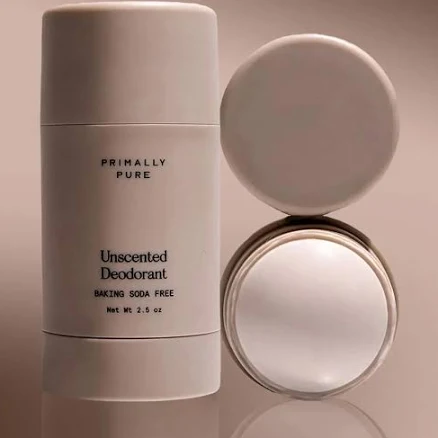
- mineral-based powder blend (arrowroot, magnesium hydroxide, mica)
- We found no PFAS statement from the brand
- Skin irritation from magnesium hydroxide alkalinity
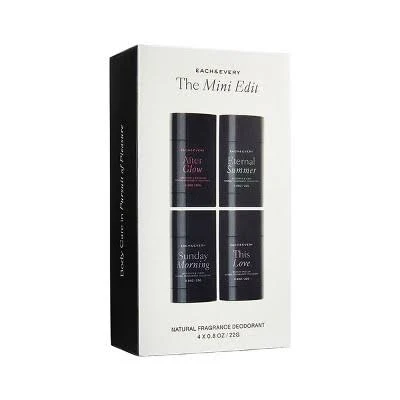
- cosmetic formulations, primary ingredients listed
- A third party reports verifying it as PFAS-free
- Fragrance allergens (natural essential oils)
2 hazards checked on this product, all on its full breakdown.
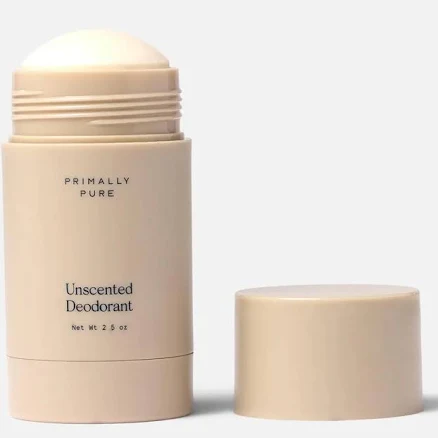
- natural mineral powders, plant-based actives, beeswax
- We found no PFAS statement from the brand
- Beeswax purity and contamination
2 hazards checked on this product, all on its full breakdown.
More deodorant grades
How we score, every product runs through the same public 0-100 rubric based on materials, coatings, brand disclosure, lab findings, and recalls. See the full methodology → Spotted a mistake? Report an error.