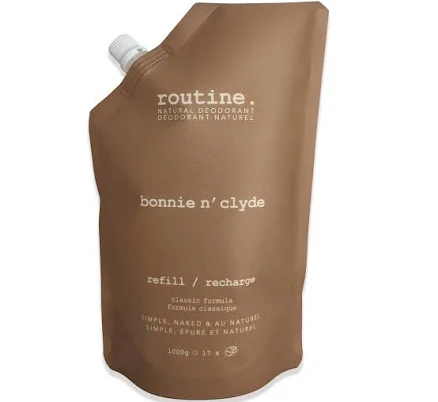
Bonnie n' Clyde Unscented Deodorant Family Size
Lower concern for mineral powder deodorant, but brand provides no transparency.
Bonnie n' Clyde's unscented deodorant uses a dry powder formula without water-resistance coatings or stain treatments that would introduce PFAS. The brand makes no public statement about PFAS testing or avoidance.
We flunk more products than we pass. This one earned its grade. How we grade
Material
talc or mineral-based dry powder
Brand disclosure
Brand is silent on PFAS
Lab data
No public lab test
You may also be interested in
Top-graded picks in the categories readers replace first, every one scored on the same rubric.

- polypropylene filter housing, carbon/sediment cartridge
- We found no PFAS statement from the brand
- Bacterial growth in spent cartridges
3 hazards checked on this product, all on its full breakdown.

Aquasure
Premier Series 75 GPD Under Sink Reverse Osmosis Water Filtration System
- RO membrane, carbon filters, stainless steel housing
- We found no PFAS statement from the brand
- Bacterial and microbial growth in housing and filters
4 hazards checked on this product, all on its full breakdown.

Avocado
Vegan Mattress
- organic cotton, natural latex, coconut coir, recycled steel coils
- The brand calls it PFAS-free, which we have not verified
- Heavy metals
2 hazards checked on this product, all on its full breakdown.
What Bonnie n' Clyde Unscented Family Size is made of, ingredients and materials
Bonnie & Clyde's unscented formula is talc or mineral-based dry powder, which avoids liquid hydrophobic coatings that typically introduce PFAS. Talc itself carries a separate risk profile, potential asbestos contamination in mining and processing, though modern cosmetic-grade talc is regulated for purity in the US and EU. The unscented designation means no fragrance allergens or masking chemicals. Powder deodorants generally have a simpler chemistry than antiperspirant gels, reducing the number of potential irritants.
What’s concerning
Category baseline
The starting point for this type of product, before anything specific to this product is counted.
No PFAS disclosure
No public statement from the brand about PFAS in this product.
Talc contamination (asbestos risk)
Talc ore can be contaminated with asbestos during mining. Cosmetic-grade talc sold in the US and EU is supposed to be tested and certified asbestos-free, but Bonnie & Clyde does not publish third-party testing data or sourcing standards. This is an industry-wide transparency issue, not a brand-specific recall.
Skin irritation from mineral particles
Some users experience irritation or folliculitis from talc or mineral powder deodorants, especially on shaved or sensitive skin. This is user-dependent, not a manufacturing defect, but relevant for sensitive individuals considering this product.
What’s reassuring
Base material not linked to PFAS
The main material recorded for this product is not one associated with PFAS.
Heavy metals
Talc and other mineral powders can occasionally contain trace lead or cadmium depending on geological source. No specific contamination has been reported for this brand. Standard cosmetic regulations require limits, but Bonnie & Clyde does not publicly disclose testing.
Source, FDA ↗Fragrance allergens
This product is marketed as unscented, so fragrance-related contact dermatitis and respiratory sensitization are not a concern here. This is a strength relative to scented deodorants.
Formaldehyde / VOCs
Powder deodorants typically avoid preservative systems that release formaldehyde (common in liquid/cream formulas). No data suggests Bonnie & Clyde uses these agents, and the unscented, anhydrous format makes them unlikely.
Source, ATSDR ↗How is this PFAS grade calculated?
The brand's record and disclosure
Bonnie & Clyde does not publicly disclose talc sourcing, mining standards, or third-party testing for asbestos or heavy metal contamination. The brand has not sought major certifications (e.g., NSF, EWG Verified, or cruelty-free seals) that would signal transparency. No significant recalls or safety controversies are on record for this specific product or brand. The silence on supply chain and ingredient sourcing reflects a wider industry norm among mid-tier natural deodorant brands, but it limits independent verification.
How it compares in its category
Unscented mineral deodorants are a lower-risk category overall compared to antiperspirants (which contain aluminum compounds) or scented formulas (which may contain fragrance allergens and masking agents). Bonnie & Clyde's product sits in the mainstream natural deodorant middle tier, lower concern than conventional aluminum-zirconium antiperspirants, but less transparent than certified organic or third-party tested brands. Powder formats avoid the emulsifier and preservative load of cream deodorants, reducing contact dermatitis risk for some users.
If you buy it
Store in a cool, dry place away from humidity to prevent caking and microbial growth in the powder. Apply sparingly to clean, dry skin to minimize irritation; some users may need patch testing first if sensitive to talc or mineral powders. Replace when product shows signs of compaction, discoloration, or odor change (typically 6-12 months depending on use). Avoid inhaling powder directly during application; use a shake-and-swipe method rather than opening near your face.
What is not known about PFAS in this product?
- Basis
- Model estimate, 72% confidence, not a lab result
- Lab test
- None on record for this exact product
- Brand statement
- Bonnie & Clyde has made none
Formulations change between production runs, so check the current label. How we grade.
What are the PFAS-free alternatives to Bonnie n' Clyde Unscented Deodorant Family Size?
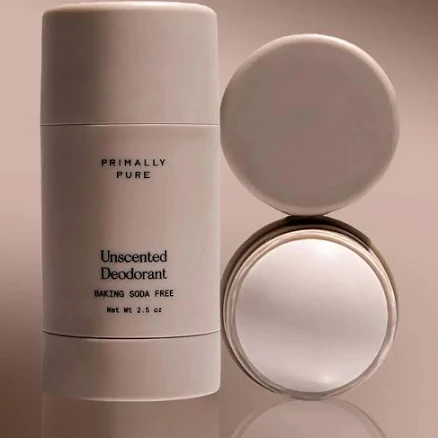
- mineral-based powder blend (arrowroot, magnesium hydroxide, mica)
- We found no PFAS statement from the brand
- Skin irritation from magnesium hydroxide alkalinity
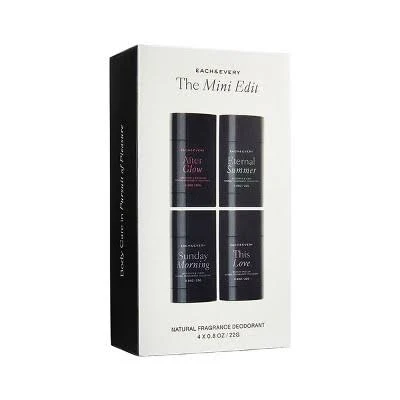
- cosmetic formulations, primary ingredients listed
- A third party reports verifying it as PFAS-free
- Fragrance allergens (natural essential oils)
2 hazards checked on this product, all on its full breakdown.
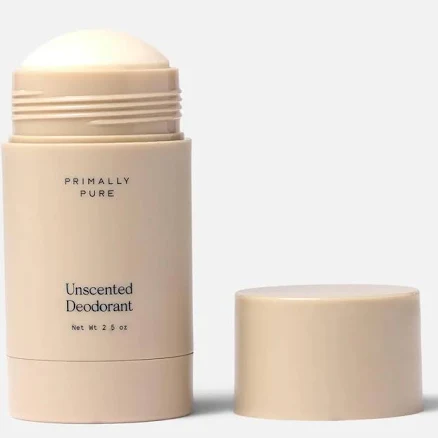
- natural mineral powders, plant-based actives, beeswax
- We found no PFAS statement from the brand
- Beeswax purity and contamination
2 hazards checked on this product, all on its full breakdown.
More deodorant grades
How we score, every product runs through the same public 0-100 rubric based on materials, coatings, brand disclosure, lab findings, and recalls. See the full methodology → Spotted a mistake? Report an error.