By PFAS Authority · Updated October 10, 2026
Top grades to buy
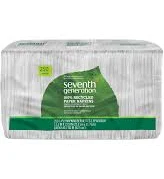
Seventh Generation
100% Recycled Paper Napkins
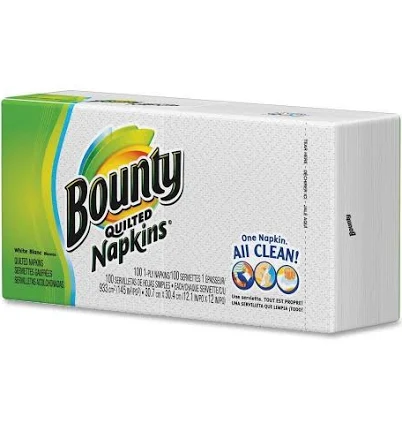
Bounty
Quilted Napkins, 1-Ply, White, 100 Count
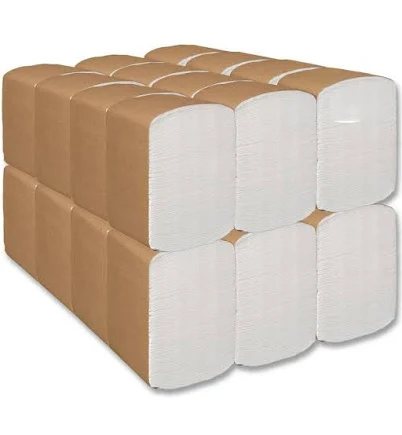
Scott
Full-Fold Dispenser Napkins 1-Ply
Model-based grades, not lab tests. We flunk more than we pass. How grading works
PFAS in Paper Napkins, and Why Bounty Sits at Both Ends
Paper napkins and paper towels are one of the trickiest PFAS categories to shop for because the same brand, and sometimes the same product line, can test differently depending on which roll, which batch, and which lab did the testing. Based on available materials and data, the lower-concern choice in this category is not a specific Bounty variant but plain, uncoated, undyed napkins that make no "grease-resistant" or "stain-proof" marketing claims, paired with a cloth napkin rotation for anything greasy. Bounty, the market's best-known paper towel and napkin brand, has shown up on both ends of independent testing round-ups, some rolls and print patterns have come back with no detectable organic fluorine, while others from the same broader product family have triggered flags. That inconsistency, not a single damning result, is the real story here.
This guide treats Bounty as a case study in why brand name alone cannot tell you a napkin's PFAS status. We will walk through what is publicly known, what Procter & Gamble has and has not claimed, and what to actually look for on a label. Because our database does not currently carry lab-verified PFAS grades for individual napkin or paper towel SKUs, the comparison table below reflects publicly reported testing patterns and labeling red flags rather than the kind of 0 to 100 model-based scores we assign to graded products elsewhere on this site. For a live, continuously updated leaderboard of graded napkin and paper towel products, see our Paper Napkins and Paper Towels category page, and use the PFAS Finder to check specific items as they get added.
Summary comparison
| Product or line | PFAS signal (public reports) | Verdict |
|---|---|---|
| Bounty Select-A-Size, standard prints | Mixed, some tested rolls showed no detectable organic fluorine, others showed trace levels | Inconsistent, treat with caution, rotate out for direct food contact |
| Bounty heavy-duty or "with Dawn" quilted lines | Higher detection frequency in independent round-ups, consistent with denser multi-ply construction | Avoid for greasy food wrapping, better suited to spills and cleaning |
| Store-brand napkins with recycled fiber content | Frequently flagged, likely from contaminated recycled pulp rather than intentional treatment | Avoid, especially when labeled "grease-proof" or "food-safe barrier" |
| Plain uncoated, undyed white napkins, no grease-resistant claim | No consistent PFAS signal reported in reviewed sources | Lower concern, our interim recommendation for everyday use |
| Cloth napkins (cotton, linen) | Not applicable, no fluorochemical coating by design | Lower concern default alternative for greasy or hot foods |
None of the rows above carry a numeric safety score because these specific napkin SKUs are not yet in our graded product database. The scores you will see elsewhere on PFAS Authority, including the 100/100 "Excellent" ratings for items like the Santevia Glass Water System or the MADE IN 10" Stainless Clad Frying Pan, are model-based estimates built from materials disclosure and public data, not lab certainty, and they should be read the same way, as a strong signal, not a guarantee.
What is actually going on with paper napkins and PFAS
Grease resistance in disposable paper products has historically relied on fluorochemical coatings, the same chemical family behind PFAS concerns in fast food wrappers and pizza boxes. These coatings let paper hold up against oil and moisture without turning translucent or falling apart. Napkins and paper towels do not always need this treatment the way a pizza box or a burger wrapper does, but manufacturers sometimes apply similar wet-strength or repellency chemistry to make a product feel more "premium," more absorbent, or more durable when wet.
The complication is that PFAS can also enter a paper product unintentionally, through recycled pulp that was itself contaminated upstream, through shared manufacturing equipment, or through migration from packaging. That is a meaningfully different story from a brand deliberately formulating with PFAS, and it is part of why testing results on items like Bounty can look inconsistent from one round to the next. Based on available materials and data, we cannot distinguish with certainty which mechanism explains any single positive test result without seeing the underlying lab methodology, and association between a detected chemical and any health outcome is not the same as proof of causation.
Bounty, materials and brand claims
Bounty paper towels and napkins are manufactured by Procter & Gamble from a blend of virgin and recycled wood pulp, formed into multi-ply sheets with embossing patterns designed to boost absorbency and tensile strength. Procter & Gamble has publicly stated that it does not intentionally add PFAS to its paper towel products, a brand-stated claim that is distinct from an independent, third-party laboratory confirmation across every product line, print pattern, and manufacturing facility. We have not seen a comprehensive, line-by-line third-party certification in the sources reviewed for this guide, which is precisely why the same brand can appear in both "cleared" and "flagged" buckets across different consumer testing projects.
Honest pros of Bounty-style quilted paper towels and napkins include genuinely strong absorbency, wide retail availability, and a familiar, trusted brand that most households already stock. Honest cons include the batch-to-batch uncertainty described above, a thicker multi-ply construction that may be more likely to carry a repellency finish, and a lack of a clear, consistent, independently verified PFAS-free claim printed on packaging that would let a shopper make a confident call at the shelf.
Why the inconsistency happens
Large consumer paper brands run multiple manufacturing lines, source pulp from multiple suppliers, and periodically reformulate print patterns and ply counts without necessarily changing the product name on the shelf. A roll purchased in one region or quarter is not guaranteed to be chemically identical to a roll purchased elsewhere or earlier. Independent testing projects, including the kind of organic fluorine screening used by consumer advocacy outlets, typically test a handful of samples at a point in time rather than every roll coming off every line. That means a "clean" result and a "flagged" result for the same named product can both be accurate, just for different physical samples. This is the practical reality behind the idea that Bounty "sits at both ends", it is less a single verdict and more a probability distribution that shoppers cannot fully see from the package alone.
What to avoid
- Napkins or paper towels marketed with language like "grease-resistant," "stain-proof," "repels liquids," or "food-safe barrier," which often signal an added fluorochemical or silicone-based repellency treatment.
- Heavily embossed, multi-ply "shop towel" style products positioned for garage or workshop use, then repurposed in the kitchen for wrapping greasy food.
- Recycled-content napkins with no disclosure about pulp sourcing, since contaminated recycled fiber is a known, if unintentional, PFAS entry point.
- Any paper product used to directly wrap hot, greasy food for storage or reheating, regardless of brand, since heat and fat both increase the odds of any coating migrating into food. This is an association worth avoiding on a precautionary basis, not a proven causal health claim.
- Assuming a single favorable lab result from one tester means every roll of that product, forever, will test the same way.
Lower-concern alternatives and how to build a cleaner kitchen routine
Because individual napkin SKUs are hard to verify consistently, the more reliable strategy is to reduce how much weight any single paper product carries in your overall PFAS exposure. A few practical swaps, all backed by graded products in our database, based on available materials and data rather than lab certainty for each specific unit.
Swap grease-prone nonstick cookware for the MADE IN 10" Stainless Clad Frying Pan, graded Excellent (100/100 safety) in our model, so you need fewer paper towels to blot excess nonstick coating residue in the first place. Pair that with a look at our cast iron skillets roundup if you want a second lower-concern cooking surface option that does not rely on fluoropolymer coatings at all.
Store leftovers and pack lunches in solid containers instead of paper towel-wrapped bundles. The Klean Kanteen Double Wall Vacuum Insulated Stainless Steel Food Canister, graded Excellent (100/100 safety), is a solid example, and our lunch boxes category page has more options if you want to compare across brands.
Since drinking water is generally considered a larger and more consistent PFAS exposure pathway than an occasional napkin, it is worth prioritizing verified filtration. Several pitcher and bottle systems in our database carry the top Excellent grade, including the LifeStraw Home Award-Winning Glass Water Filter Pitcher, the Santevia Glass Water System, and the Clearly Filtered 40oz Insulated Stainless Steel Filtered Water Bottle. None of these grades are lab certainty for your specific tap water or unit, they are model-based estimates from materials and public disclosure, but they represent a more controllable, more frequently verified exposure point than a napkin roll that may vary batch to batch.
If you are also reassessing other everyday categories while you are at it, our cosmetics and period care roundups cover similarly scrutinized product groups, and items like the bareMinerals Prime Time Original Foundation Primer and the RubyLove First Period Kit Teen Period Underwear, both graded Excellent (100/100 safety) in our model, show that high grades do exist outside the kitchen as well.
Our pick
For paper napkins specifically, our pick is not a branded product at all. Based on available materials and data, the lower-concern approach is to choose plain, undyed, uncoated napkins with no grease-resistant or stain-proof marketing claim printed on the package, and to default to cloth napkins for anything genuinely greasy, like fried food or pizza. We cannot tell you with lab certainty that any specific Bounty roll on a store shelf today will or will not contain detectable PFAS, and neither can most retailers, because the public testing record shows real variability across batches and print lines. Treat brand-stated "no intentionally added PFAS" claims as a meaningful but partial signal, not an independently verified guarantee, and check our Paper Napkins and Paper Towels page periodically, since it will reflect newly graded SKUs as our testing and data review expands into this category.
In the meantime, the highest-leverage move is usually not agonizing over a single napkin brand, it is tightening up the handful of kitchen and drinking-water products you touch daily, where verified, graded, Excellent-rated options like the ones linked above already exist.
Frequently asked questions
Is Bounty paper towels or napkins PFAS-free
Procter & Gamble has stated that it does not intentionally add PFAS to its paper towel products, which is a brand-stated claim rather than an independently verified, lab-confirmed guarantee across every line and batch. Independent testing round-ups reviewed for this guide have produced mixed results, with some samples showing no detectable organic fluorine and others showing trace levels, so based on available materials and data we cannot confirm the product line is free of PFAS in every instance.
Why would the same brand test differently in different reports
Large manufacturers run multiple production lines, source pulp from multiple suppliers, and periodically adjust formulations or print patterns without renaming the product. Independent testers typically sample a limited number of rolls at a given point in time, so a favorable result and an unfavorable result can both be accurate descriptions of different physical samples from the same named product, not necessarily a contradiction.
What should I look for on a napkin or paper towel label to lower my risk
Avoid marketing language like "grease-resistant," "stain-proof," or "repels liquids," which often indicates an added repellency treatment, and be cautious with recycled-content products that do not disclose pulp sourcing. Plain, uncoated, undyed napkins with no such claims, along with cloth napkins for greasy foods, represent the lower-concern choice based on available materials and data, though this is a reasoned precaution rather than a lab-certified guarantee for any specific product.
Now check your own stuff
See every product we’ve graded in this category, best-graded first.
Get the graded list, free.
The products we score each week, and the best-graded alternative in every category.
No spam. Unsubscribe anytime.