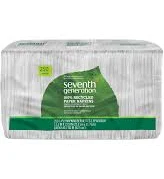
Seventh Generation · Paper Napkins & Paper Towels
100% Recycled Paper Napkins
Lower-concern choice. Recycled paper napkins typically avoid PFAS treatment.
Seventh Generation recycled napkins are made from paper without Teflon-family coating coatings or water or grease-resistant treatments. No brand PFAS-free claim is made.
We flunk more products than we pass. This one earned its grade. How we grade
Material
100% recycled paper
Lab data
No public lab test
You may also be interested in
Top-graded picks in the categories readers replace first, every one scored on the same rubric.

- polypropylene filter housing, carbon/sediment cartridge
- We found no PFAS statement from the brand
- Bacterial growth in spent cartridges
3 hazards checked on this product, all on its full breakdown.

Aquasure
Premier Series 75 GPD Under Sink Reverse Osmosis Water Filtration System
- RO membrane, carbon filters, stainless steel housing
- We found no PFAS statement from the brand
- Bacterial and microbial growth in housing and filters
4 hazards checked on this product, all on its full breakdown.

Avocado
Vegan Mattress
- organic cotton, natural latex, coconut coir, recycled steel coils
- The brand calls it PFAS-free, which we have not verified
- Heavy metals
2 hazards checked on this product, all on its full breakdown.
What 100% Recycled Paper Napkins is made of, ingredients and materials
Seventh Generation's recycled paper napkins are made from post-consumer waste paper fibers, avoiding virgin pulp and its associated bleaching intensity. Recycled paper undergoes de-inking and repulping, which removes most inks and contaminants but does not inherently eliminate all trace metals or inks from prior use. The material is not treated with wet-strength resins (which can contain formaldehyde releasers in some brands), though Seventh Generation does not publicly detail their specific de-inking chemistry or any optional coatings.
What’s concerning
Category baseline
The starting point for this type of product, before anything specific to this product is counted.
No PFAS disclosure
No public statement from the brand about PFAS in this product.
Trace metals and contaminants from recycled feedstock
Recycled paper inherently carries risk of trace lead, cadmium, or other metals from prior product use or inks, though modern de-inking processes remove most. Seventh Generation does not publicly disclose heavy metal testing results for this product line.
Microbial growth (mold, mildew) in storage
Unbleached and recycled papers are more prone to microbial colonization in damp storage conditions due to lack of antimicrobial treatment. This is a storage hazard, not a manufacturing one; proper ventilation and dry conditions eliminate risk.
What’s reassuring
Base material not linked to PFAS
The main material recorded for this product is not one associated with PFAS.
Formaldehyde / VOCs
Paper napkins sometimes use wet-strength agents (e.g., urea-formaldehyde) to improve durability when damp. No evidence or disclosure suggests Seventh Generation uses these in their recycled napkin line, and eco-certifications (Green Seal, Cradle to Cradle) on related products would exclude such resins.
Source, ATSDR ↗Chlorine-based bleach residues or dioxins
Recycled paper avoids primary chlorine bleaching; residues from prior bleaching steps are removed during de-inking. Risk is lower than virgin-pulp napkins, and no reports exist of dioxin contamination in Seventh Generation products.
Fragrance or odor chemicals
Seventh Generation does not add fragrances or strong odor compounds to this napkin line. No perfumes, essential oils, or synthetic odor maskers are listed in brand literature.
How is this PFAS grade calculated?
The brand's record and disclosure
Seventh Generation is owned by Unilever and has a documented history of ingredient transparency and third-party certifications (Cradle to Cradle, Green Seal for some products). The brand does not explicitly claim PFAS-free status on this product, and no recalls or contamination incidents involving their paper napkins are on public record. Their parent company has faced criticism over PFAS use in other product lines, but Seventh Generation-branded napkins have not been cited as a source of concern.
How it compares in its category
Recycled paper napkins avoid the chlorine-intensive bleaching and virgin-pulp sourcing of most conventional brands, reducing environmental impact and some chemical processing steps. Compared to bleached virgin-paper napkins, recycled versions carry slightly lower risk of residual bleach byproducts (dioxins, chlorine compounds), though trade-offs include potential trace ink residues. Seventh Generation's recycled napkins are priced higher than most commodity brands but competitive with other eco-certified alternatives like Who Gives A Crap or store-label green lines.
If you buy it
Use napkins as intended, brief contact with food and skin. There is no evidence these napkins leach chemicals into dry foods or normal handling. If using for hot or greasy foods, napkins perform adequately; no heat-induced breakdown is a concern at typical kitchen temperatures. Store in a cool, dry place to prevent mold growth (a common issue with unbleached/recycled papers in humid conditions), and replace once dampness or odor appears. No special disposal precautions needed beyond standard compost or trash.
What is not known about PFAS in this product?
- Basis
- Model estimate, 82% confidence, not a lab result
- Lab test
- None on record for this exact product
- Brand statement
- Seventh Generation has made a specific claim
Formulations change between production runs, so check the current label. How we grade.
More paper napkins & paper towels grades
How we score, every product runs through the same public 0-100 rubric based on materials, coatings, brand disclosure, lab findings, and recalls. See the full methodology → Spotted a mistake? Report an error.