Scott · Paper Napkins & Paper Towels
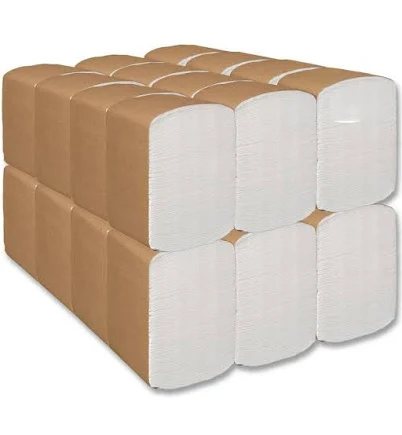
Scott Full-Fold Dispenser Napkins 1-Ply
Lower PFAS concern. Unbleached or FSC options preferred if available.
Scott Full-Fold napkins are plain wood-pulp paper with no waterproofing or grease-resistant treatment. Single-use paper is not a typical PFAS vector unless specially treated.
We flunk more products than we pass. This one earned its grade. How we grade
Material
Virgin wood pulp, 1-ply paper
Brand disclosure
Brand is silent on PFAS
Lab data
No public lab test
You may also be interested in
Top-graded picks in the categories readers replace first, every one scored on the same rubric.

- polypropylene filter housing, carbon/sediment cartridge
- We found no PFAS statement from the brand
- Bacterial growth in spent cartridges
3 hazards checked on this product, all on its full breakdown.

Aquasure
Premier Series 75 GPD Under Sink Reverse Osmosis Water Filtration System
- RO membrane, carbon filters, stainless steel housing
- We found no PFAS statement from the brand
- Bacterial and microbial growth in housing and filters
4 hazards checked on this product, all on its full breakdown.

Avocado
Vegan Mattress
- organic cotton, natural latex, coconut coir, recycled steel coils
- The brand calls it PFAS-free, which we have not verified
- Heavy metals
2 hazards checked on this product, all on its full breakdown.
What Scott Full-Fold Dispenser Napkins 1-Ply is made of, ingredients and materials
Scott Full-Fold napkins are 1-ply virgin wood pulp paper, meaning they are made from freshly harvested fibers rather than recycled content. Single-ply construction minimizes material density and chemical treatment requirements compared to multi-ply alternatives. Virgin pulp requires bleaching to achieve whiteness, typically using chlorine dioxide or hydrogen peroxide, but residual chemicals are minimal in the finished product due to rinsing during pulping. For a single-use, food-contact napkin intended for immediate disposal, the material profile is straightforward and low-risk.
What’s concerning
Category baseline
The starting point for this type of product, before anything specific to this product is counted.
No PFAS disclosure
No public statement from the brand about PFAS in this product.
Bleach residues and chlorinated byproducts
Virgin pulp napkins are almost always bleached using chlorine dioxide or hydrogen peroxide. Trace residual chlorine compounds can persist in the final product, though regulatory limits and pulping rinses typically reduce this to negligible food-contact exposure. Scott does not disclose its specific bleaching chemistry.
Formaldehyde / VOCs
1-ply napkins sometimes incorporate small amounts of formaldehyde-based wet-strength resins to improve durability during use. Scott does not publicly disclose the use or concentration of these additives. Migration into food is expected to be very low due to brief contact and immediate disposal, but sensitivity in vulnerable populations is plausible.
Source, ATSDR ↗What’s reassuring
Base material not linked to PFAS
The main material recorded for this product is not one associated with PFAS.
Dioxin and other persistent organic pollutants (POPs) from bleaching
Modern bleaching practices (post-1990s) in North America have largely eliminated dioxin formation in tissue products. No recalls or detectable dioxin findings in Scott napkins or comparable mass-market virgin pulp napkins are on record. This hazard is historical rather than current.
Contaminants from recycled fiber (not applicable here)
Scott Full-Fold is made from virgin pulp, not recycled fiber, so the hazard of ink, coating, or legacy chemical carryover from previous products does not apply.
Microbial or mold growth during storage or use
Paper napkins are dry, disposable products with no prolonged contact or moisture retention. Mold risk is confined to storage conditions (humidity, temperature) and is not a product design or material hazard. Normal household storage poses no concern.
How is this PFAS grade calculated?
The brand's record and disclosure
Scott (owned by Kimberly-Clark) does not publicly disclose detailed chemical composition or manufacturing certifications for this specific napkin line. The brand maintains no published PFAS policy for napkins and does not pursue third-party certifications like FSC or chlorine-free (TCF) labeling for Full-Fold products. Kimberly-Clark has faced scrutiny over PFAS use in some personal-care and tissue products, though no specific recalls or violations are on record for Scott napkins. Lack of transparency on bleaching methods and chemical inputs is the primary governance gap.
How it compares in its category
Scott Full-Fold napkins are a mainstream, budget-tier product with minimal differentiation on safety metrics. Competing products from Bounty, Brawny, and store brands have similar pulp-based chemistry and bleaching profiles. Some alternatives (Seventh Generation, If You Care) carry FSC or TCF certifications and publish PFAS testing; these represent a precautionary step up if PFAS avoidance is a priority. For cost-conscious consumers indifferent to environmental certifications, Scott's risk profile is typical for the category, not elevated.
If you buy it
No special handling is required for napkins intended for single use and immediate disposal. Store in a cool, dry place away from direct heat or moisture to prevent mold or degradation. There is no reusable or maintenance aspect; simply use and discard. If PFAS minimization is important to your household, consider requesting PFAS test data from Scott or switching to a certified alternative, but this product does not present acute safety risks during normal use.
What is not known about PFAS in this product?
- Basis
- Model estimate, 78% confidence, not a lab result
- Lab test
- None on record for this exact product
- Brand statement
- Scott has made none
Formulations change between production runs, so check the current label. How we grade.
More paper napkins & paper towels grades
How we score, every product runs through the same public 0-100 rubric based on materials, coatings, brand disclosure, lab findings, and recalls. See the full methodology → Spotted a mistake? Report an error.