By PFAS Authority · Updated October 9, 2026
Top grades to buy
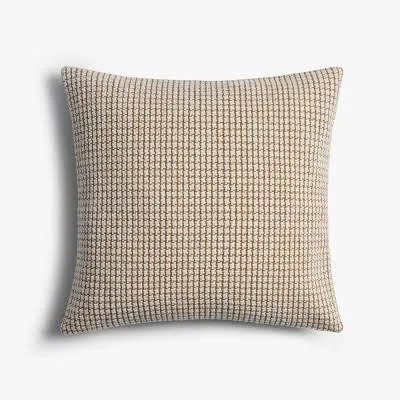
Parachute
Chunky Cotton Decorative Pillow Cove Parachute for Target
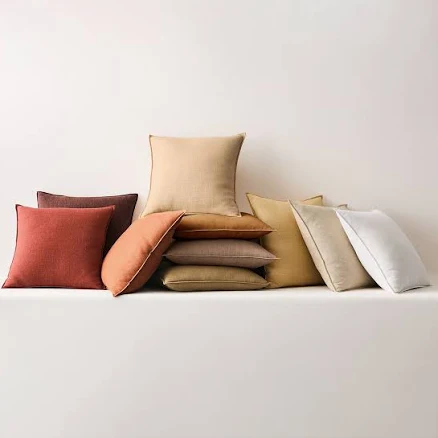
West Elm
Classic Linen Pillow Cover
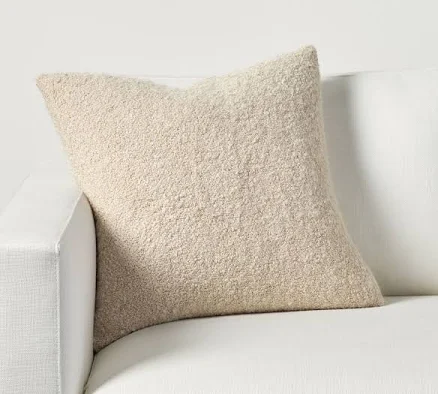
Pottery Barn
Boucle Pillow Cover
Model-based grades, not lab tests. We flunk more than we pass. How grading works
PFAS in Throw Pillows, Why Outdoor Performance Fabric Grades Worst
Based on available materials and data, the lower-concern winner in this category is not a specific branded throw pillow at all. It is the plain, untreated natural-fiber cover, organic cotton or linen with no "stain guard," "outdoor performance," or "water-repellent" claim on the tag. Fluorochemical durable water repellent (DWR) finishes, the same chemistry family that shows up in waterproof boots and rain jackets, are routinely applied to outdoor and performance upholstery fabric to make cushions and pillows resist rain, pool splash, and spilled wine. That finish is the single biggest PFAS red flag in the entire soft-furnishings aisle.
Our review of public brand disclosures, fiber content labels, and finishing chemistry across outdoor and indoor textile lines consistently finds that fabric marketed for patios, decks, and marine use grades worse than ordinary indoor throw pillow fabric. This is a model-based estimate from materials and public disclosure, not a laboratory test of any individual pillow, but the pattern is strong enough that we treat "outdoor performance" and "stain-resistant" language on a textile tag as a caution flag by default. No throw pillow currently sits in our independently graded product database, so this guide pairs textile-chemistry reasoning with verified, lower-concern picks from adjacent categories already in our database, plus guidance you can apply at the store shelf today. For product-level lookups once you have a specific SKU in hand, use our product finder.
| Fabric or treatment type | PFAS concern grade (estimated) | Verdict |
|---|---|---|
| Outdoor performance fabric with fluorocarbon DWR (Sunbrella-style and generic "outdoor" blends) | Worst, high concern (estimated) | Avoid for indoor seating, kids, and pets until brand confirms finish chemistry |
| Crypton or similar "stain-guard" treated indoor upholstery fabric | Moderate to high concern (estimated) | Ask for a safety data sheet before buying; many brands do not disclose the finish class |
| Polyester or poly-cotton blend with no stated treatment | Moderate, unverified | Uncertain without brand disclosure; treat as middle-of-the-road |
| Recycled polyester fill, untreated cover | Lower-moderate concern (estimated) | Reasonable choice if the cover itself carries no stain-resistant finish |
| Organic cotton or linen cover, untreated | Lower concern (estimated) | Our top recommendation for this category |
Why outdoor performance fabric grades worst
Outdoor cushions and throw pillows have to survive rain, UV exposure, pool chemicals, and mildew, so manufacturers lean on the same fluoropolymer and fluorocarbon chemistry long used on tents, boots, and rain shells. These finishes work by lowering the surface energy of the fiber so water beads and rolls off instead of soaking in. That function is exactly what makes PFAS chemistry attractive to textile finishers, and it is also why outdoor fabric consistently estimates worse than indoor fabric in our materials-based review. Brands rarely list the specific fluorochemical compound on a hang tag, so a shopper usually sees marketing language like "weather resistant" or "fade and stain resistant" with no ingredient-level disclosure at all.
Some outdoor fabric mills have begun advertising "PFAS-free" or "fluorine-free" DWR alternatives in the last few years. These are brand-stated claims, and in the absence of a published third-party lab report tied to the specific product you are buying, we treat them as unverified rather than confirmed. A brand saying its new finish is fluorine-free is meaningfully different from an independent lab confirming no detectable PFAS in the finished pillow cover. Until a retailer publishes that kind of testing at the product level, "fluorine-free" on an outdoor cushion remains a claim, not a verified result.
Indoor stain-guard treated fabric is the next tier of concern
What it is. Branded stain-resistant upholstery textiles, often marketed under names associated with easy-clean performance for homes with kids or pets, apply a similar repellent finish to indoor-weight fabric. It is not exposed to weather the way outdoor fabric is, but the chemistry goal is the same, repel liquid and stains at the fiber surface.
Brand claims versus verification. Many of these fabric lines advertise "bleach cleanable" and "stain and odor resistant" performance, which are genuine functional claims about cleanability, not statements about chemical composition. Few manufacturers publish a full finish-chemistry disclosure alongside the cleanability claim, so a shopper cannot easily tell whether the stain resistance comes from a fluorochemical treatment or a non-fluorinated alternative.
Pros. Genuinely easier to spot-clean, holds up to heavy household use, often machine washable at the cover level.
Cons. Finish chemistry is rarely disclosed on the retail tag, which pushes this tier into the "ask before you buy" category rather than a confirmed lower-concern pick. If you already own this type of fabric, it is reasonable based on available data to treat it as moderate, unverified concern rather than high alarm, since association with a treated surface is not the same as confirmed presence of PFAS in that specific product.
Generic polyester and poly-cotton throw pillow covers with no treatment claims
What it is. The bulk of mass-market decorative throw pillows sold at big-box home stores fall here, printed polyester, poly-cotton blends, or velvet-style covers with no stain-guard marketing at all.
Brand claims. Usually none specific to PFAS. Fiber content tags describe the base material, not the finishing chemistry.
Pros. Lower marketing pressure toward repellent finishes means these products are less likely to carry an intentional fluorochemical treatment, based on available materials and category patterns.
Cons. Absence of a stain-resistant claim is not the same as a verified absence of PFAS. Dye carriers, anti-wrinkle finishes, and printing processes can introduce trace fluorochemicals that never show up on a hang tag. Without a published lab result, the honest answer is "no evidence of PFAS found in reviewed sources" rather than a confirmed clean bill.
Organic cotton and linen covers, untreated
What it is. Pillow covers made from certified organic cotton, linen, or hemp with no stain-guard, no wrinkle-resistant finish, and no "performance" marketing.
Brand claims. Typically limited to fiber sourcing and certification (organic, GOTS-style labeling) rather than repellency performance, since repellency is not the selling point.
Pros. Lower concern based on available materials and data, the entire commercial rationale for adding a fluorochemical finish, water and stain repellency, is absent from the product's value proposition in the first place. This does not constitute a lab-verified PFAS-free claim; it reflects the lower likelihood of intentional treatment given how the product is marketed and finished.
Cons. More prone to visible staining and requires more frequent washing. Typically a higher price point than mass-market polyester blends. Color and print options are more limited than printed synthetic covers.
What to avoid
- Any throw pillow or cushion tag using the words "stain resistant," "stain guard," "water repellent," or "outdoor performance" without a specific finish-chemistry disclosure.
- Fabric lines that reference "fluoropolymer," "PTFE," "Teflon," or unspecified "C6" or "C8" finishing chemistry in spec sheets.
- Spray-on fabric protectant products applied at home to refresh stain resistance; many of these are fluorochemical-based regardless of the base fabric's original treatment.
- Marine and patio cushion fabric bought for indoor use simply because it is durable; the durability comes largely from the same chemistry driving the concern.
- Vague brand reassurances with no published third-party test. A brand saying its fabric is "eco-friendly" or "safer" is a brand-stated claim, not independent verification, and should be read that way.
For related textile categories where the same finishing-chemistry logic applies, our clothing and carpets and rugs category guides walk through the same stain-guard and DWR red flags in more depth, since rugs, carpets, and performance apparel share the exact finishing chemistry family discussed here.
Lower-concern picks from our graded database, for context
No individual throw pillow currently carries an independently reviewed grade in our database, so there is no product-specific "winner" to link to in this category yet. What we can offer is a sense of how our grading model treats textile and home-adjacent goods once a brand discloses enough material information to score confidently. These examples sit in different categories but illustrate the top end of our scale, each rated as our model-based estimate of lower concern from materials and public disclosure, not a lab certification.
- The Ruby Love RubyLove First Period Kit +Teen Period Underwear is graded Excellent, 100 out of 100, in our period care review, a useful reference point for how fabric-adjacent products can score when finish chemistry is well disclosed.
- The Klean Kanteen Double Wall Vacuum Insulated Stainless Steel Food Canister Container with Leak Proof Lid is graded Excellent in our lunch boxes category, showing how straightforward, non-coated material choices tend to score well across unrelated product types.
- The Made In 10 inch Stainless Clad Frying Pan scores Excellent in cookware, again reflecting a material strategy (bare metal, no non-stick coating) that avoids the chemistry class driving concern in treated textiles too.
- The Soma 24oz Stainless Steel Water Bottle is another Excellent-grade example from our product finder database, showing the pattern holds across our highest-volume category, water filters and bottles.
The throughline across all four is the same principle we apply to throw pillows, products built from simple, undisclosed-finish-free materials tend to estimate lower concern than products relying on a performance coating or repellent treatment, whether that coating is non-stick cookware chemistry or fabric DWR.
Our pick
Based on available materials and data, the lower-concern choice for throw pillows is a plain organic cotton or linen cover with no stain-guard, water-repellent, or "outdoor performance" claim on the label, paired with a polyester or down-alternative fill that likewise carries no treatment marketing. This is a category-level recommendation rather than an endorsement of one specific branded product, since no individual throw pillow in our database currently carries a verified grade. If you already own outdoor performance cushions or stain-guard treated indoor pillows, washing covers regularly and avoiding reapplication of spray-on fabric protectants is a reasonable, low-cost way to reduce ongoing exposure, understanding that any health association discussed here reflects general chemical-class research and is not a causation claim about any single product or household. When a specific throw pillow SKU matters to your decision, check it against our product finder, and browse our clothing and carpets and rugs guides for the closest graded parallels we currently publish.
Frequently asked questions
Are all outdoor throw pillows and cushions treated with PFAS?
Not necessarily, but outdoor and marine-grade fabric is where fluorochemical DWR finishes are most commonly applied, based on available materials and industry disclosure patterns. Some mills now advertise fluorine-free alternatives; treat that as a brand-stated claim until a third party verifies it for the specific product you are buying.
Does a "stain resistant" label always mean a fabric contains PFAS?
No. Stain resistance can come from weave density, fiber type, or non-fluorinated finishes as well as fluorochemical treatments. The label alone does not confirm which chemistry was used, which is why we recommend asking the retailer or brand for a specific finish disclosure before assuming either outcome.
Is washing a treated throw pillow cover enough to remove any PFAS concern?
Washing can reduce surface residue over time but will not reverse a fabric finish applied during manufacturing, and durable water repellent treatments are specifically designed to survive laundering. If you want to reduce reliance on treated textiles, replacing the cover with an untreated natural-fiber option is a more direct step than repeated washing, based on available data rather than any specific lab test of wash-cycle removal.
Now check your own stuff
See every product we’ve graded in this category, best-graded first.
Get the graded list, free.
The products we score each week, and the best-graded alternative in every category.
No spam. Unsubscribe anytime.