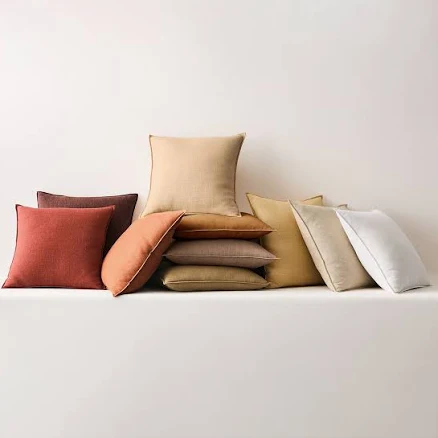
West Elm Classic Linen Pillow Cover
Minimal PFAS concern; plain linen has low risk, but West Elm's water-repellent coating practices on other textiles warrant caution.
West Elm's 100% linen cover has no disclosed water-repellent or stain-resistant finish. Plain linen presents low chemical risk, though West Elm's finishing practices remain undisclosed.
We flunk more products than we pass. This one earned its grade. How we grade
Material
100% linen with no stated finish or treatment
Lab data
No public lab test
You may also be interested in
Top-graded picks in the categories readers replace first, every one scored on the same rubric.

- polypropylene filter housing, carbon/sediment cartridge
- We found no PFAS statement from the brand
- Bacterial growth in spent cartridges
3 hazards checked on this product, all on its full breakdown.

Aquasure
Premier Series 75 GPD Under Sink Reverse Osmosis Water Filtration System
- RO membrane, carbon filters, stainless steel housing
- We found no PFAS statement from the brand
- Bacterial and microbial growth in housing and filters
4 hazards checked on this product, all on its full breakdown.

Avocado
Vegan Mattress
- organic cotton, natural latex, coconut coir, recycled steel coils
- The brand calls it PFAS-free, which we have not verified
- Heavy metals
2 hazards checked on this product, all on its full breakdown.
What West Elm Classic Linen Pillow Cover is made of, ingredients and materials
Linen is a plant-based cellulosic fiber made from flax stalks and is inherently low in chemical processing compared to synthetic textiles. The stated composition is 100% linen with no finishing treatments disclosed, which means no synthetic dyes, flame retardants, or water-repellent coatings are explicitly mentioned. Linen does not require Teflon-type coating or heavy chemical finishes to perform as a fiber; however, commercial linen often undergoes bleaching and dyeing during production, and West Elm does not disclose whether this pillow cover is bleached, dyed, or treated with residual processing chemicals.
What’s concerning
Category baseline
The starting point for this type of product, before anything specific to this product is counted.
No PFAS disclosure
No public statement from the brand about PFAS in this product.
Residual processing chemicals (bleach, dyes, finishes)
Commercial linen undergoes bleaching and dyeing; West Elm does not disclose whether this cover is bleached, dyed with azo or heavy-metal dyes, or treated with any finish. No testing or complaints are on record for this specific product, but lack of disclosure means residual processing agent exposure cannot be ruled out.
Heavy metals
If the linen is dyed (color not specified in product description but assumed based on typical West Elm offerings), azo dyes and heavy-metal mordants are used in conventional textile dyeing. West Elm does not certify its linen as Oeko-Tex or GOTS, so no third-party testing of colorant safety is available.
Source, FDA ↗What’s reassuring
Base material not linked to PFAS
The main material recorded for this product is not one associated with PFAS.
Formaldehyde / VOCs
Formaldehyde finishes are rare on untreated linen pillow covers and are more common on wrinkle-resistant cotton blends. The stated 100% linen composition with no wrinkle-resistant or antimicrobial claim suggests this hazard is not present, though West Elm's silence prevents full certainty.
Source, ATSDR ↗Flame retardants
Linen is naturally flame-resistant due to its cellulosic structure and does not require added flame retardant chemicals. No indication that this cover has been treated with synthetic flame retardants; this hazard is not expected for a basic decorative pillow cover.
Source, EPA ↗VOC off-gassing
Linen is a natural fiber and does not emit volatile organic compounds as synthetic textiles or treated fabrics do. This hazard is not expected for uncoated linen pillow covers.
How is this PFAS grade calculated?
The brand's record and disclosure
West Elm does not publish detailed chemical disclosures, sustainability certifications, or certifications like GOTS (Global Organic Textile Standard) or Oeko-Tex for most of its textile products. The brand has faced criticism from advocacy groups for lack of transparency on water-repellent coating (water-repellent coating) treatments, particularly on performance textiles and outerwear. For the Classic Linen Pillow Cover, West Elm provides minimal information on whether any finishing chemicals or treatments were applied post-production. This silence does not confirm hazard, but it reflects a broader pattern of limited transparency that makes independent verification difficult.
How it compares in its category
Throw pillow covers in this category typically range from untreated natural fibers to heavily finished synthetic blends or performance fabrics treated with flame retardants and water repellents. A plain linen pillow cover sits on the lower-chemical end of this spectrum compared to polyester-blend covers or those labeled stain-resistant or water-resistant. However, competitors offering GOTS-certified linen or published chemical disclosures (e.g., Parachute, Pottery Barn's certified lines) provide more assurance of minimal processing. West Elm's positioning is mid-market with style-first marketing; chemical safety is not typically a selling point.
If you buy it
Wash the cover in cool water before first use to remove any residual dust or loose dyes from manufacturing. Linen becomes softer and more absorbent with washing, so laundering does not degrade the fiber. Use mild detergent and avoid chlorine bleach, which can weaken cellulosic fibers over time. Store in a dry place; linen does not off-gas significantly, but keeping it away from direct heat and humidity extends lifespan and prevents mold.
What is not known about PFAS in this product?
- Basis
- Model estimate, 82% confidence, not a lab result
- Lab test
- None on record for this exact product
- Brand statement
- West Elm has made a specific claim
Formulations change between production runs, so check the current label. How we grade.
More throw pillows grades
How we score, every product runs through the same public 0-100 rubric based on materials, coatings, brand disclosure, lab findings, and recalls. See the full methodology → Spotted a mistake? Report an error.