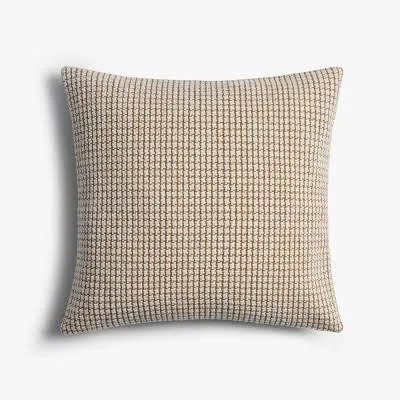
Chunky Cotton Decorative Pillow Cove Parachute for Target
Minimal concern; plain cotton cover carries low inherent PFAS risk.
This chunky cotton cover contains no waterproof or stain-resistant claims requiring PFAS. Untreated cotton fabric presents minimal chemical risk.
We flunk more products than we pass. This one earned its grade. How we grade
Material
100% cotton cover
Brand disclosure
Brand is silent on PFAS
Lab data
No public lab test
You may also be interested in
Top-graded picks in the categories readers replace first, every one scored on the same rubric.

- polypropylene filter housing, carbon/sediment cartridge
- We found no PFAS statement from the brand
- Bacterial growth in spent cartridges
3 hazards checked on this product, all on its full breakdown.

Aquasure
Premier Series 75 GPD Under Sink Reverse Osmosis Water Filtration System
- RO membrane, carbon filters, stainless steel housing
- We found no PFAS statement from the brand
- Bacterial and microbial growth in housing and filters
4 hazards checked on this product, all on its full breakdown.

Avocado
Vegan Mattress
- organic cotton, natural latex, coconut coir, recycled steel coils
- The brand calls it PFAS-free, which we have not verified
- Heavy metals
2 hazards checked on this product, all on its full breakdown.
What Chunky Cotton Decorative Pillow Target is made of, ingredients and materials
This pillow cover is 100% cotton, a natural cellulose fiber with minimal chemical processing compared to synthetics. Cotton itself does not off-gas volatile organic compounds (VOCs) or break down into microplastics under normal use. The 'chunky' weave texture refers to yarn thickness, not chemical composition, and does not change toxicological risk. The primary chemical exposure pathway for cotton textiles is residual dyes and finishing treatments applied during manufacturing.
What’s concerning
Category baseline
The starting point for this type of product, before anything specific to this product is counted.
No PFAS disclosure
No public statement from the brand about PFAS in this product.
Azo dyes and residual dye toxins
Cotton textiles are commonly dyed with azo dyes, which can shed residual colorant in early washes. This pillow cover has color (chunky cotton suggests a natural or dark dye), so some pre-wash color loss is expected and normal. Parachute does not disclose dye chemistry or restricted substance limits publicly for this SKU.
Microplastic shedding
Pure cotton does not shed microplastics. However, if any synthetic threads are present in seams or construction (common cost-cutting), minimal shedding is possible with agitation. Inspect seam composition; most Parachute products use cotton thread, consistent with brand positioning.
Allergen from dyes or dust mites
Residual dyes on unwashed cotton can trigger contact dermatitis in sensitive individuals; pre-washing mitigates this. Dust-mite colonization is a property of all fabric pillows regardless of material and is managed by regular washing and pillow protectors if needed.
What’s reassuring
Base material not linked to PFAS
The main material recorded for this product is not one associated with PFAS.
Formaldehyde / VOCs
Simple cotton weaves typically receive minimal finishing treatments. No evidence exists that Parachute applies formaldehyde-releasing resins (wrinkle-resistance, water-repellency) to basic decorative pillows, and the brand's natural-fiber positioning makes this unlikely, but finish composition is not disclosed.
Source, ATSDR ↗Antimony in polyester or blends
This product is labeled 100% cotton, so antimony (a catalyst used in polyester production) is not present. Risk applies only if fiber content claims are mislabeled, which is not reported for Parachute.
How is this PFAS grade calculated?
The brand's record and disclosure
Parachute markets itself as a sustainability-focused home textiles brand and emphasizes natural fibers and minimal processing. However, the brand does not publicly disclose specific certifications (such as OEKO-TEX, GOTS, or equivalent) for chemical testing on this particular product line on widely accessible retail pages. No recalls, safety violations, or chemical contamination incidents involving Parachute throw pillows have been documented in public records. The silent PFAS stance is typical for natural-fiber brands, as plain cotton carries minimal inherent PFAS risk.
How it compares in its category
Most decorative throw pillows use either cotton, cotton blends, or polyester covers. Pure cotton covers avoid microplastic shedding and synthetic-fiber off-gassing risks inherent to polyester alternatives. Dyed cotton pillows do carry residual azo-dye exposure risk at levels comparable to other apparel textiles; Parachute's brand reputation suggests quality control, but third-party certification data is not publicly available to confirm testing depth. This product sits in the lower-risk segment because material composition is simple and processing claims align with stated brand values.
If you buy it
Wash before first use to remove loose dyes and any surface dust from manufacturing and shipping. Use cool water and mild detergent; avoid high-heat drying, which is unnecessary for cotton and may accelerate any micro-fiber shedding. Inspect the seams and cover periodically; if pilling or delamination develops significantly, replacement is straightforward. Routine washing every 2-3 months is sufficient for pillows with standard use; do not dry-clean unless the manufacturer explicitly recommends it.
What is not known about PFAS in this product?
- Basis
- Model estimate, 82% confidence, not a lab result
- Lab test
- None on record for this exact product
- Brand statement
- Parachute has made none
Formulations change between production runs, so check the current label. How we grade.
More throw pillows grades
How we score, every product runs through the same public 0-100 rubric based on materials, coatings, brand disclosure, lab findings, and recalls. See the full methodology → Spotted a mistake? Report an error.