By PFAS Authority · Updated September 1, 2026
Top grades to buy
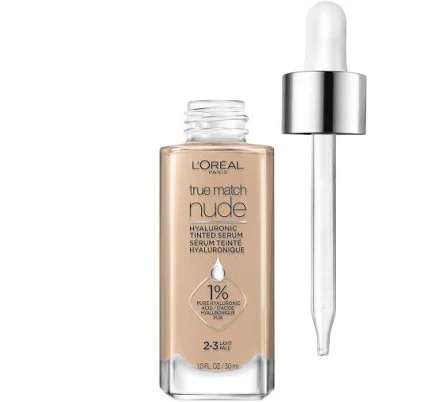
L'Oréal
L'Oreal Paris True Match Hyaluronic Tinted Serum
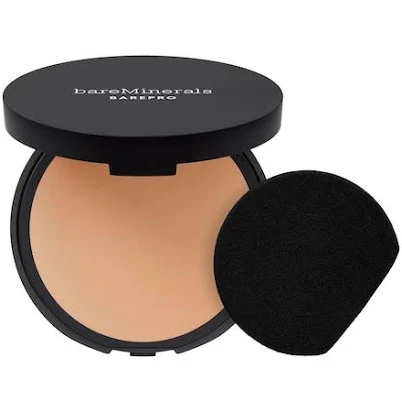
Bare Minerals
bareMinerals Barepro 24HR Skin Perfecting Powder Foundation
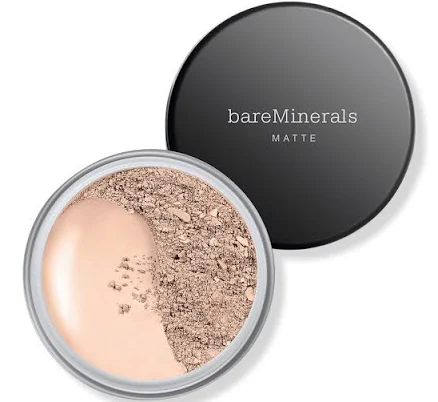
Bare Minerals
Bareminerals Matte Foundation Broad Spectrum Spf15
Model-based grades, not lab tests. We flunk more than we pass. How grading works
PFAS-Free Makeup List, What the Research Actually Shows and How to Shop Smarter
PFAS ("forever chemicals") have been detected in a range of waterproof and long-wear cosmetics, including some mascaras, foundations, and lip products, according to peer-reviewed testing and investigative reporting. This article explains what that research found, which product categories and brands have been named in that testing, how serious the exposure risk appears to be based on available data, and how to use tools like our makeup finder to compare options. We now grade 54 makeup products. 43 grade 75, four grade 65, and seven grade 30 because their records describe a waterproof or long-wear treatment of unstated chemistry, the same pattern the research points to. This piece covers that research and how to use our grades alongside it.
What is the PFAS-in-makeup issue, exactly?
PFAS (per- and polyfluoroalkyl substances) are a family of synthetic chemicals prized for making products water-resistant, smudge-proof, and long-wearing. In cosmetics, that translates to waterproof mascara that survives tears and sweat, foundation that resists transfer, and lip products that stay put through meals. The tradeoff is that PFAS are extremely persistent in the environment and the body, and some individual compounds in the class have been linked in scientific literature to hormone disruption and other health effects. It is important to note that most of this evidence shows association, not proven causation, and effects vary widely by specific compound and exposure level.
Where did this issue come from?
A widely cited 2021 study published in Environmental Science & Technology Letters tested over 200 cosmetic products purchased in the US and Canada using a marker for organic fluorine (an indicator of possible PFAS content). Researchers found indicators of fluorine, and in a subset of products, specific PFAS compounds, concentrated in waterproof mascara, liquid foundation, and long-wear lip products. The study did not test every brand on the market, and it generally reported product categories more than exhaustive brand lists, but subsequent journalism and consumer advocacy reporting named specific product lines in the waterproof mascara and foundation aisles as having tested positive for fluorine markers.
Which brands and products have been named?
Based on available reporting tied to that research and later retail testing by advocacy groups, the categories most frequently flagged include.
- Waterproof and "smudge-proof" mascaras from several mass-market and prestige lines
- Long-wear and "transfer-resistant" liquid foundations
- Long-wear lip liners and liquid lipsticks marketed as "24-hour" or "budge-proof"
- Some pressed powders and concealers with waterproof claims
Because brand formulations change frequently and testing coverage is incomplete, we are not naming specific SKUs here as confirmed PFAS-containing based on our own database, since our grades describe what is disclosed about a product rather than a test result, and a low grade is not a confirmed finding of PFAS. If you want to check a specific product you already own or are considering, our makeup finder and foundation and primer finder tools are built to surface brand-stated ingredient disclosures alongside third-party data where it exists, consistent with our methodology.
Is waterproof mascara the biggest concern?
Of the categories studied, waterproof mascara has shown up most consistently with fluorine indicators in the research referenced above, likely because water resistance is central to the product's function. If you rely on waterproof formulas daily, it is reasonable to check the waterproof mascara category page before repurchasing, and to compare brand-stated PFAS-free claims against any third-party testing disclosed for that product.
How risky is this, honestly?
Based on available materials and data, the honest answer is, uncertain, but not zero. Skin absorption of PFAS from cosmetics is generally considered lower than ingestion exposure from water or food, but lip products and eye-area products involve some ingestion and mucous-membrane contact, which may increase relative exposure compared to, say, a foundation applied to cheeks. Regulatory bodies in the US have not banned PFAS in cosmetics outright, though some states, including California and Colorado, have passed laws restricting intentionally added PFAS in cosmetics starting in the mid-2020s. That regulatory momentum suggests policymakers view the exposure as worth reducing, even though it has not been established as a proven, direct cause of specific health outcomes in humans at typical cosmetic-use levels.
| Product Category | Why PFAS May Be Used | General Exposure Concern Level* |
|---|---|---|
| Waterproof mascara | Water/sweat resistance, smudge-proofing | Moderate, eye-area contact |
| Long-wear liquid foundation | Transfer resistance, film-forming | Low to moderate, skin contact |
| Long-wear lip liner/lipstick | Budge-proof, matte finish | Moderate, ingestion pathway |
| Pressed powder/concealer | Oil control, waterproof claims | Low to moderate |
*Concern level is a general characterization based on published testing patterns and exposure pathway, not a lab-certified risk score for any individual product.
What should shoppers actually do?
Start by reading ingredient lists for terms like "fluoro," "perfluoro," "PTFE," or "C9-15 fluorotelomer," which are common PFAS-related ingredient names in cosmetics. Brand-stated "PFAS-free" claims on packaging are a reasonable starting filter, but they are brand claims, not automatically third-party verified, so treat them as a first screen rather than a guarantee. Where possible, favor brands that publish third-party lab testing or full ingredient transparency reports rather than marketing language alone.
Are there verified lower-concern personal care picks anywhere in our database?
Beyond the 54 makeup products in our makeup roundup, we have reviewed products in adjacent personal-care categories that also involve skin or mucous-membrane contact, which can be a useful proxy for how brands in this space handle disclosure. For example Seventh Generation Tampons grade Excellent (100/100) because a published Mamavation lab test found no PFAS markers, even though Seventh Generation itself says nothing about PFAS. Lola Non-Toxic Applicator Free Tampons, which this guide previously listed at 100, grade Good (70/100), because Lola makes no PFAS statement for its tampons and there is no lab result on record. We corrected that on 17 September 2026. In cookware-adjacent categories where PFAS has been a known issue, the Caraway Ceramic Baking Sheet grades 70 and the GreenPan GreenLife Ceramic Nonstick Bakeware grades 70. Both brands say these products are made without PFAS, which we record as unverified, and the GreenPan record also counts a named non-fluorinated coating. These aren't makeup products, but they show how a lab result or a brand statement moves a grade, and you can browse full comparisons at /finder/bakeware.
What about water filtration as a complementary step?
Since PFAS exposure is cumulative across water, food, and personal care products, some readers choose to reduce total burden by improving drinking water filtration alongside cosmetic choices. Options graded Excellent in our database based on reviewed materials include the LifeStraw Home Glass Water Filter Pitcher and the Berkey Gravity Filter, both evaluated using the same estimation methodology described at /methodology.
Bottom Line
Independent research has found fluorine and, in some cases, specific PFAS compounds in waterproof mascara, long-wear foundation, and long-wear lip products, though not every brand or product line has been tested. Based on available data, the exposure risk from cosmetics appears real but is not established as a proven direct cause of specific health harms at typical use levels, and association should not be read as causation. Until more makeup products are independently lab-tested and added to comparison tools, the most practical steps are reading ingredient lists for fluorinated terms, favoring brands with third-party transparency over marketing claims alone, and checking category pages like /finder/makeup and /finder/waterproof-mascara as they expand. Reducing total PFAS exposure across water, food packaging, and cosmetics together is a more realistic goal than eliminating any single source entirely.
Every grade on this page is a model-based estimate built from disclosed materials and public data, not a laboratory result, and nothing here is being called PFAS-free or safe by us. Every graded product in this category is ranked in our roundup, and you can look up any specific product in our PFAS product finder.
Now check your own stuff
See every product we’ve graded in this category, best-graded first.
Get the graded list, free.
The products we score each week, and the best-graded alternative in every category.
No spam. Unsubscribe anytime.