By PFAS Authority · Updated September 14, 2026
Top grades to buy
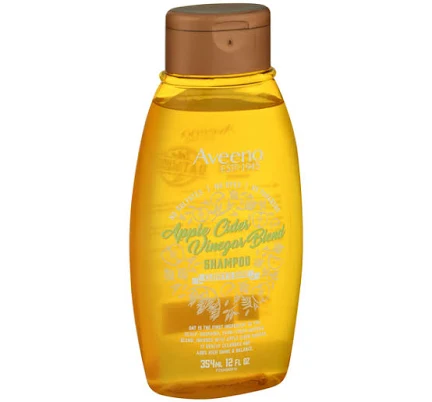
Aveeno
Apple Cider Vinegar Shampoo
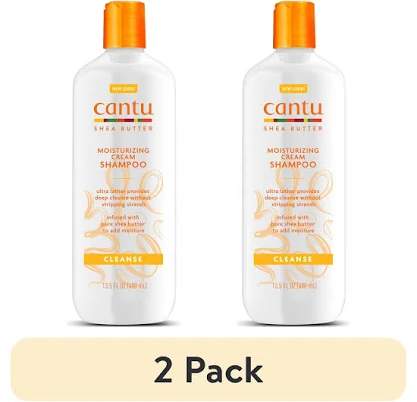
Cantu
Unisex Shea Butter Moisturizing Cream Shampoo
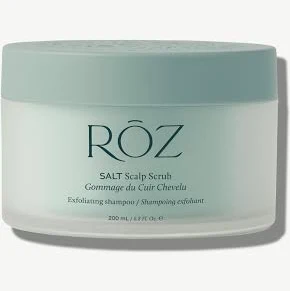
Roz
Salt Scalp Scrub
Model-based grades, not lab tests. We flunk more than we pass. How grading works
What Shampoo Has PFAS?
Some shampoos, particularly conditioning and "anti-frizz" or long-lasting shine formulas, can contain PFAS-related ingredients such as PTFE, perfluorooctane, or various "fluoro" compounds added for slip and water resistance, though the practice is far less documented than in waterproof mascara, dental floss, or food packaging. Based on available materials and data, independent, brand-by-brand lab testing of shampoo specifically is still limited compared to other personal care categories, so the honest answer is that PFAS in shampoo is a plausible but unevenly documented risk rather than a confirmed, industry-wide problem. This article walks through what PFAS are doing in hair care formulas, which ingredient names to watch for, what the real-world testing has and hasn't shown, and what to check before you buy, including our shampoo finder and methodology for how we grade products.
What Exactly Is the PFAS-in-Shampoo Issue?
PFAS, short for per- and polyfluoroalkyl substances, are a family of thousands of synthetic chemicals prized for making things slide, repel water, and resist heat. That's exactly why they show up in raincoats, nonstick pans, and takeout boxes. In personal care products, some of the same chemistry gets used in smaller doses to make a shampoo feel silkier, spread more evenly, or leave hair with a smoother, more "polished" finish after rinsing.
The concern isn't that every bottle on the shelf is loaded with forever chemicals. It's that PFAS-related ingredients are legal to use in cosmetics in most jurisdictions (this is changing, more below), they aren't always obvious from a product's marketing, and once they're rinsed down the drain they can persist in water and soil for years, sometimes decades. That persistence, plus early research linking some PFAS to health effects such as altered cholesterol levels, immune changes, and certain hormone disruptions, is why regulators and independent labs have started scrutinizing personal care products more closely.
Why Would a Rinse-Off Product Need "Forever Chemicals"?
Shampoo is a rinse-off product, which already puts it in a different exposure category than something you wear on your skin all day, like sunscreen or foundation. Even so, formulators have historically reached for fluorinated ingredients in a few specific roles.
- Conditioning slip. Fluorinated silicones and polymers can make hair feel smoother immediately after rinsing.
- Foam stabilization. Some surfactant blends borrow fluorosurfactant chemistry to control how a lather forms and holds up.
- Water and oil repellency. A handful of "long-lasting" or "humidity-resistant" hair claims have historically relied on fluorinated coating agents, more common in styling products than everyday shampoo, but not absent from it.
Which Ingredient Names on a Label Signal PFAS?
Because "PFAS" itself almost never appears on an ingredient list, you have to look for specific chemical names. Based on publicly available ingredient databases and regulatory disclosures, the terms most associated with PFAS in cosmetic formulas include.
- PTFE (polytetrafluoroethylene)
- Perfluorooctane, perfluorodecalin, or similar "perfluoro-" prefixed names
- C9-15 Fluoroalcohol Phosphate
- Polyperfluoromethylisopropyl Ether
- Any ingredient name containing "fluoro" as a root, not just a prefix or suffix
If you see any of these on a shampoo, conditioner, or styling product label, that's a legitimate reason to look closer, though its presence doesn't automatically mean a product behaves the same way industrial PFAS do in the environment. Chain length, formulation, and concentration all matter, and most consumer labels don't disclose enough detail to settle that question on sight.
Which Shampoo Brands and Products Have Been Flagged for PFAS?
This is the part where honesty matters more than a tidy villain list. Independent investigations, most notably the multi-year testing work done by Mamavation in partnership with Environmental Health News, have focused heavily on leave-on and long-wear cosmetics, waterproof mascara, foundation, and items like dental floss (the Oral-B Glide PFAS litigation is a well-documented example in that adjacent category). Comprehensive, product-by-product fluorine testing specifically on mainstream shampoo brands is thinner on the ground than in those other categories.
What we can say, based on available materials and data, is this.
- Some shampoo and conditioner formulas, mostly in the "smoothing," "anti-frizz," or "extra shine" segments, have listed fluorinated ingredients on their labels or safety data sheets at various points, based on ingredient-database records rather than brand-by-brand lab confirmation.
- Larger drugstore and salon-tier hair care lines have historically had more formulas containing these ingredients than newer "clean beauty" or fragrance-free lines, simply because conditioning-polymer chemistry has been in wide use across the industry for a long time.
- No major, peer-reviewed or investigative report has yet produced a definitive, brand-by-brand PFAS ranking for shampoo the way it has for waterproof mascara or dental floss. That means claims naming specific shampoo brands as "PFAS shampoos" should be treated cautiously until backed by third-party lab results, not just an ingredient name appearing on a formula sheet.
In short, the honest position is, shampoo is a plausible but under-tested category. It would be inaccurate to say the average shampoo is PFAS-laden, and it would be equally inaccurate to say the category has been cleared. Our shampoo finder tracks graded products as testing and disclosure data becomes available, and we update grades as new information comes in.
How Worried Should You Be? An Honest Risk Assessment
Risk here depends on three things, how much PFAS-related material might be in a given formula, how much of it survives rinsing, and how much actually crosses the skin or scalp barrier. Based on available toxicology, dermal absorption of most PFAS compounds is generally lower than ingestion or inhalation, and shampoo is rinsed off within minutes rather than left on skin for hours. That puts shampoo in a lower relative concern tier compared with all-day leave-on products like foundation, sunscreen, or waterproof mascara, categories covered in our makeup and sunscreen finders.
That said, "lower relative concern" is not the same as "no concern." A few nuances matter.
Does Rinsing Actually Reduce Exposure?
Rinsing reduces skin-contact time, but it doesn't eliminate the chemical, it just relocates it. Rinsed-off PFAS goes down the drain and, depending on local wastewater treatment, can end up in sludge, surface water, or drinking water supplies. Many conventional water treatment systems are not designed to remove PFAS efficiently, which is part of why filtered drinking water has become its own PFAS mitigation category, not just a hair care one. If you're trying to lower overall household PFAS exposure, the water you shower and wash with is worth as much attention as the bottle on the shelf, which is where products like the Berkey Berkey Gravity Filter, the Clearly Filtered Clearly Filtered Water Filter Pitcher, and the ZeroWater ZeroWater Filter come in, each carrying a model-based estimate of Excellent (95/100 safety) in our database, drawn from materials and public disclosure rather than an independent lab test of every unit sold.
Is There Proven Health Harm From PFAS in Shampoo Specifically?
No study has isolated shampoo use alone as a cause of a specific health outcome, and it would be inaccurate to claim otherwise. What exists is a body of research linking PFAS exposure broadly, from all sources combined, including drinking water, food packaging, and some consumer products, to associations with changes in cholesterol, immune response, and certain hormone-related outcomes. Association is not causation, and shampoo's contribution to total body burden is almost certainly smaller than industrial water contamination or long-wear cosmetics for most people. The Environmental Working Group and the U.S. EPA both maintain public resources on PFAS health research if you want primary sources beyond this article.
What's Changing on the Regulatory Side?
Several U.S. states, including California and Colorado, have passed laws restricting intentionally added PFAS in cosmetics, with phase-in deadlines running through the mid-2020s. The EU has moved on restricting certain PFAS categories more broadly. These rules are pushing reformulation across the industry, which is a meaningful reason to expect the shampoo aisle to look different, and likely lower in PFAS content, over the next few years, even in the absence of a definitive current test result for every bottle.
How Does Shampoo Compare to Other PFAS-Prone Product Categories?
To put shampoo's risk profile in context, here's how it stacks up against categories where independent testing and grading is further along, based on available materials and data, not a single unified lab study across all rows.
| Category | Typical PFAS Exposure Pattern | Independent Testing Maturity | Example Reviewed Product |
|---|---|---|---|
| Shampoo, rinse-off hair care | Brief skin contact, rinsed within minutes; residue may enter wastewater | Limited, ingredient-list based more than lab-confirmed | See our shampoo finder for current entries |
| Waterproof mascara and long-wear makeup | Prolonged skin/eye-area contact over hours | More developed, multiple independent lab investigations published | See our waterproof mascara finder |
| Dental floss | Direct gum-line contact, repeated daily | Well documented, including litigation over specific products | See our dental floss finder |
| Drinking water | Ingested daily, often the largest single exposure source | Extensively tested and regulated in many regions | Berkey Berkey Gravity Filter, Excellent (95/100 safety, model-based estimate) |
| Period care (tampons, period underwear) | Direct, prolonged mucosal or skin contact | Growing testing and brand disclosure activity | Seventh Generation Seventh Generation Tampons, Good (70/100 safety, model-based estimate) |
What Should You Do or Buy Instead?
Because shampoo-specific lab testing is still catching up to other categories, the most practical approach is a mix of label literacy, brand transparency checks, and attention to your broader water and personal care footprint rather than fixating on one bottle.
How Do I Check My Own Shampoo?
- Scan the ingredient list for "fluoro," "PTFE," or "perfluoro" fragments, understanding that absence from the label isn't a lab-verified guarantee, since not all jurisdictions require full ingredient disclosure for trace or processing-aid substances.
- Check whether the brand publishes a PFAS policy or third-party testing statement. A brand-stated claim of "no added PFAS" is meaningfully different from a third-party verified lab result, and both are worth more than silence.
- Favor brands that disclose sourcing and formulation practices openly, which correlates with, but does not guarantee, lower undisclosed-ingredient risk.
- Use our shampoo finder to see current graded entries as our database expands, and cross-reference with our methodology page to understand exactly what a grade does and doesn't claim.
What About the Rest of My Routine?
If you're auditing PFAS exposure holistically, shampoo is one line item among many. Categories with more mature independent testing and clearer "Excellent" (model-based estimate) examples in our database include water filtration, where the LifeStraw LifeStraw Home Glass Water Filter Pitcher and the TAPP Water Tapp Pitcher Pro grade 100 and the Pur Sure PÜR Pitcher Filtration System, 7 Cup grades 95 based on materials and public disclosure. Period care is another area worth checking via our period care finder, where the Modibodi Modibodi Basic Mid-Rise Period Brief grades Excellent at 90 and the Lola Non-Toxic Applicator Free Tampons grade Good at 70 in our reviewed set. None of these grades are lab certifications; they're model-based estimates built from ingredient disclosure, brand policy, and available third-party data, which is exactly why we recommend pairing them with the underlying methodology rather than treating any single grade as a guarantee.
Every grade on this page is a model-based estimate built from disclosed materials and public data, not a laboratory result, and nothing here is being called PFAS-free or safe by us. We grade 182 shampoos, and all 182 sit at 75 because their makers say nothing about PFAS. Every graded product in this category is ranked in our roundup, and you can look up any specific product in our PFAS product finder.
Now check your own stuff
See every product we’ve graded in this category, best-graded first.
Get the graded list, free.
The products we score each week, and the best-graded alternative in every category.
No spam. Unsubscribe anytime.