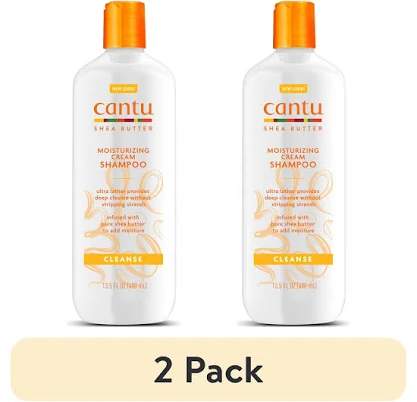
Cantu Unisex Shea Butter Moisturizing Cream Shampoo
Lower concern, rinse-off shampoo with no known PFAS triggers.
This rinse-off cosmetic has no reported waterproofing, stain resistance, or nonstick treatments that commonly require PFAS. Standard surfactant-based shampoos carry minimal PFAS risk.
We flunk more products than we pass. This one earned its grade. How we grade
Material
water-based shampoo/cream emulsion
Brand disclosure
Brand is silent on PFAS
Lab data
No public lab test
You may also be interested in
Top-graded picks in the categories readers replace first, every one scored on the same rubric.

- polypropylene filter housing, carbon/sediment cartridge
- We found no PFAS statement from the brand
- Bacterial growth in spent cartridges
3 hazards checked on this product, all on its full breakdown.

Aquasure
Premier Series 75 GPD Under Sink Reverse Osmosis Water Filtration System
- RO membrane, carbon filters, stainless steel housing
- We found no PFAS statement from the brand
- Bacterial and microbial growth in housing and filters
4 hazards checked on this product, all on its full breakdown.

Avocado
Vegan Mattress
- organic cotton, natural latex, coconut coir, recycled steel coils
- The brand calls it PFAS-free, which we have not verified
- Heavy metals
2 hazards checked on this product, all on its full breakdown.
What Cantu Unisex Shea Butter Cream Shampoo is made of, ingredients and materials
Cantu Shea Butter Moisturizing Cream Shampoo is a water-based emulsion combining water, sulfate-free cleansing agents, shea butter, and humectants. The cream formulation relies on emulsifiers and thickeners rather than silicones or heavy chelating agents to provide slip and moisture. Because this is a rinse-off product applied briefly to hair and scalp before washing away, dermal absorption and systemic exposure are significantly lower than leave-on cosmetics or ingested products.
What’s concerning
Category baseline
The starting point for this type of product, before anything specific to this product is counted.
No PFAS disclosure
No public statement from the brand about PFAS in this product.
Formaldehyde / VOCs
Cream shampoos often require preservative systems to prevent microbial growth in the emulsion. While no specific formaldehyde releasers have been documented in published ingredient lists for this product, quaternary ammonium compounds or imidazolidinyl urea derivatives common in this category can slowly release trace formaldehyde. Rinse-off nature and brief contact time limit exposure.
Source, ATSDR ↗Fragrance allergens and undisclosed components
Cantu Shea Butter formulas contain fragrance (parfum), which may include unlisted allergens under trade-secret rules. Individuals with sensitive scalps or fragrance sensitivities may experience contact dermatitis. The brand does not disclose complete fragrance composition, limiting ability to identify specific allergenic components like limonene or linalool.
Surfactant irritation to scalp and eyes
Even sulfate-free formulations use cleansing agents (typically cocamidopropyl betaine or similar); these are gentler than sulfates but can still cause scalp irritation in sensitive individuals or eye discomfort if splashed. Cream-based formulation reduces foaming intensity, lowering contact risk compared to traditional shampoos.
Emulsion instability and bacterial growth
Cream shampoos are water-based emulsions susceptible to phase separation and microbial colonization if stored improperly (warm, humid) or left open. Contaminated product could introduce bacteria to scalp. Proper closure, cool storage, and prompt use within shelf life mitigate this risk.
What’s reassuring
Base material not linked to PFAS
The main material recorded for this product is not one associated with PFAS.
Contaminants in botanical ingredients
Shea butter and plant-derived moisturizers can occasionally carry microbial or pesticide residues depending on sourcing and processing. No recalls or contamination incidents are on record for Cantu Shea Butter Moisturizing Cream Shampoo specifically. Standard cosmetic manufacturing oversight applies.
How is this PFAS grade calculated?
The brand's record and disclosure
Cantu has not published explicit third-party certifications (e.g., EWG Verified, Leaping Bunny) or detailed ingredient safety disclosures. The brand markets formulations as sulfate-free and has built reputation in textured and natural-hair communities. No major safety recalls or substantiated contamination incidents appear in public records for this shampoo line. The brand maintains silent stance on PFAS, consistent with most mainstream personal care manufacturers.
How it compares in its category
Cream shampoos are typically gentler than traditional foaming formulas and carry lower risk of scalp irritation in the personal-care category. Cantu positions itself in the mass-market natural-ingredient space alongside competitors like SheaMoisture and Carol's Daughter, which similarly lack formal third-party certification but have comparable safety profiles. Rinse-off shampoos as a class present lower systemic risk than conditioning masks, leave-in sprays, or scalp treatments due to short contact time.
If you buy it
Store upright in a cool, dry place away from direct heat or sunlight to prevent emulsion breakdown and potential ingredient separation. Use as directed (lather and rinse thoroughly); do not leave on scalp for extended periods. Discontinue use immediately if scalp irritation, burning, or allergic reaction occurs. Replace if the product separates, smells rancid, or shows visible mold, which can occur in humid bathrooms; typical shelf life is 12-24 months unopened.
What is not known about PFAS in this product?
- Basis
- Model estimate, 82% confidence, not a lab result
- Lab test
- None on record for this exact product
- Brand statement
- Cantu has made none
Formulations change between production runs, so check the current label. How we grade.
More shampoo grades
How we score, every product runs through the same public 0-100 rubric based on materials, coatings, brand disclosure, lab findings, and recalls. See the full methodology → Spotted a mistake? Report an error.