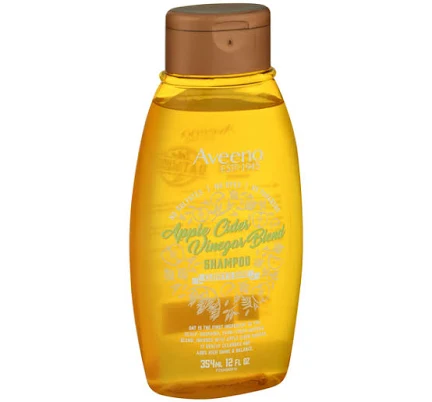
Aveeno Apple Cider Vinegar Shampoo
Lower concern because liquid cosmetics rarely require water-repellent coatings.
This rinse-off liquid shampoo has no documented PFAS exposure pathway. Rinse-off products lack the waterproofing and durability demands that drive PFAS use.
We flunk more products than we pass. This one earned its grade. How we grade
Material
aqueous liquid shampoo (typical surfactants, conditioning agents, water)
Brand disclosure
Brand is silent on PFAS
Lab data
No public lab test
You may also be interested in
Top-graded picks in the categories readers replace first, every one scored on the same rubric.

- polypropylene filter housing, carbon/sediment cartridge
- We found no PFAS statement from the brand
- Bacterial growth in spent cartridges
3 hazards checked on this product, all on its full breakdown.

Aquasure
Premier Series 75 GPD Under Sink Reverse Osmosis Water Filtration System
- RO membrane, carbon filters, stainless steel housing
- We found no PFAS statement from the brand
- Bacterial and microbial growth in housing and filters
4 hazards checked on this product, all on its full breakdown.

Avocado
Vegan Mattress
- organic cotton, natural latex, coconut coir, recycled steel coils
- The brand calls it PFAS-free, which we have not verified
- Heavy metals
2 hazards checked on this product, all on its full breakdown.
What Aveeno Apple Cider Vinegar Shampoo is made of, ingredients and materials
Aveeno Apple Cider Vinegar Shampoo is an aqueous liquid formulation combining water, anionic surfactants (detergents), conditioning polymers, and apple cider vinegar extract. The liquid matrix eliminates risks associated with talc powders or pressed cake formulations. Apple cider vinegar itself is a mild acid (pH modifier) that poses no systemic toxicity at dilute concentrations used in shampoo.
What’s concerning
Category baseline
The starting point for this type of product, before anything specific to this product is counted.
No PFAS disclosure
No public statement from the brand about PFAS in this product.
Surfactant irritation (skin/eye contact)
Anionic surfactants in shampoo bases can cause irritation with direct eye exposure or prolonged skin contact; this is expected behavior, not a formulation flaw. Aveeno formulations are marketed as gentle and typically include pH buffers to reduce irritation risk relative to stronger alternatives.
Fragrance allergens
Aveeno Apple Cider Vinegar Shampoo contains fragrance compounds (not fully disclosed by INCI as 'Fragrance'); individuals with sensitive skin or fragrance allergy may experience contact dermatitis. No specific allergen incidents documented on public record for this product.
Microbial contamination (post-purchase)
Liquid shampoos can support bacterial growth if water is introduced during use (wet hands, cap left off, contaminated applicators). This is a use-and-storage issue, not a manufacturing defect. Proper sealing and dry storage eliminate this risk.
What’s reassuring
Base material not linked to PFAS
The main material recorded for this product is not one associated with PFAS.
Preservative-related sensitization
Available product formulations do not list parabens or formaldehyde-releasing agents at concentrations that pose systemic concern. Phenoxyethanol, if present, is used at levels permitted under cosmetic regulations. No recalls or complaints citing preservative toxicity are on record.
Heavy metals
No documented cases of lead, cadmium, or arsenic contamination in Aveeno shampoo formulations. Conditioning agents (silicones, polymers) used in this product line are not known sources of heavy metal accumulation at consumer-use concentrations.
Source, FDA ↗How is this PFAS grade calculated?
The brand's record and disclosure
Aveeno (Johnson & Johnson subsidiary) maintains transparency on ingredient lists and has no documented recalls specific to this product line due to chemical contaminants. The brand does not advertise PFAS-free status but makes no known use of water-repellent coating additives in liquid shampoo formulations, a category where PFAS presence is rare. J&J has faced litigation over talc-based products (unrelated to this shampoo) but no similar issues on record for aqueous hair care.
How it compares in its category
Liquid shampoos as a category present lower chemical hazard profiles than solid bars or aerosol sprays. Aveeno's formulation is typical of mainstream drugstore shampoos; it contains conventional surfactant systems comparable to competitors like Pantene or Head & Shoulders. No preservative system (phenoxyethanol, parabens, etc.) is listed on the product label that would flag higher concern than peer products.
If you buy it
Store sealed at room temperature away from direct sunlight to prevent surfactant degradation or microbial growth. Use as directed on the label; no excessive dilution needed. Discard if visible discoloration, separation, or odor change occurs, typically 12-24 months after opening depending on bathroom humidity. Do not ingest; seek medical attention if eye contact causes persistent irritation.
What is not known about PFAS in this product?
- Basis
- Model estimate, 82% confidence, not a lab result
- Lab test
- None on record for this exact product
- Brand statement
- Aveeno has made none
Formulations change between production runs, so check the current label. How we grade.
More shampoo grades
How we score, every product runs through the same public 0-100 rubric based on materials, coatings, brand disclosure, lab findings, and recalls. See the full methodology → Spotted a mistake? Report an error.