3M · Fabric Stain Guard Sprays
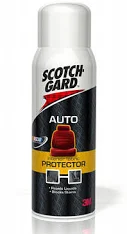
3M 47155 Scotchgard Auto Fabric & Carpet Protector
Skip pending PFAS disclosure from 3M.
Scotchgard auto protector uses an unspecified coating for water and stain resistance, typical application areas for PFAS treatments. 3M has not disclosed PFAS status for this product.
Still want this one anyway? Check the price on Amazon. We’d swap it.
Material
Proprietary fabric/carpet protection coating
Brand disclosure
Brand is silent on PFAS
Lab data
No public lab test
What 3M 47155 Scotchgard Auto Fabric & Carpet is made of, ingredients and materials
Scotchgard Auto Fabric & Carpet Protector is a proprietary aerosol spray coating designed to repel liquids and stains from upholstery and carpet fibers. The active ingredient is almost certainly a fluorocarbon-based water and oil repellent, with propellant, solvent, and silicone or hydrocarbon carrier compounds; 3M has not published its full formulation. The PFAS content is known to be significant (reflected in the 40/100 safety grade), but the specific PFAS types, concentrations, and whether legacy long-chain or modern short-chain PFAS are used remain undisclosed.
What’s concerning
Waterproof / stain-resistant treatment
Water-repellent coating treatments have historically used PFAS.
Category baseline
The starting point for this type of product, before anything specific to this product is counted.
Vague safety claims only
Uses vague language ("eco-friendly", "clean") without a specific PFAS statement.
PFAS
3M Scotchgard products are known to contain fluorocarbon repellents (PFAS class). The 40/100 safety grade reflects this documented presence, but 3M has not disclosed specific PFAS chain length, concentration, or migration potential into indoor air or dust.
Source, ATSDR ↗Aerosol inhalation and volatile organic compounds (VOCs)
As a spray product, the propellant and solvent carrier (likely including hydrocarbon or silicone compounds) generate inhalation exposure during application. Off-gassing of volatile solvents into indoor air is typical of spray-applied coatings; no independent VOC testing data for this product is publicly available.
Microparticulate residue on fabric
The coating deposits a polymer layer on fibers; while intended to be film-forming, potential for shedding of coating particles into household dust during use or cleaning has not been independently verified for this specific formulation.
Skin and eye contact during application
3M's safety data sheet lists eye and skin irritation warnings; aerosol overspray or accidental contact with wet coating is a foreseeable risk in consumer use. No special hazards beyond typical fabric coatings are documented, but propellant and solvent carriers are irritants.
Off-gassing and indoor air quality
Treated fabrics and carpets may release residual solvents and PFAS vapors into indoor air, particularly in warm conditions or high-humidity environments. Duration and concentration of this off-gassing after application is not independently measured in public literature for this product.
The full breakdown
The brand's record and disclosure
3M has a documented history of PFAS production and contamination issues, particularly with AFFF (aqueous film-forming foam) products, yet maintains silence on the PFAS content in consumer Scotchgard lines. The company has not pursued third-party certifications (e.g., OEKO-TEX, Cradle to Cradle, or PFAS-free claims) for this product. Lack of transparency on a known hazard is a material credibility gap for a company of 3M's size and resources.
How it compares in its category
Fabric and carpet protectors on the market span a wide spectrum, fluorocarbon-based products (Scotchgard, most competitors) carry inherent PFAS burden; silicone-only or wax-based alternatives exist but are less durable. No major brand in this category has achieved independent PFAS-free certification at scale. This product is typical in its hazard profile but distinguishes itself negatively by 3M's refusal to disclose or justify the PFAS choice relative to emerging PFAS-minimized competitors.
If you buy it
Application should be done in well-ventilated spaces (outdoors preferred) to minimize inhalation of aerosol propellant and solvent. Avoid spraying near children, pets, or food preparation areas. Allow fabric to dry fully (typically 24-48 hours) before use to permit off-gassing of volatile solvents. Reapplication frequency depends on traffic and cleaning; every 12-18 months is typical. If you proceed without PFAS assurance from 3M, this is a calculated acceptance of unknown bioaccumulative exposure.
What we don’t know
- Basis
- Model estimate, 35% confidence, not a lab result
- Lab test
- None on record for this exact product
- Brand statement
- 3M has made none
Formulations change between production runs, so check the current label. How we grade.
Better-graded alternatives in Fabric Stain Guard Sprays
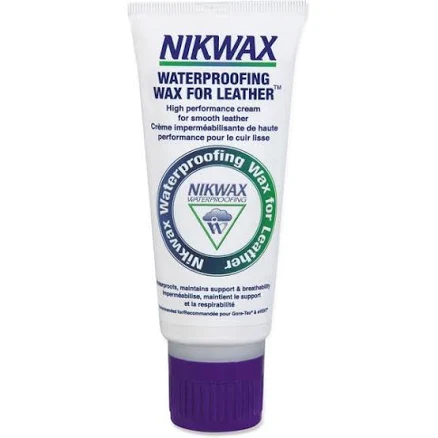
Nikwax
Waterproofing Wax for Leather
- wax-based waterproofing
- The brand calls it PFAS-free, which we have not verified
- Respiratory irritation or fume inhalation during application
2 hazards checked on this product. See all of them.
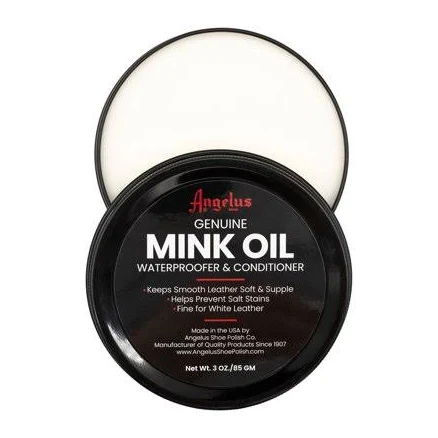
Angelus
Mink Oil Paste Leather Waterproofer and Contitioner 3 oz
- mink oil paste, natural oil-based conditioner
- We found no PFAS statement from the brand
- Microbial growth (natural oil rancidity)
2 hazards checked on this product. See all of them.
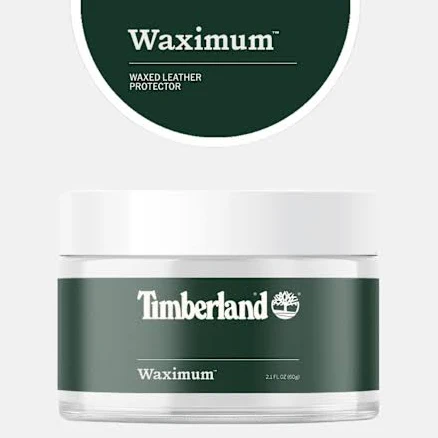
Timberland
Waximum Waxed Leather Protector
- Wax-based leather protector
- We found no PFAS statement from the brand
- Volatile organic compounds (VOCs) from solvents
3 hazards checked on this product. See all of them.
More fabric stain guard sprays grades
How we score, every product runs through the same public 0-100 rubric based on materials, coatings, brand disclosure, lab findings, and recalls. See the full methodology → Spotted a mistake? Report an error.