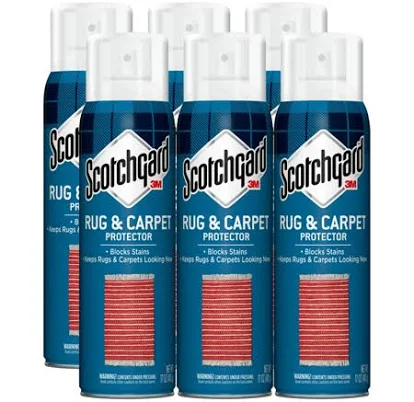
Scotchgard · Fabric Stain Guard Sprays
Scotchgard Rug & Carpet Protector
High PFAS risk; skip until Clorox discloses coating ingredients.
Proprietary water and stain-resistant coating without public PFAS disclosure. Stain and water repellents historically contain PFAS; Clorox has not confirmed reformulation or testing.
Still want this one anyway? Check the price on Amazon. We’d swap it.
Material
proprietary water and stain-resistant coating
Lab data
No public lab test
What Scotchgard Rug & Carpet Protector is made of, ingredients and materials
Scotchgard Rug & Carpet Protector is a proprietary water and stain-resistant coating applied as a spray or aerosol. The active ingredient chemistry is deliberately undisclosed by Clorox; carpet protectors in this class historically rely on fluorochemical compounds (PFAS family) to achieve water and oil repellency, though some newer formulations use non-fluorinated alternatives. Without ingredient transparency, the actual PFAS burden cannot be verified. The coating bonds to carpet fibers and degrades with foot traffic and cleaning, requiring periodic reapplication.
What’s concerning
Category baseline
The starting point for this type of product, before anything specific to this product is counted.
Vague safety claims only
Uses vague language ("eco-friendly", "clean") without a specific PFAS statement.
Waterproof / stain-resistant treatment
Water-repellent coating treatments have historically used PFAS.
PFAS
Proprietary formulation; Clorox has not disclosed ingredient list or confirmed PFAS absence. Fluorochemical-based water repellents are the historical standard in carpet protectors and bioaccumulate in humans and environment. Graded separately at 35/100; reported here as likely component absent public contradiction.
Source, ATSDR ↗VOC and inhalation exposure during application
Aerosol and spray formulations typically contain propellants and solvent carriers that release volatile organic compounds. Acute inhalation effects (dizziness, headache) reported in poorly ventilated spaces. Risk is application-time and ventilation-dependent, not residual in dried coating.
Skin and respiratory sensitization from spray contact
Direct spray contact can cause temporary irritation; individuals with asthma or chemical sensitivity may experience respiratory response. Product labeling advises avoiding inhalation. Risk mitigated by proper application technique and ventilation.
What’s reassuring
Coating degradation and fiber shedding over time
Scotchgard coatings degrade naturally with wear and cleaning cycles; no evidence of toxic shedding, but micro-losses of fluorochemical residues to indoor dust and vacuum bags occur over product lifespan and contribute to household PFAS burden.
Formaldehyde / VOCs
Scotchgard itself is not a formaldehyde resin; however, application to carpets treated with formaldehyde-containing backings may not alter those carpets' off-gassing. Product-specific risk is not elevated beyond baseline carpet composition.
Source, ATSDR ↗The full breakdown
The brand's record and disclosure
Clorox has not published ingredient disclosure statements for Scotchgard or clarified whether the formulation contains PFAS or PFAS-free alternatives. The brand has faced no major public recalls specific to this product, but its parent company's silence on per- and polyfluoroalkyl substance use in textile coatings is consistent with industry-wide opacity on the issue. Clorox does not list this product under environmental stewardship certifications (e.g., Cradle to Cradle, Bluesign).
How it compares in its category
Most commercial carpet protectors in the mainstream market (including 3M's competing Scotchgard Professional line and store brands) rely on conventional PFAS chemistry; PFAS-free alternatives exist but are less common in retail products and may have shorter durability. Scotchgard holds significant market share and brand recognition but does not differentiate on chemical safety. Consumers seeking lower-risk options should look for products explicitly labeled PFAS-free or seek plant-based or silicone-based protective coatings, which carry their own tradeoffs in durability.
If you buy it
Apply in well-ventilated areas (outdoor use preferred) to minimize inhalation of aerosol particles or spray mist. Allow full drying per label (typically 24-48 hours) before foot traffic. Reapply every 12-18 months depending on carpet traffic; heavy use may require more frequent retreatment. Do not apply to wool or delicate fibers without testing an inconspicuous area first. If household members have respiratory sensitivity or chemical hypersensitivity, consider non-fluorinated or non-chemical alternatives (e.g., enzymatic cleaning or steam extraction).
What we don’t know
- Basis
- Model estimate, 45% confidence, not a lab result
- Lab test
- None on record for this exact product
- Brand statement
- Scotchgard has made a specific claim
Formulations change between production runs, so check the current label. How we grade.
Better-graded alternatives in Fabric Stain Guard Sprays
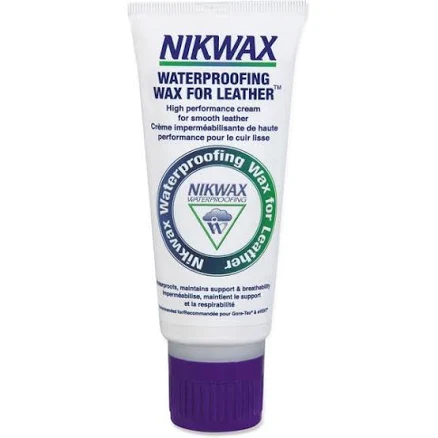
Nikwax
Waterproofing Wax for Leather
- wax-based waterproofing
- The brand calls it PFAS-free, which we have not verified
- Respiratory irritation or fume inhalation during application
2 hazards checked on this product. See all of them.
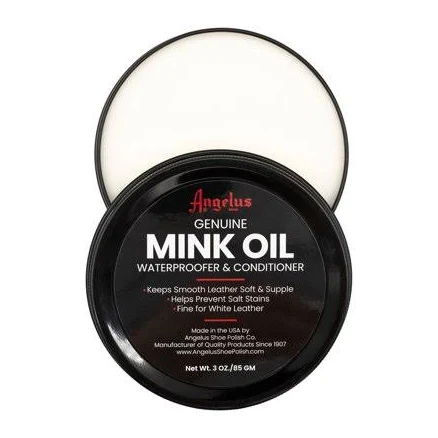
Angelus
Mink Oil Paste Leather Waterproofer and Contitioner 3 oz
- mink oil paste, natural oil-based conditioner
- We found no PFAS statement from the brand
- Microbial growth (natural oil rancidity)
2 hazards checked on this product. See all of them.
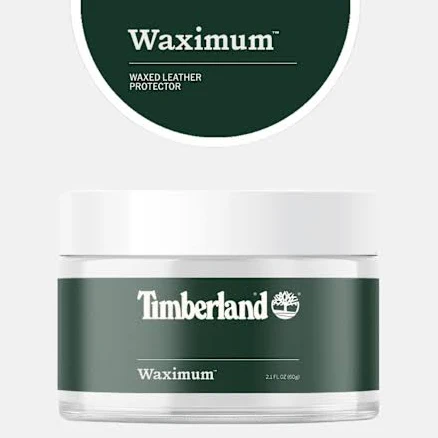
Timberland
Waximum Waxed Leather Protector
- Wax-based leather protector
- We found no PFAS statement from the brand
- Volatile organic compounds (VOCs) from solvents
3 hazards checked on this product. See all of them.
More fabric stain guard sprays grades
How we score, every product runs through the same public 0-100 rubric based on materials, coatings, brand disclosure, lab findings, and recalls. See the full methodology → Spotted a mistake? Report an error.