Maxfli · Golf Balls & Equipment
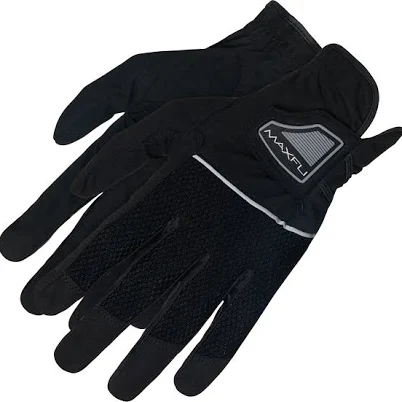
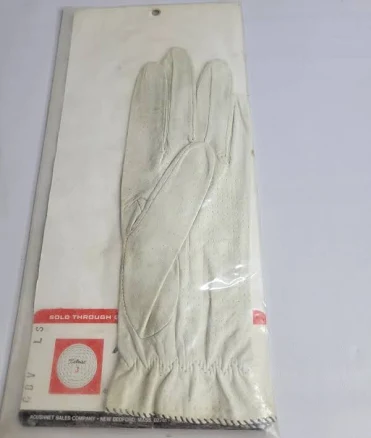
Maxfli Rain Golf Gloves
Rain gloves likely use water-repellent coating treatment, brand discloses nothing on PFAS.
Maxfli rain gloves are treated for water resistance, a typical PFAS application, and Acushnet makes no public PFAS statement.
The better-graded swap
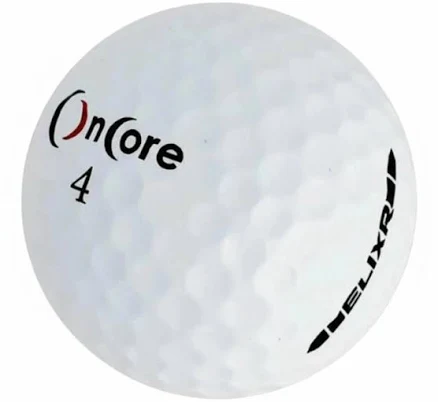
OnCore
ONCORE MIX 1 DOZEN RECYCLED GOLF BALLS Value (AAA)
85/100 safety
Same rubric that flunked this product. The swap earned Excellent.
Still want this one anyway? Check the price on Amazon. We’d swap it.
Material
synthetic leather or polyurethane with water-resistant coating
Brand disclosure
Brand is silent on PFAS
Lab data
No public lab test
You may also be interested in
Top-graded picks in the categories readers replace first, every one scored on the same rubric.

- polypropylene filter housing, carbon/sediment cartridge
- We found no PFAS statement from the brand
- Bacterial growth in spent cartridges
3 hazards checked on this product, all on its full breakdown.

Aquasure
Premier Series 75 GPD Under Sink Reverse Osmosis Water Filtration System
- RO membrane, carbon filters, stainless steel housing
- We found no PFAS statement from the brand
- Bacterial and microbial growth in housing and filters
4 hazards checked on this product, all on its full breakdown.

Avocado
Vegan Mattress
- organic cotton, natural latex, coconut coir, recycled steel coils
- The brand calls it PFAS-free, which we have not verified
- Heavy metals
2 hazards checked on this product, all on its full breakdown.
What Maxfli Rain Golf Gloves is made of, ingredients and materials
Maxfli Rain Golf Gloves use synthetic leather or polyurethane base with a water-repellent coating (water-repellent coating) coating to shed moisture during play. The water-repellent coating finish is the primary functional layer and is where PFAS chemicals are typically applied in rain-protective apparel. Polyurethane itself is generally stable against leaching during normal wear, but the water-resistant coating is the chemical concern, not the substrate.
What’s concerning
No PFAS disclosure
No public statement from the brand about PFAS in this product.
Category baseline
The starting point for this type of product, before anything specific to this product is counted.
Waterproof / stain-resistant treatment
Water-repellent coating treatments have historically used PFAS.
PFAS
Rain gloves universally use fluorinated water-repellent finishes; Acushnet does not disclose coating chemistry. PFAS exposure is dermally absorbed during wear and is the dominant non-PFAS-specific hazard for this product category.
Source, ATSDR ↗Coating degradation and leaching over time
As water-repellent coating coatings degrade from washing, UV exposure, or heat, embedded PFAS or other coating chemicals may leach onto skin or into wash water. Glove lifespan and coating durability are unknown for this specific product.
What’s reassuring
Azo dyes in synthetic leather or colorants
No documented azo dye concerns or recalls specific to Maxfli gloves. Synthetic leather dyes in standard apparel are not typically flagged for this product category, though regulated in the EU.
Formaldehyde / VOCs
Formaldehyde is not a standard component of polyurethane water-repellent coating coatings or synthetic leather production; no known issue with Maxfli gloves in available records.
Source, ATSDR ↗Skin irritation or contact sensitivity
No documented allergic reactions, contact dermatitis, or irritation specific to Maxfli Rain Gloves reported in public records. Polyurethane and synthetic leather are generally well-tolerated on intact skin.
How is this PFAS grade calculated?
The brand's record and disclosure
Acushnet (Maxfli's parent company) has not publicly disclosed PFAS use, PFAS-free commitments, or water-repellent coating specifications for any of its product lines. The brand does not advertise third-party certifications for chemical content in apparel. No major safety recalls or chemical hazard warnings have been issued for Maxfli gloves, but silence on water-repellent coating chemistry reflects an industry-wide transparency gap rather than assurance of safety.
How it compares in its category
Most mainstream golf and rain gloves use PFAS-based water-repellent coating coatings because they are cost-effective and durable; Maxfli is typical in this respect. Premium alternatives (e.g., some higher-end brands) increasingly advertise PFAS-free water resistance, but consumer data on performance trade-offs is limited. Budget rain gloves are unlikely to disclose whether coatings are PFAS or fluorine-free, making Maxfli representative rather than an outlier.
If you buy it
Wear gloves on clean skin or under a base layer to minimize direct skin absorption of coating chemicals during extended play. Avoid washing in hot water or high heat, as this can accelerate coating degradation and potential leaching; gentle hand wash in cool water is sufficient. Replace gloves if the water-repellent finish visibly degrades (water stops beading), as coating breakdown is the primary chemical release risk. Store in a cool, dry place to extend coating life and reduce off-gassing.
What is not known about PFAS in this product?
- Basis
- Model estimate, 45% confidence, not a lab result
- Lab test
- None on record for this exact product
- Brand statement
- Maxfli has made none
Formulations change between production runs, so check the current label. How we grade.
What are the PFAS-free alternatives to Maxfli Rain Golf Gloves?
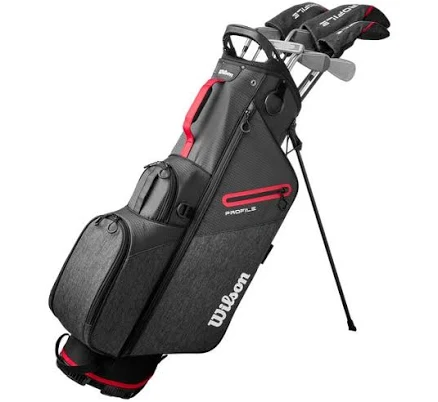
- Steel clubheads, graphite shafts, rubber grips
- We found no PFAS statement from the brand
- Graphite shaft resin degradation and fiber exposure
3 hazards checked on this product, all on its full breakdown.
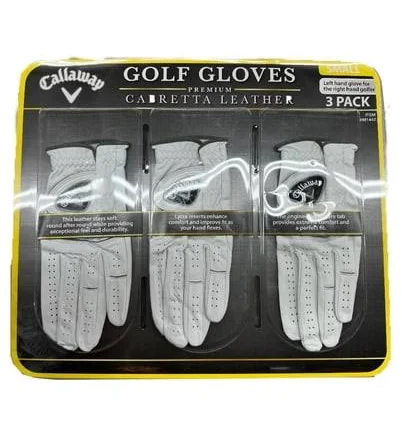
- Cabretta leather, likely tannin-tanned
- We found no PFAS statement from the brand
- Heavy metals
4 hazards checked on this product, all on its full breakdown.
- leather or synthetic leather with cotton lining
- We found no PFAS statement from the brand
- Heavy metals
4 hazards checked on this product, all on its full breakdown.
Find an alternative on AmazonMore golf balls & equipment grades
How we score, every product runs through the same public 0-100 rubric based on materials, coatings, brand disclosure, lab findings, and recalls. See the full methodology → Spotted a mistake? Report an error.