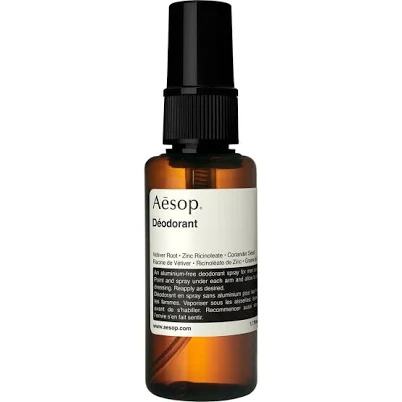
Aesop Deodorant 50ml
Lower PFAS concern for simple liquid deodorant; no public PFAS commitment.
Aesop Deodorant is water and alcohol based with mineral and plant actives, requiring no waterproofing or stain-guard coatings that trigger PFAS use. The brand provides no PFAS disclosure or verification.
We flunk more products than we pass. This one earned its grade. How we grade
Material
Water-based, alcohol-based, and essential oil blend with mineral/plant actives
Brand disclosure
Brand is silent on PFAS
Lab data
No public lab test
You may also be interested in
Top-graded picks in the categories readers replace first, every one scored on the same rubric.

- polypropylene filter housing, carbon/sediment cartridge
- We found no PFAS statement from the brand
- Bacterial growth in spent cartridges
3 hazards checked on this product, all on its full breakdown.

Aquasure
Premier Series 75 GPD Under Sink Reverse Osmosis Water Filtration System
- RO membrane, carbon filters, stainless steel housing
- We found no PFAS statement from the brand
- Bacterial and microbial growth in housing and filters
4 hazards checked on this product, all on its full breakdown.

Avocado
Vegan Mattress
- organic cotton, natural latex, coconut coir, recycled steel coils
- The brand calls it PFAS-free, which we have not verified
- Heavy metals
2 hazards checked on this product, all on its full breakdown.
What Aesop Deodorant 50ml is made of, ingredients and materials
Aesop Deodorant is a liquid formulation based on water, alcohol (typically ethanol or similar), and essential oils combined with mineral or plant-derived actives such as zinc ricinoleate or magnesium compounds for odor control. Unlike aerosol antiperspirants or talc-based powders, liquid alcohol-based deodorants avoid inhalation risk and talc contamination concerns. The absence of aluminum antiperspirant agents and simple mineral actives reduces systemic absorption hazards associated with conventional antiperspirants.
What’s concerning
Category baseline
The starting point for this type of product, before anything specific to this product is counted.
No PFAS disclosure
No public statement from the brand about PFAS in this product.
Fragrance and essential oil allergens
Aesop Deodorant contains essential oil blends and fragrance compounds typical of the brand's signature scents. Essential oils such as lavender, citrus, and botanicals can trigger contact dermatitis or fragrance sensitivity in susceptible individuals; brand does not disclose full fragrance component breakdown (INCI fragrance declaration is standard but not ingredient-specific).
Alcohol irritation and barrier damage
High alcohol content (typical 40-60% in alcohol-based deodorants) may cause transient dryness, irritation, or stinging, especially on sensitive skin or fresh shaving cuts. Repeated use can compromise skin barrier function in predisposed individuals; risk is product formulation dependent and not brand-specific but inherent to this delivery format.
What’s reassuring
Base material not linked to PFAS
The main material recorded for this product is not one associated with PFAS.
Heavy metals
Zinc ricinoleate and magnesium compounds used in deodorants are established cosmetic actives with lower concern for heavy metal contamination in reputable manufacturing. No recalls or contamination reports exist for Aesop Deodorant; risk remains theoretical for any mineral-based formula if sourcing controls lapse.
Source, FDA ↗1,4-dioxane (solvent contaminant)
Alcohol-based deodorants without ethoxylated surfactants present negligible 1,4-dioxane risk. Aesop's published ingredient lists do not indicate ethoxylated compounds (e.g., ceteareth, polysorbates) that generate 1,4-dioxane as a manufacturing byproduct; independent testing would confirm but no public data suggests contamination in this product.
Formaldehyde / VOCs
Alcohol-based formulas typically rely on alcohol itself as preservative or use established safe preservatives (e.g., phenoxyethanol, benzoic acid derivatives). Aesop's ingredient lists do not disclose formaldehyde donors; risk for this deodorant category is low if manufacturing follows cosmetic GMP standards.
Source, ATSDR ↗How is this PFAS grade calculated?
The brand's record and disclosure
Aesop is an established prestige personal care brand owned by Estée Lauder Companies and generally recognized for ingredient transparency on product labels and website ingredient lists. The brand does not publish a formal PFAS reduction commitment or third-party testing disclosure for PFAS in deodorants. No significant product safety recalls or hazard reports are on public record for Aesop Deodorant formulations. Certifications beyond standard cosmetic compliance are not prominently claimed for this specific product line.
How it compares in its category
Liquid alcohol-based deodorants like this occupy a middle ground between natural baking-soda formulas (lower PFAS risk, higher skin irritation potential) and aerosol antiperspirants or antiperspirant sticks (higher PFAS exposure in some cases due to silicone carriers). Aesop's essential oil approach aligns with premium natural-leaning segment positioning; PFAS risk is lower than Teflon-family coating-coated powder or aerosol products but not eliminated. Comparable alternatives (Tom's, Schmidt's liquid formats) offer similar or slightly lower PFAS profiles with comparable disclosure gaps.
If you buy it
Apply to clean, dry skin; alcohol-based formulas work best on unbroken skin and may cause mild irritation or dryness if applied immediately after shaving. Store away from direct heat and sunlight to preserve essential oil integrity and prevent alcohol evaporation. Replace when efficacy declines or if irritation develops; a 50 ml bottle typically lasts 2-3 months with daily use. Discontinue if contact dermatitis occurs; fragrance and essential oil blends can trigger sensitivity in prone individuals.
What is not known about PFAS in this product?
- Basis
- Model estimate, 72% confidence, not a lab result
- Lab test
- None on record for this exact product
- Brand statement
- Aesop has made none
Formulations change between production runs, so check the current label. How we grade.
What are the PFAS-free alternatives to Aesop Deodorant 50ml?
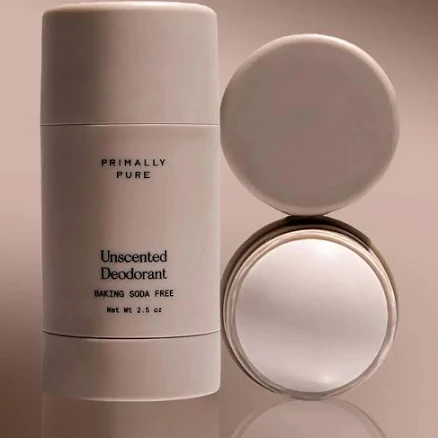
- mineral-based powder blend (arrowroot, magnesium hydroxide, mica)
- We found no PFAS statement from the brand
- Skin irritation from magnesium hydroxide alkalinity
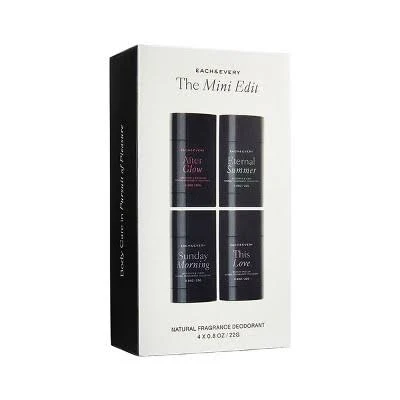
- cosmetic formulations, primary ingredients listed
- A third party reports verifying it as PFAS-free
- Fragrance allergens (natural essential oils)
2 hazards checked on this product, all on its full breakdown.
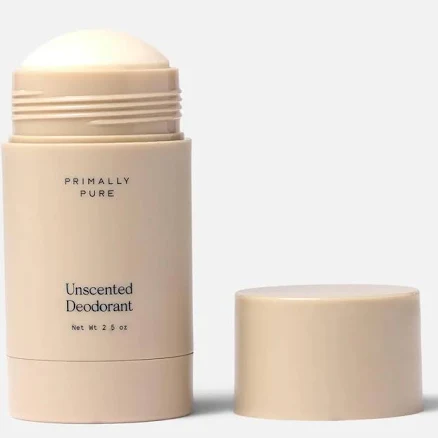
- natural mineral powders, plant-based actives, beeswax
- We found no PFAS statement from the brand
- Beeswax purity and contamination
2 hazards checked on this product, all on its full breakdown.
More deodorant grades
How we score, every product runs through the same public 0-100 rubric based on materials, coatings, brand disclosure, lab findings, and recalls. See the full methodology → Spotted a mistake? Report an error.