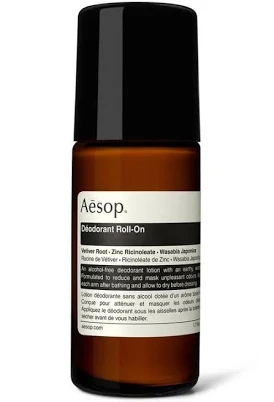
Aesop Deodorant Roll-On
Lower concern with no known PFAS triggers, but Aesop discloses nothing.
This roll-on deodorant contains no typical PFAS ingredients like Teflon-family coating coatings or water-resistant treatments. Aesop doesn't publicly state whether it's PFAS-free or hold environmental certifications.
We flunk more products than we pass. This one earned its grade. How we grade
Material
water-based roll-on deodorant formulation; typical ingredients include glycerin, alcohol, mineral powders, fragrance
Brand disclosure
Brand is silent on PFAS
Lab data
No public lab test
You may also be interested in
Top-graded picks in the categories readers replace first, every one scored on the same rubric.

- polypropylene filter housing, carbon/sediment cartridge
- We found no PFAS statement from the brand
- Bacterial growth in spent cartridges
3 hazards checked on this product, all on its full breakdown.

Aquasure
Premier Series 75 GPD Under Sink Reverse Osmosis Water Filtration System
- RO membrane, carbon filters, stainless steel housing
- We found no PFAS statement from the brand
- Bacterial and microbial growth in housing and filters
4 hazards checked on this product, all on its full breakdown.

Avocado
Vegan Mattress
- organic cotton, natural latex, coconut coir, recycled steel coils
- The brand calls it PFAS-free, which we have not verified
- Heavy metals
2 hazards checked on this product, all on its full breakdown.
What Aesop Deodorant Roll-On is made of, ingredients and materials
Aesop's roll-on deodorant is a water-based formulation relying on glycerin, alcohol, and mineral powders (likely talc, magnesium, or silica) for absorbency and odor control. This chemistry avoids the aluminum salts used in antiperspirants, eliminating that absorption pathway, though it offers no sweat reduction. The alcohol and glycerin serve as preservatives and humectants, reducing need for synthetic preservative systems that generate formaldehyde releasers in some competitors.
What’s concerning
Category baseline
The starting point for this type of product, before anything specific to this product is counted.
No PFAS disclosure
No public statement from the brand about PFAS in this product.
Fragrance allergens
Aesop uses proprietary fragrance blends with essential oils; no ingredient list breakdown is publicly available. Essential oils can trigger contact dermatitis or respiratory sensitivity in susceptible individuals, though incidence is low in deodorant concentration.
Talc contamination (if present)
If mineral powder is talc-sourced rather than silica or magnesium, talc can carry asbestos contaminants at parts-per-billion levels. Aesop does not publicly disclose the specific mineral source or asbestos testing. Inhalation risk from roll-on application is minimal compared to powder products, but dermal contact is prolonged.
Microbial growth in open/warm storage
Water-based deodorants are more vulnerable to bacterial and mold colonization than anhydrous sticks if exposed to heat or humidity. Bathroom storage (typical use location) can exceed optimal conditions; product shelf life is shorter than alcohol-heavy formulas.
What’s reassuring
Base material not linked to PFAS
The main material recorded for this product is not one associated with PFAS.
Formaldehyde / VOCs
Water-based formulations with alcohol and glycerin typically do not require formaldehyde releasers (DMDM hydantoin, imidazolidinyl urea) because alcohol itself provides antimicrobial action. No recalls or complaints link Aesop deodorant to formaldehyde release.
Source, ATSDR ↗1,4-dioxane (manufacturing contaminant)
1,4-dioxane is a byproduct of ethoxylation in cosmetics; Aesop's formulation does not list ethoxylated surfactants, making this hazard unlikely. The brand's premium positioning and European distribution often implies stricter manufacturing controls, though no third-party testing is disclosed.
How is this PFAS grade calculated?
The brand's record and disclosure
Aesop is a luxury brand known for botanical formulation claims but does not publish ingredient sourcing transparency, third-party certifications (organic, toxin-tested), or PFAS disclosure statements. The brand has no publicly documented recalls or safety controversies specific to deodorant. Parent company Estee Lauder maintains compliance with EU and FDA rules, which constrains use of banned substances, though this does not guarantee proactive testing beyond legal minimums.
How it compares in its category
Roll-on deodorants (versus aerosol or stick) inherently avoid propellant inhalation risk and typically have lower VOC profiles. Aesop's water-based approach is less volatile than alcohol-heavy spray deodorants but similar to other premium roll-on alternatives. Most competitors in this price tier (e.g., Ursa Major, Corpus Christi) offer comparable safety profiles; Aesop's advantage is branding rather than material differentiation.
If you buy it
Roll-on deodorants perform best on clean, dry skin; apply sparingly to avoid product buildup on fabric. Store below 25 degrees Celsius (room temperature) to prevent separation or crystallization of mineral powders. If irritation develops (rare, but possible with essential oil fragrance), discontinue use. Replace every 12 to 18 months or when separation or odor change occurs, as water-based formulas are more prone to microbial growth than anhydrous sticks if the lid is left open.
What is not known about PFAS in this product?
- Basis
- Model estimate, 72% confidence, not a lab result
- Lab test
- None on record for this exact product
- Brand statement
- Aesop has made none
Formulations change between production runs, so check the current label. How we grade.
What are the PFAS-free alternatives to Aesop Deodorant Roll-On?
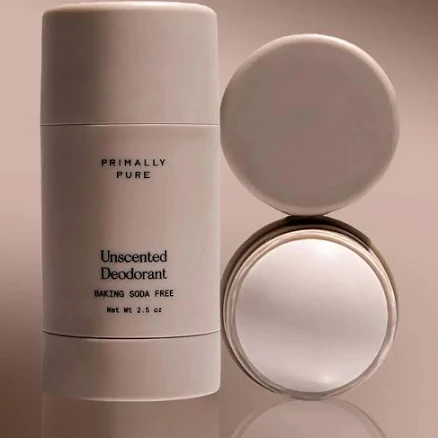
- mineral-based powder blend (arrowroot, magnesium hydroxide, mica)
- We found no PFAS statement from the brand
- Skin irritation from magnesium hydroxide alkalinity
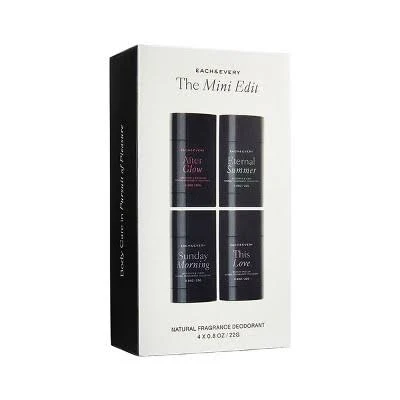
- cosmetic formulations, primary ingredients listed
- A third party reports verifying it as PFAS-free
- Fragrance allergens (natural essential oils)
2 hazards checked on this product, all on its full breakdown.
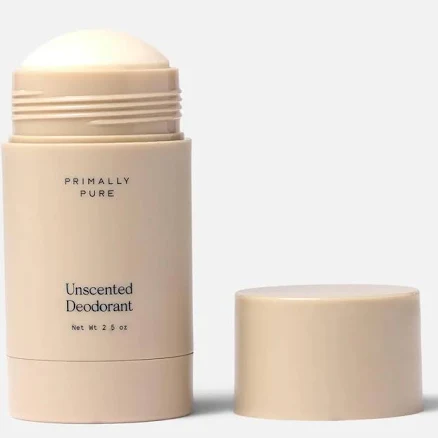
- natural mineral powders, plant-based actives, beeswax
- We found no PFAS statement from the brand
- Beeswax purity and contamination
2 hazards checked on this product, all on its full breakdown.
More deodorant grades
How we score, every product runs through the same public 0-100 rubric based on materials, coatings, brand disclosure, lab findings, and recalls. See the full methodology → Spotted a mistake? Report an error.