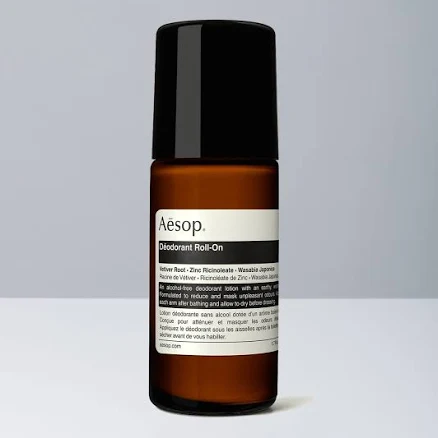
Aesop Deodorant Roll On - TBA / OS
Lower PFAS concern; typical roll-on deodorant formulas avoid Teflon-family coating use.
Aesop doesn't publicly disclose PFAS or claim PFAS-free status for this product. Roll-on deodorants typically avoid intentional PFAS use, though cosmetic surfactants might contain rare PFAS impurities.
We flunk more products than we pass. This one earned its grade. How we grade
Material
Water-based emulsion, typical roll-on applicator ball and plastic container
Brand disclosure
Brand is silent on PFAS
Lab data
No public lab test
You may also be interested in
Top-graded picks in the categories readers replace first, every one scored on the same rubric.

- polypropylene filter housing, carbon/sediment cartridge
- We found no PFAS statement from the brand
- Bacterial growth in spent cartridges
3 hazards checked on this product, all on its full breakdown.

Aquasure
Premier Series 75 GPD Under Sink Reverse Osmosis Water Filtration System
- RO membrane, carbon filters, stainless steel housing
- We found no PFAS statement from the brand
- Bacterial and microbial growth in housing and filters
4 hazards checked on this product, all on its full breakdown.

Avocado
Vegan Mattress
- organic cotton, natural latex, coconut coir, recycled steel coils
- The brand calls it PFAS-free, which we have not verified
- Heavy metals
2 hazards checked on this product, all on its full breakdown.
What Aesop Deodorant Roll On - TBA / OS is made of, ingredients and materials
Aesop Deodorant Roll On is a water-based emulsion in a plastic container with a roll-on ball applicator. Water-based formulas eliminate the risk of Teflon-type coating/Teflon fume inhalation that aerosol or powder deodorants pose. The plastic housing and ball are typically polypropylene or polyethylene, both lower-concern polymers that do not leach significantly at room temperature. The absence of talc or mineral powder removes inhalation and lung contamination risks associated with traditional deodorant formats.
What’s concerning
Category baseline
The starting point for this type of product, before anything specific to this product is counted.
No PFAS disclosure
No public statement from the brand about PFAS in this product.
Fragrance allergens and sensitizers
Aesop deodorants typically include plant-derived fragrance compounds. While the brand favors botanical extracts, fragrance is a known trigger for contact dermatitis in sensitive individuals; ingredient list review is recommended if history of reactions exists.
Bacterial or fungal growth in reservoir
Any roll-on liquid deodorant can harbor bacterial growth if the ball and cap remain damp between uses. Aesop's water-based formula may be more prone to microbial colonization than oil-based or alcohol-based alternatives if not air-dried properly.
What’s reassuring
Base material not linked to PFAS
The main material recorded for this product is not one associated with PFAS.
Formaldehyde / VOCs
No evidence that Aesop uses formaldehyde-releasing preservatives in this line. Water-based formulas typically rely on natural or gentle preservatives (phenoxyethanol, benzoate), but full formula disclosure is needed to rule out rare allergens.
Source, ATSDR ↗Plastic leaching from container
Polypropylene and polyethylene roll-on bottles do not leach BPA or phthalates at room temperature. Risk is negligible unless exposed to heat above 60C or direct sunlight for extended periods.
Aluminum absorption (if antiperspirant)
Aesop Deodorant Roll On is listed as deodorant, not antiperspirant; it does not contain aluminum salts. Odor control is microbial suppression via plant actives, not sweat blockage.
How is this PFAS grade calculated?
The brand's record and disclosure
Aesop publishes ingredient lists transparently and positions itself as a minimalist, plant-extract-forward brand without major recalls on record in the deodorant line. The brand does not publicly disclose PFAS reduction initiatives, which is standard silence across the category (most deodorant makers do not voluntarily test or communicate on PFAS). No established controversies, regulatory actions, or independent testing warnings exist for this product or line.
How it compares in its category
Roll-on deodorants have lower concern regarding aerosol propellants and high aluminum chlorohydrate concentrations found in traditional antiperspirant sticks; this water-based variant avoids those ingredients. Aesop's pricing and ingredient simplicity position it above mass-market brands (which often include fragrance allergens and undisclosed preservatives) but within the natural/premium segment. The lack of talc and powder formulation is a clear advantage over dry stick competitors.
If you buy it
Roll-on deodorants benefit from allowing the ball and cap to air-dry between uses to prevent bacterial growth in the liquid reservoir. Store in a cool, dry place away from direct heat; water-based formulas can separate or lose efficacy if exposed to freezing or high temperature. Replace every 12 months or when odor control diminishes. If skin irritation develops, discontinue and patch-test ingredients on a small area first.
What is not known about PFAS in this product?
- Basis
- Model estimate, 72% confidence, not a lab result
- Lab test
- None on record for this exact product
- Brand statement
- Aesop has made none
Formulations change between production runs, so check the current label. How we grade.
What are the PFAS-free alternatives to Aesop Deodorant Roll On - TBA / OS?
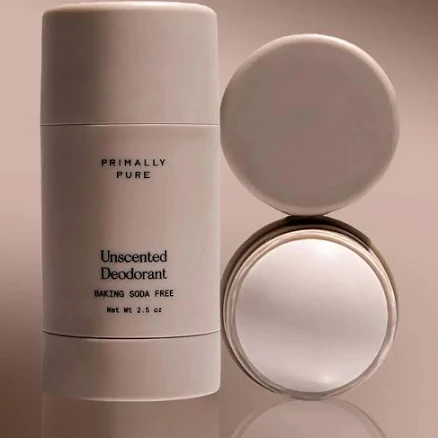
- mineral-based powder blend (arrowroot, magnesium hydroxide, mica)
- We found no PFAS statement from the brand
- Skin irritation from magnesium hydroxide alkalinity
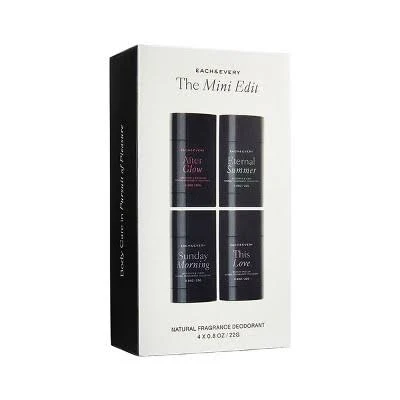
- cosmetic formulations, primary ingredients listed
- A third party reports verifying it as PFAS-free
- Fragrance allergens (natural essential oils)
2 hazards checked on this product, all on its full breakdown.
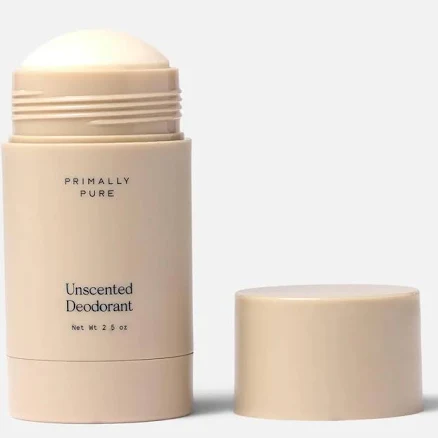
- natural mineral powders, plant-based actives, beeswax
- We found no PFAS statement from the brand
- Beeswax purity and contamination
2 hazards checked on this product, all on its full breakdown.
More deodorant grades
How we score, every product runs through the same public 0-100 rubric based on materials, coatings, brand disclosure, lab findings, and recalls. See the full methodology → Spotted a mistake? Report an error.