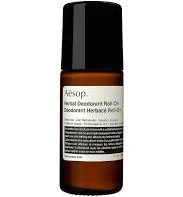
HERBAL ROLL-ON 데오도란트
Lower concern; herbal roll-on deodorants rarely contain PFAS.
This herbal roll-on cosmetic contains no waterproofing, stain resistance, or nonstick coatings that would require PFAS. Aesop discloses no PFAS policy or testing results.
We flunk more products than we pass. This one earned its grade. How we grade
Material
herbal/botanical roll-on deodorant (water, plant extracts, carrier oils typical)
Brand disclosure
Brand is silent on PFAS
Lab data
No public lab test
You may also be interested in
Top-graded picks in the categories readers replace first, every one scored on the same rubric.

- polypropylene filter housing, carbon/sediment cartridge
- We found no PFAS statement from the brand
- Bacterial growth in spent cartridges
3 hazards checked on this product, all on its full breakdown.

Aquasure
Premier Series 75 GPD Under Sink Reverse Osmosis Water Filtration System
- RO membrane, carbon filters, stainless steel housing
- We found no PFAS statement from the brand
- Bacterial and microbial growth in housing and filters
4 hazards checked on this product, all on its full breakdown.

Avocado
Vegan Mattress
- organic cotton, natural latex, coconut coir, recycled steel coils
- The brand calls it PFAS-free, which we have not verified
- Heavy metals
2 hazards checked on this product, all on its full breakdown.
What HERBAL ROLL-ON 데오도란트 is made of, ingredients and materials
Aesop's herbal roll-on is a water-based system with botanical extracts and carrier oils (typical, coconut oil, shea butter, or plant waxes) rather than aluminum antiperspirant compounds. This formulation trades antiperspirant efficacy for skin tolerance, meaning it masks odor via herbal antimicrobials rather than blocking sweat. The water-oil emulsion requires preservative systems, typically natural ones like phenoxyethanol or plant-derived alternatives, to prevent microbial growth. No known heavy metals in pigments or talc contamination is on record for this brand's deodorant line.
What’s concerning
Category baseline
The starting point for this type of product, before anything specific to this product is counted.
No PFAS disclosure
No public statement from the brand about PFAS in this product.
Fragrance allergens and sensitizers
Herbal roll-ons rely on fragrance to mask odor; Aesop does not disclose specific fragrance constituents publicly. Known allergens in botanical deodorants include limonene, linalool, and geraniol, common in plant extracts, which can cause contact dermatitis in 1-3% of users with sensitive skin.
Microbial growth in roll-on liquid base
Water-based roll-ons are susceptible to bacterial or fungal growth if seals fail or product is left warm/humid. Risk increases if bottle interior is not cleaned between uses or if product is shared; not a manufacturing defect but a use-dependent hazard.
Skin irritation from carrier oils or botanical extracts
Coconut oil, shea butter, and plant extracts are well-tolerated by most but can trigger irritation or folliculitis in individuals with oily or acne-prone skin. Aesop does not disclose specific botanical sources or concentration levels, limiting pre-purchase allergen prediction.
What’s reassuring
Base material not linked to PFAS
The main material recorded for this product is not one associated with PFAS.
Preservative safety (phenoxyethanol, plant-derived alternatives)
Aesop's specific preservative system is not publicly disclosed for this deodorant. Phenoxyethanol, if used, is generally recognized as safe at <1% concentration by regulatory bodies, but some consumers report sensitivity. No contamination or safety alerts are on record for Aesop deodorant formulations.
Talc or mineral contaminants
No talc is typical in herbal roll-on formulations; Aesop deodorants are not known to contain talc. No contamination with heavy metals or asbestos is on record for this brand's deodorant products.
How is this PFAS grade calculated?
The brand's record and disclosure
Aesop publishes ingredient lists transparently on product pages and provides safety data sheets upon request. The brand does not market PFAS-free credentials explicitly, nor does it provide third-party certifications (e.g., EWG Verified, Leaping Bunny) for this deodorant line. No product recalls or substantiated contamination incidents are on record for Aesop deodorants. The brand's general positioning emphasizes botanical sourcing but offers limited public disclosure on preservative sourcing or allergen testing protocols.
How it compares in its category
Herbal roll-on deodorants are positioned as natural alternatives to aluminum antiperspirants and synthetic fragrance products; Aesop's sits in the premium segment. Unlike mass-market unscented or crystal deodorants, this product relies on fragrance compounds for odor masking, making fragrance allergen risk more relevant than in mineral alternatives. Compared to certified organic deodorants (e.g., Weleda, Primally Pure), Aesop does not pursue organic certification, though sourcing practices are generally clean. Roll-on format itself (vs. stick or powder) reduces inhalation risk from dispersed particles.
If you buy it
Patch test on inner arm or behind ear for 24-48 hours before full use, as herbal extracts and fragrance compounds can trigger contact dermatitis in sensitive skin. Roll-on bottles should be kept upright and capped tightly to prevent bacterial or mold growth in the liquid base; replace if odor changes or separation occurs (typically 12-18 months of use). Do not store in direct heat or sunlight, as botanical oils may degrade and preservative efficacy can decline. If irritation develops, discontinue and rinse with cool water; seek dermatologist input if rash persists.
What is not known about PFAS in this product?
- Basis
- Model estimate, 72% confidence, not a lab result
- Lab test
- None on record for this exact product
- Brand statement
- Aesop has made none
Formulations change between production runs, so check the current label. How we grade.
What are the PFAS-free alternatives to HERBAL ROLL-ON 데오도란트?
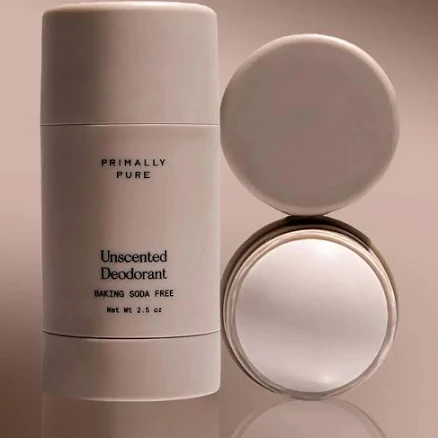
- mineral-based powder blend (arrowroot, magnesium hydroxide, mica)
- We found no PFAS statement from the brand
- Skin irritation from magnesium hydroxide alkalinity
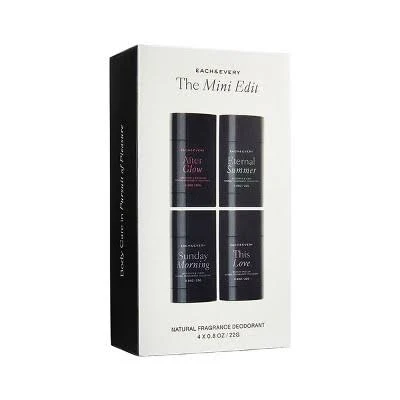
- cosmetic formulations, primary ingredients listed
- A third party reports verifying it as PFAS-free
- Fragrance allergens (natural essential oils)
2 hazards checked on this product, all on its full breakdown.
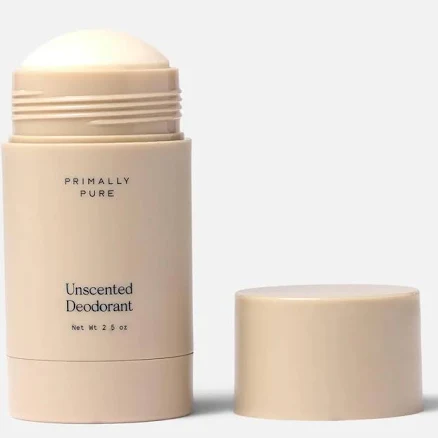
- natural mineral powders, plant-based actives, beeswax
- We found no PFAS statement from the brand
- Beeswax purity and contamination
2 hazards checked on this product, all on its full breakdown.
More deodorant grades
How we score, every product runs through the same public 0-100 rubric based on materials, coatings, brand disclosure, lab findings, and recalls. See the full methodology → Spotted a mistake? Report an error.