American Metalcraft · Pizza Stones & Baking Surfaces
PSB16 Black Round Cordierite Pizza Stone 16 Inch, Is It Non-Toxic?
Low PFAS concern. Bare cordierite stone, no coatings disclosed.
Cordierite is a naturally occurring ceramic mineral with no applied surface treatments. No PFAS-based coatings are typical for unglazed pizza stones.
We flunk more products than we pass. This one earned its grade. How we grade
Material
cordierite (ceramic mineral)
Brand disclosure
Brand is silent on PFAS
Lab data
No public lab test
You may also be interested in
Top-graded picks in the categories readers replace first, every one scored on the same rubric.

- polypropylene filter housing, carbon/sediment cartridge
- We found no PFAS statement from the brand
- Bacterial growth in spent cartridges
3 hazards checked on this product, all on its full breakdown.

Aquasure
Premier Series 75 GPD Under Sink Reverse Osmosis Water Filtration System
- RO membrane, carbon filters, stainless steel housing
- We found no PFAS statement from the brand
- Bacterial and microbial growth in housing and filters
4 hazards checked on this product, all on its full breakdown.

Avocado
Vegan Mattress
- organic cotton, natural latex, coconut coir, recycled steel coils
- The brand calls it PFAS-free, which we have not verified
- Heavy metals
2 hazards checked on this product, all on its full breakdown.
Is PSB16 Black Round Cordierite Pizza Stone non-toxic? What it is made of
Cordierite is a naturally occurring magnesium aluminum silicate mineral, distinct from ceramic glazes or enamels that introduce coating-related risks. Pizza stones are typically unglazed, uncoated cordierite fired to high temperature, which stabilizes the mineral structure and minimizes leaching. American Metalcraft's PSB16 is marketed as bare cordierite with no disclosed surface treatments or glazes. The material's porous nature is intentional, it absorbs and distributes heat evenly, and does not indicate degradation or safety concern.
What’s concerning
Category baseline
The starting point for this type of product, before anything specific to this product is counted.
No PFAS disclosure
No public statement from the brand about PFAS in this product.
Microplastic or particulate shedding
Porous cordierite can shed fine mineral particles if cracked, chipped, or thermally shocked. Risk is low under normal use but increases with poor maintenance or handling. Inspect regularly and discard if surface integrity is visibly compromised.
Thermal shock cracking and fragmentation
Cordierite pizza stones commonly develop hairline cracks or split under rapid temperature changes. While the mineral itself is stable, mechanical failure can expose new surfaces and create sharp edges. This is a durability concern more than a chemical one, but fragmentation should prompt replacement.
What’s reassuring
Bare uncoated material
Recorded as a bare, uncoated material with no surface coating or treatment.
Lead
Uncoated cordierite stone has no glaze, enamel, or ceramic coating on record. No surface treatment disclosed that would introduce lead or cadmium exposure.
Source, ATSDR ↗Aluminum leaching
Cordierite contains aluminum as a structural mineral but is not soluble in food or water at typical cooking pH and temperature. No mechanism for migration into food is established for uncoated cordierite pizza stones.
Coating degradation and off-gassing
No coating, glaze, or surface finish is disclosed for this product. Uncoated cordierite does not off-gas formaldehyde, VOCs, or other volatiles associated with synthetic coatings or adhesives.
How is this PFAS grade calculated?
The brand's record and disclosure
American Metalcraft is a long-established US cookware manufacturer with no public safety recalls or hazard advisories on record for pizza stones. The brand does not actively disclose PFAS testing or heavy-metal certification for this product, which is typical for uncoated cookware in this price segment. No formaldehyde, antimony, or flame-retardant additives are disclosed or expected in cordierite pizza stones. Absence of disclosure does not indicate a problem but reflects standard practice for commodity cookware materials.
How it compares in its category
Uncoated cordierite pizza stones are the baseline safety choice in this category, with lower hazard exposure than enameled cast iron (lead in glaze risk), glazed ceramic (cadmium, lead), or stone coated with synthetic coatings. Cordierite's thermal stability is superior to some cheaper ceramic blends that can crack and shed particles over time. Pizza stones do not typically contain Teflon-type coating, aluminum leaching pathways, or volatile organic compounds (VOCs) associated with cookware coatings. This product sits at the lower-concern end of the pizza stone spectrum.
If you buy it
Season the stone lightly with oil before first use to help seal surface pores and improve performance. Do not use soap, rinse with hot water and dry immediately to prevent moisture absorption and cracking from thermal shock. Check for visible cracks, chips, or discoloration (which may indicate mineral breakdown) after each use; replace if structural integrity appears compromised. Cordierite tolerates oven temperatures up to 2,400°F, so standard pizza ovens and home ovens pose no risk. Avoid sudden temperature changes, always preheat the stone in the oven and never transfer it directly from oven to cold surfaces.
What is not known about PFAS in this product?
- Basis
- Model estimate, 82% confidence, not a lab result
- Lab test
- None on record for this exact product
- Brand statement
- American Metalcraft has made none
Formulations change between production runs, so check the current label. How we grade.
What are the PFAS-free alternatives to PSB16 Black Round Cordierite Pizza Stone 16 Inch?
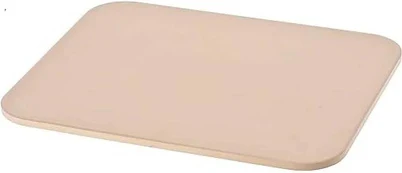
15-Inch Ceramic Pizza Stone for Perfect Crispy Crusts
- Ceramic (clay-based baking stone)
- The brand calls it PFAS-free, which we have not verified
- Glaze degradation and surface leaching
3 hazards checked on this product, all on its full breakdown.
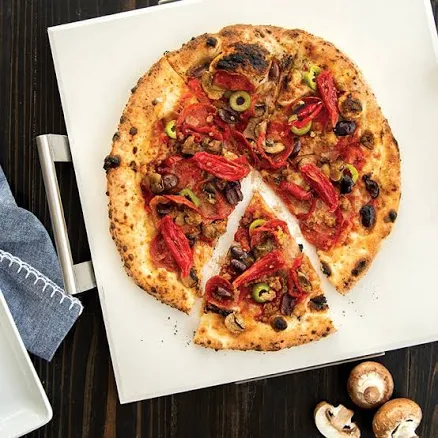
Deluxe Square Pizza Stone with Rack
- ceramic or unglazed stone; no nonstick coating
- The brand calls it PFAS-free, which we have not verified
- Ceramic or stone cracking and fragmentation
2 hazards checked on this product, all on its full breakdown.
More pizza stones & baking surfaces grades
How we score, every product runs through the same public 0-100 rubric based on materials, coatings, brand disclosure, lab findings, and recalls. See the full methodology → Spotted a mistake? Report an error.