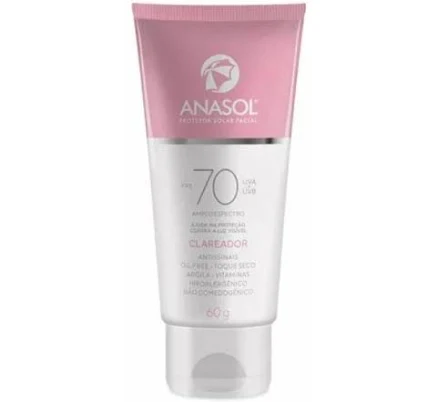
Anasol Protetor Solar Facial
Sunscreen with no fluorinated ingredient on record, and no PFAS statement from the brand.
Anasol has no PFAS statement on record for this sunscreen. Our record does not include an ingredient-level check, so look for fluorinated ingredients such as Teflon-type coating on the label.
We flunk more products than we pass. This one earned its grade. How we grade
Material
Sunscreen (likely organic/mineral UV filters + emollient base)
Brand disclosure
Brand is silent on PFAS
Lab data
No public lab test
You may also be interested in
Top-graded picks in the categories readers replace first, every one scored on the same rubric.

- polypropylene filter housing, carbon/sediment cartridge
- We found no PFAS statement from the brand
- Bacterial growth in spent cartridges
3 hazards checked on this product, all on its full breakdown.

Aquasure
Premier Series 75 GPD Under Sink Reverse Osmosis Water Filtration System
- RO membrane, carbon filters, stainless steel housing
- We found no PFAS statement from the brand
- Bacterial and microbial growth in housing and filters
4 hazards checked on this product, all on its full breakdown.

Avocado
Vegan Mattress
- organic cotton, natural latex, coconut coir, recycled steel coils
- The brand calls it PFAS-free, which we have not verified
- Heavy metals
2 hazards checked on this product, all on its full breakdown.
What Anasol Protetor Solar Facial is made of, ingredients and materials
Anasol Protetor Solar Facial is a facial sunscreen formulation that typically combines UV filters (organic chemical absorbers, mineral blockers, or both), emollients, and preservatives into a cosmetic base. The specific filter type matters because organic UV absorbers can degrade under heat and UV exposure, while mineral filters (zinc oxide, titanium dioxide) are photostable but may leave residue. Without access to the full ingredient declaration, the emollient base and preservative system are potential sources of concern common to all cosmetics.
What’s concerning
Category baseline
The starting point for this type of product, before anything specific to this product is counted.
No PFAS disclosure
No public statement from the brand about PFAS in this product.
Formaldehyde / VOCs
Many cosmetic preservatives used in emulsified sunscreen bases (e.g., imidazolidinyl urea, dmdm hydantoin) can release trace formaldehyde. No specific preservative system is declared in available public records for this product; check the ingredient list for preservative type.
Source, ATSDR ↗Fragrance allergens and sensitizers
Facial sunscreens commonly include fragrance to mask filter odor. Fragrance compounds and essential oils can trigger contact dermatitis or photosensitivity in sensitive individuals. The term 'fragrance' or 'parfum' on the label indicates presence but not specific allergens; patch testing is advised.
UV filter photodegradation and byproducts
Organic UV absorbers (oxybenzone, octinoxate, etc.) degrade when exposed to heat and sunlight, potentially forming byproducts. Storage in warm environments or use on skin with residual sun exposure may reduce efficacy and increase irritation risk. Mineral filters (titanium dioxide, zinc oxide) are photostable but may leave visible residue.
1,4-dioxane contamination in emulsifiers
Ethoxylated emulsifiers and thickeners used in oil-in-water sunscreen bases may contain trace 1,4-dioxane as a manufacturing byproduct. No specific testing data is available for this product; ingredient sourcing and manufacturing controls are unknown.
What’s reassuring
Base material not linked to PFAS
The main material recorded for this product is not one associated with PFAS.
Heavy metals
Titanium dioxide and zinc oxide used in sunscreens are generally well-regulated in cosmetics. No specific contamination or heavy metal recall is on record for Anasol Protetor Solar Facial or the Anasol brand; standard cosmetic regulation compliance is assumed.
Source, FDA ↗How is this PFAS grade calculated?
The brand's record and disclosure
Anasol is a Brazilian skincare brand with limited public third-party safety certifications or transparency statements on file. No PFAS-related stance or ingredient disclosure pledge has been documented. The brand does not appear in major international cosmetic safety databases with established recalls or regulatory actions specific to this product. Ingredient transparency relies on the product label and local Brazilian cosmetic regulation compliance.
How it compares in its category
Facial sunscreens vary widely in filter choice and preservative load. Anasol Protetor Solar Facial sits in the mainstream category with no documented performance or safety data distinguishing it from regional or global competitors. Brands with third-party certifications (e.g., EU Cosmetics Regulation compliance, dermatologist testing claims) or published stability testing offer more transparency. Without comparative testing data, this product cannot be ranked as higher or lower concern than unnamed alternatives.
If you buy it
Apply to clean, dry skin 15 minutes before sun exposure and reapply every 2 hours or after swimming. Perform a 24-hour patch test on a small area of skin to rule out irritation from fragrance, preservatives, or UV filters before full facial use. Store in a cool, dry place away from direct heat and sunlight to preserve UV filter efficacy. Discontinue if rash, irritation, or burning sensation develops and consult a healthcare provider if it persists.
What is not known about PFAS in this product?
- Basis
- Model estimate, 45% confidence, not a lab result
- Lab test
- None on record for this exact product
- Brand statement
- Anasol has made none
Formulations change between production runs, so check the current label. How we grade.
What are the PFAS-free alternatives to Anasol Protetor Solar Facial?
- Mineral sunscreen, zinc oxide base
- A third party reports verifying it as PFAS-free
- 1,4-dioxane (non-intentional contaminant from surfactants/emulsifiers)
2 hazards checked on this product, all on its full breakdown.
- mineral sunscreen (zinc oxide or titanium dioxide base)
- The brand calls it PFAS-free, which we have not verified
- Synthetic fragrance allergens
More sunscreen grades
How we score, every product runs through the same public 0-100 rubric based on materials, coatings, brand disclosure, lab findings, and recalls. See the full methodology → Spotted a mistake? Report an error.