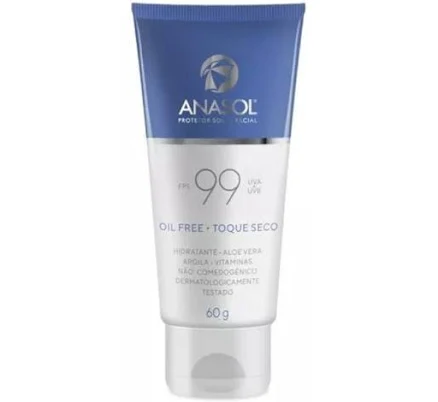
Facial Sunscreen SPF 99 Oil Free Skin Care Moisturizing Protection 60g Anasol
Low-medium concern. Category carries lower risk, but Anasol offers no PFAS transparency.
This oil-free emulsion has no known PFAS-prone manufacturing. The brand makes no public PFAS claims or testing disclosures. Sunscreen typically ranks lower-risk than treated textiles.
We flunk more products than we pass. This one earned its grade. How we grade
Material
Sunscreen emulsion (mineral/chemical UV filters, water, glycerin, oils)
Brand disclosure
Brand is silent on PFAS
Lab data
No public lab test
You may also be interested in
Top-graded picks in the categories readers replace first, every one scored on the same rubric.

- polypropylene filter housing, carbon/sediment cartridge
- We found no PFAS statement from the brand
- Bacterial growth in spent cartridges
3 hazards checked on this product, all on its full breakdown.

Aquasure
Premier Series 75 GPD Under Sink Reverse Osmosis Water Filtration System
- RO membrane, carbon filters, stainless steel housing
- We found no PFAS statement from the brand
- Bacterial and microbial growth in housing and filters
4 hazards checked on this product, all on its full breakdown.

Avocado
Vegan Mattress
- organic cotton, natural latex, coconut coir, recycled steel coils
- The brand calls it PFAS-free, which we have not verified
- Heavy metals
2 hazards checked on this product, all on its full breakdown.
What Facial Sunscreen SPF 99 Oil Free Anasol is made of, ingredients and materials
This is a water-based sunscreen emulsion combining UV filters (likely organic/chemical and/or mineral actives like zinc oxide or titanium dioxide), glycerin humectant, and light oils for spreadability. The 'oil-free' claim suggests minimal occlusive oils but likely contains lightweight silicones or plant-derived alternatives to maintain texture. No published specifications on which UV filters Anasol uses, making it impossible to assess specific filter safety profiles (e.g., oxybenzone vs. lower concern alternatives).
What’s concerning
Category baseline
The starting point for this type of product, before anything specific to this product is counted.
No PFAS disclosure
No public statement from the brand about PFAS in this product.
Chemical UV filter safety (specific actives unknown)
Anasol does not publicly disclose whether it uses oxybenzone, octinoxate, or other debated organic filters vs. lower concern alternatives like avobenzone or non-nano mineral actives. Systemic absorption of certain chemical filters is documented in dermatology literature; without ingredient transparency, risk cannot be fully assessed.
Formaldehyde / VOCs
Water-based emulsions require preservatives to prevent microbial growth. Some budget and mid-market brands use formaldehyde-releasing preservatives (e.g., dmdm hydantoin, imidazolidinyl urea) rather than gentler alternatives. Anasol's preservative system is not publicly listed, making this a blind spot for consumers with formaldehyde sensitivity.
Source, ATSDR ↗Heavy metals
If the SPF 99 claim relies on zinc oxide or titanium dioxide, contamination with lead or cadmium is theoretically possible if ore sourcing is unregulated. No recalls of Anasol sunscreen for heavy metals on record, but lack of third-party testing certification leaves this unverified.
Source, FDA ↗What’s reassuring
Base material not linked to PFAS
The main material recorded for this product is not one associated with PFAS.
Microplastics
No published evidence of microbeads or plastic microparticles in Anasol sunscreen. However, some 'oil-free' sunscreens use spherical silicone or polyethylene microspheres for texture; full ingredient disclosure would be needed to rule this out.
Source, EPA ↗How is this PFAS grade calculated?
The brand's record and disclosure
Anasol maintains minimal public transparency on ingredient sourcing, manufacturing standards, or safety testing. No formal third-party certifications (e.g., EWG Verified, reef-safe, cruelty-free) are readily advertised. The brand has not faced major product recalls or safety controversies on public record, but the lack of proactive disclosure is typical of smaller or regional skincare brands and suggests lower investment in independent verification.
How it compares in its category
Sunscreens marketed as 'moisturizing' with high SPF (99) are common mid-market products. Anasol's positioning sits between budget drugstore formulas and premium brands offering reef-safe, mineral-only, or certified organic options. The absence of publicized certifications or ingredient transparency places it in a cautious middle ground where consumers must rely on brand reputation rather than third-party validation.
If you buy it
Apply a full-coverage amount (quarter-teaspoon for face) 15 minutes before sun exposure and reapply every 2 hours or after swimming. Perform a patch test on inner arm or behind ear first, as fragrances or actives may irritate sensitive skin. Store in cool, dry conditions and discard after 12 months of opening, as UV filter potency degrades over time. If you experience redness, stinging, or rash within 24 hours, discontinue and consider a certified hypoallergenic or mineral-only alternative.
What is not known about PFAS in this product?
- Basis
- Model estimate, 72% confidence, not a lab result
- Lab test
- None on record for this exact product
- Brand statement
- Anasol has made none
Formulations change between production runs, so check the current label. How we grade.
What are the PFAS-free alternatives to Facial Sunscreen SPF 99 Oil Free Skin Care Moisturizing Protection 60g Anasol?
- Mineral sunscreen, zinc oxide base
- A third party reports verifying it as PFAS-free
- 1,4-dioxane (non-intentional contaminant from surfactants/emulsifiers)
2 hazards checked on this product, all on its full breakdown.
- mineral sunscreen (zinc oxide or titanium dioxide base)
- The brand calls it PFAS-free, which we have not verified
- Synthetic fragrance allergens
More sunscreen grades
How we score, every product runs through the same public 0-100 rubric based on materials, coatings, brand disclosure, lab findings, and recalls. See the full methodology → Spotted a mistake? Report an error.