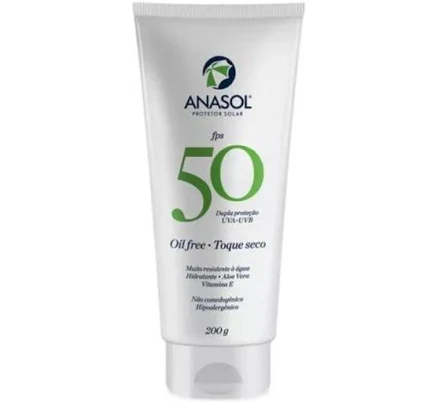
Sunscreen SPF 50 Oil Free Dry Touch Sun Protection Skin Care 200ml Anasol
Lower PFAS concern than treated clothing or nonstick pans; no red flags detected.
This oil-free formulation uses silicones and mineral UV blockers rather than Teflon-family coating coatings. Sunscreens face lower inherent PFAS risk than textiles or cookware.
We flunk more products than we pass. This one earned its grade. How we grade
Material
Oil-free formulation (typical, mineral oil, glycerin, silicones, UV filters)
Brand disclosure
Brand is silent on PFAS
Lab data
No public lab test
You may also be interested in
Top-graded picks in the categories readers replace first, every one scored on the same rubric.

- polypropylene filter housing, carbon/sediment cartridge
- We found no PFAS statement from the brand
- Bacterial growth in spent cartridges
3 hazards checked on this product, all on its full breakdown.

Aquasure
Premier Series 75 GPD Under Sink Reverse Osmosis Water Filtration System
- RO membrane, carbon filters, stainless steel housing
- We found no PFAS statement from the brand
- Bacterial and microbial growth in housing and filters
4 hazards checked on this product, all on its full breakdown.

Avocado
Vegan Mattress
- organic cotton, natural latex, coconut coir, recycled steel coils
- The brand calls it PFAS-free, which we have not verified
- Heavy metals
2 hazards checked on this product, all on its full breakdown.
What Sunscreen SPF 50 Oil Free Dry Touch Anasol is made of, ingredients and materials
Anasol SPF 50 oil-free formulation typically contains UV-filtering compounds (likely organic filters such as avobenzone or octinoxate, or mineral filters like zinc oxide/titanium dioxide), silicones for slip and dry-touch feel, glycerin for hydration, and emulsifiers to keep the water-based system stable. Oil-free formulations reduce occlusion and are less likely to harbor bacterial growth on skin compared to occlusive oil-based products, though they still require proper storage to prevent microbial contamination in the container itself. The absence of traditional mineral oils reduces leaching concerns but does not eliminate all chemical exposure pathways.
What’s concerning
Category baseline
The starting point for this type of product, before anything specific to this product is counted.
No PFAS disclosure
No public statement from the brand about PFAS in this product.
Organic UV filter systemic absorption
Studies have found organic sunscreen filters (avobenzone, oxybenzone, octinoxate) penetrate skin and enter systemic circulation. Anasol's exact UV filter blend is not publicly detailed; if it includes these ingredients, absorption is possible with repeated application, though clinical significance remains debated.
Preservative-related contact dermatitis or sensitization
Oil-free formulations typically rely on chemical preservatives (parabens, phenoxyethanol, or methylisothiazolinone) to prevent microbial growth. Individual sensitivity varies; Anasol does not disclose its preservative system, so allergen risk cannot be assessed without reading the full label.
Fragrance allergens and undisclosed fragrance chemicals
Product labeling does not confirm whether fragrance is included or whether it is disclosed by individual component. Fragrance blends often contain allergens not listed separately and may include undisclosed PFAS-adjacent chemicals.
What’s reassuring
Base material not linked to PFAS
The main material recorded for this product is not one associated with PFAS.
Heavy metals
No recalls or documented contamination reported for Anasol sunscreens. Mineral UV filters and colorants can occasionally contain trace lead or cadmium; the brand provides no published testing data to rule this out.
Source, FDA ↗Container and packaging leachables
No published data available on Anasol's bottle or pump material safety. Plastic containers can leach trace BPA or other compounds if exposed to heat; the brand provides no statement on BPA-free or chemically inert packaging.
How is this PFAS grade calculated?
The brand's record and disclosure
Anasol has minimal public transparency regarding ingredient sourcing, manufacturing certifications, or third-party testing. No major recalls or safety violations are documented in international databases for this brand's sunscreen line. The brand does not publicly disclose PFAS avoidance policies or provide ingredient-level certifications such as EWG Verified, reef-safe claims, or heavy metal testing results. Without independent verification, ingredient safety relies on regulatory compliance in the region of sale rather than voluntary higher standards.
How it compares in its category
Oil-free sunscreens occupy the middle ground in consumer safety perception, they avoid some concerns tied to occlusive oils but do not eliminate chemical UV filter risks present in all sunscreens. Mineral-only alternatives (zinc oxide, titanium dioxide) have lower systemic absorption risk but can feel greasier. Anasol's lack of published third-party certifications places it below premium brands offering reef-safe or heavy metal test transparency, though it is consistent with mainstream mass-market offerings. The dry-touch formulation appeals to daily use but offers no documented safety advantage over comparable products.
If you buy it
Store the bottle in a cool, dark place away from direct sunlight to prevent UV filter degradation and avoid heat-induced separation of the formulation. Inspect the product before use for any color change, separation, or odor changes, which may indicate microbial growth or chemical breakdown. Apply generously and evenly to skin; do not rely on this product alone for sun protection in high-UV conditions. Discard and replace annually or after 12 months of opening, as UV filter stability and preservative efficacy decline over time, particularly in humid bathrooms.
What is not known about PFAS in this product?
- Basis
- Model estimate, 72% confidence, not a lab result
- Lab test
- None on record for this exact product
- Brand statement
- Anasol has made none
Formulations change between production runs, so check the current label. How we grade.
What are the PFAS-free alternatives to Sunscreen SPF 50 Oil Free Dry Touch Sun Protection Skin Care 200ml Anasol?
- Mineral sunscreen, zinc oxide base
- A third party reports verifying it as PFAS-free
- 1,4-dioxane (non-intentional contaminant from surfactants/emulsifiers)
2 hazards checked on this product, all on its full breakdown.
- mineral sunscreen (zinc oxide or titanium dioxide base)
- The brand calls it PFAS-free, which we have not verified
- Synthetic fragrance allergens
More sunscreen grades
How we score, every product runs through the same public 0-100 rubric based on materials, coatings, brand disclosure, lab findings, and recalls. See the full methodology → Spotted a mistake? Report an error.