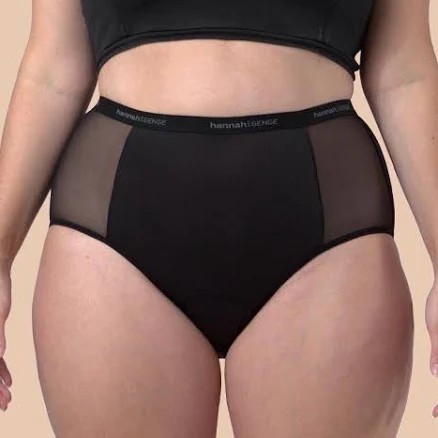
hannahSENSE · Period Underwear
hannahSENSE High Waist Period Underwear
Skip until brand discloses coating type and PFAS status
Period underwear typically uses water-repellent coating-treated fabrics to prevent leaks, which often contain PFAS. Anigan does not publicly disclose coating composition or PFAS testing. Recommend requesting transparency before purchase.
The better-graded swap
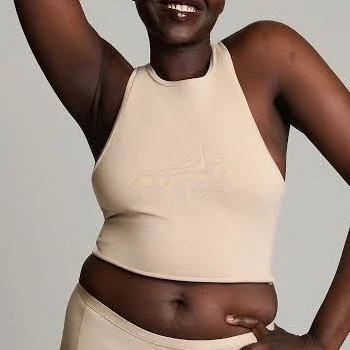
Aisle
Super Hipster
100/100 safety
Same rubric that flunked this product. The swap earned Excellent.
Still want this one anyway? Check the price on Amazon. We’d swap it.
Material
organic cotton blend with waterproof coating
Brand disclosure
Brand is silent on PFAS
Lab data
No public lab test
What hannahSENSE High Waist Period Underwear is made of, ingredients and materials
hannahSENSE uses organic cotton blended with a waterproof coating to create leak protection. Organic cotton avoids synthetic pesticide residues and is gentler on sensitive skin, which matters for period wear worn against delicate tissues for extended periods. The critical unknown is the waterproof layer's chemistry, most period-underwear coatings use either PFC-based PFAS, polyurethane, or silicone to achieve water resistance. Without brand disclosure, the coating's safety profile cannot be verified.
What’s concerning
Waterproof / stain-resistant treatment
Water-repellent coating treatments have historically used PFAS.
Category baseline
The starting point for this type of product, before anything specific to this product is counted.
No PFAS disclosure
No public statement from the brand about PFAS in this product.
PFAS
Waterproof coatings in period underwear commonly contain PFAS (fluorocarbon compounds) or untested polyurethane alternatives. Anigan's silence prevents assessment; contact brand for composition before purchase.
Source, ATSDR ↗Coating degradation and microparticle shedding
Repeated washing and body heat degrade synthetic coatings over time, potentially releasing microparticles into vaginal and urinary environments. No published data exists on hannahSENSE coating stability, making lifespan prediction uncertain.
Skin irritation from coating materials or residues
Polyurethane or uncured resin coatings can trigger contact dermatitis or vulvovaginal irritation in sensitive individuals, particularly during prolonged contact. Those with reactive skin should test on a small area or seek brand assurance on hypoallergenic coating standards.
What’s reassuring
Formaldehyde / VOCs
Organic cotton reduces but does not eliminate formaldehyde-based dye fixatives or shrink-resist finishes. No specific formaldehyde alerts on record for this product; washing before first wear reduces any residual exposure.
Source, ATSDR ↗Azo dyes (colorfast synthetic dyes)
Dark-colored period underwear typically uses azo or reactive dyes. Organic certification may reduce hazardous azo dye use, but no independent testing results are publicly available for hannahSENSE colorants.
The full breakdown
The brand's record and disclosure
Anigan has not published transparent information about the specific waterproof coating chemistry or PFAS testing status for hannahSENSE, despite this being standard practice among safety-conscious period-product brands. No major recalls or safety controversies are on record for this product line. The silence on coating materials is notably different from competitors like Thinx and Knix, which have publicly committed to PFAS phase-outs or transparent supplier documentation.
How it compares in its category
Period underwear as a category has faced increasing scrutiny over waterproof-layer PFAS since 2021 investigations. Products using purely mechanical (non-chemical) barriers or disclosed PFC-free polyurethane are considered lower-risk; hannahSENSE's lack of disclosure puts it in a middle position pending brand response. The organic cotton base is a strength compared to polyester-dominant alternatives, but does not offset coating uncertainty.
If you buy it
Contact Anigan directly before purchase and request documentation of waterproof-coating materials and third-party PFAS testing results. Wash new underwear separately in cool water before wearing to reduce any potential initial leachables. Machine wash in cool to warm water; high heat can accelerate coating degradation. Replace every 1-2 years or when absorbency or coating integrity visibly declines, and dispose responsibly (textile recycling if available).
What we don’t know
- Basis
- Model estimate, 45% confidence, not a lab result
- Lab test
- None on record for this exact product
- Brand statement
- hannahSENSE has made none
Formulations change between production runs, so check the current label. How we grade.
Better-graded alternatives in Period Underwear

Ruby Love
Rubylove First Period Kit +teen Period Underwear
- organic cotton, waterproof backing layer
- A third party reports verifying it as PFAS-free
- Coating degradation and microparticle shedding
2 hazards checked on this product. See all of them.
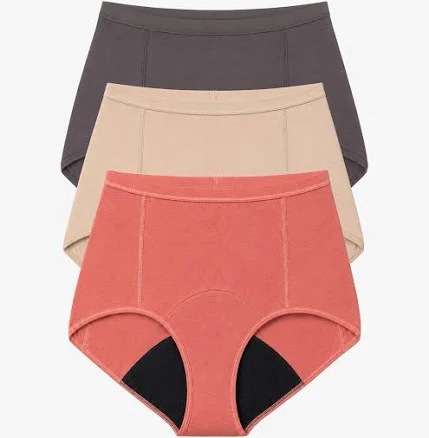
Lunapads
3-Pack BOOST Brief
- organic cotton blend, water-resistant gusset
- The brand calls it PFAS-free, which we have not verified
- Microplastic shedding from water-resistant barrier
Aisle
Super Hipster
- Organic cotton, wood pulp fiber
- The brand calls it PFAS-free, which we have not verified
- Azo dyes and synthetic dyes
2 hazards checked on this product. See all of them.
More period underwear grades
How we score, every product runs through the same public 0-100 rubric based on materials, coatings, brand disclosure, lab findings, and recalls. See the full methodology → Spotted a mistake? Report an error.