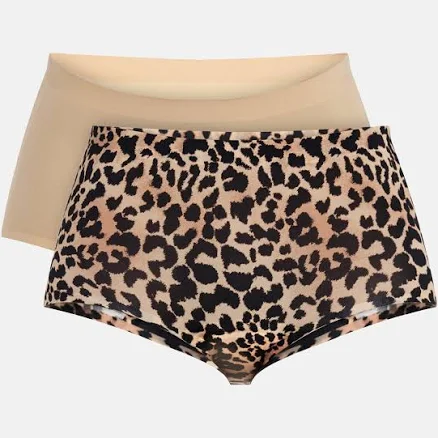
No Boundaries · Period Underwear
No Boundaries Boyshort Super Absorbency Period Underwear 2-Pack Womens
Period absorbent underwear; waterproof coating creates PFAS risk.
Proof's period underwear uses a water-resistant coating to contain fluid, a common PFAS application. Brand provides no PFAS disclosure or third-party verification.
The better-graded swap
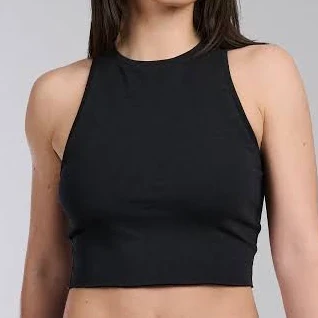
Aisle
Aisle Essential Period Hipster leakproof
90/100 safety
Same rubric that flunked this product. The swap earned Excellent.
Still want this one anyway? Check the price on Amazon. We’d swap it.
Material
Cotton blend with water-resistant coating
Brand disclosure
Brand is silent on PFAS
Lab data
No public lab test
You may also be interested in
Top-graded picks in the categories readers replace first, every one scored on the same rubric.

- polypropylene filter housing, carbon/sediment cartridge
- We found no PFAS statement from the brand
- Bacterial growth in spent cartridges
3 hazards checked on this product, all on its full breakdown.

Aquasure
Premier Series 75 GPD Under Sink Reverse Osmosis Water Filtration System
- RO membrane, carbon filters, stainless steel housing
- We found no PFAS statement from the brand
- Bacterial and microbial growth in housing and filters
4 hazards checked on this product, all on its full breakdown.

Avocado
Vegan Mattress
- organic cotton, natural latex, coconut coir, recycled steel coils
- The brand calls it PFAS-free, which we have not verified
- Heavy metals
2 hazards checked on this product, all on its full breakdown.
What No Boundaries Boyshort Super 2-Pack Womens is made of, ingredients and materials
No Boundaries period underwear is a cotton blend with a water-resistant coating designed to lock in fluids without leaking. The waterproof layer is the critical component, most mass-market period underwear uses fluorochemical coatings (Teflon-type coating-based or similar) to achieve water resistance, which introduces PFAS compounds. Cotton itself is low-risk, but the synthetic coating's durability and eventual degradation determine exposure over the product's lifespan.
What’s concerning
Waterproof / stain-resistant treatment
Water-repellent coating treatments have historically used PFAS.
Category baseline
The starting point for this type of product, before anything specific to this product is counted.
No PFAS disclosure
No public statement from the brand about PFAS in this product.
PFAS
Period underwear waterproof layers typically rely on fluorochemical chemistry; Proof's silence on ingredient sourcing and testing suggests use of conventional coatings. Repeated skin contact over years of use and coating degradation increase exposure risk.
Source, ATSDR ↗Microfiber shedding from synthetic coating
Degradation of the water-resistant layer over time and with washing can release microfibers; while not chemically toxic per se, ingestion or inhalation of microplastics is a growing concern. Machine drying and heat accelerate this process.
Bacterial growth under waterproof barrier if poorly maintained
The occlusive nature of the water-resistant coating can trap moisture and bacteria against skin if the product is not rinsed promptly or allowed to dry thoroughly. This is a hygiene and infection risk specific to the design, not a chemical hazard.
Coating leaching into skin or bloodstream via absorption
Direct prolonged contact with water-resistant coating on mucous-adjacent skin may allow transdermal absorption of coating components or breakdown products, especially if the barrier is compromised or degraded. Quantified risk is unknown due to absence of brand testing data.
What’s reassuring
Formaldehyde / VOCs
No public disclosure or recall history indicates azo dye or formaldehyde resin use in Proof products; however, mass-market cotton blends sometimes include these finishes. Lack of certification (e.g., OEKO-TEX) leaves this unconfirmed.
Source, ATSDR ↗How is this PFAS grade calculated?
The brand's record and disclosure
Proof (the parent brand) has not publicly disclosed PFAS testing results, material sourcing standards, or a commitment to phasing out fluorochemical water-resistant coatings. The brand maintains a silent stance on PFAS content in their period products, which is typical of mass-market retailers but inconsistent with transparency leaders like Thinx or Knix (who explicitly test and disclose). No major recalls or safety controversies have been documented for this specific product line.
How it compares in its category
No Boundaries sits in the budget-friendly segment of period underwear; most competitors at this price point also use PFAS-containing water-resistant coatings without disclosure. Premium brands (Thinx, Knix, Proof's own higher lines) increasingly disclose or avoid fluorochemicals, but transparency is not yet standard in the mass-market tier. The cotton blend is unremarkable; the coating chemistry is where this product underperforms on safety disclosure relative to category leaders.
If you buy it
Wash in cold water and air-dry to extend the water-resistant coating's lifespan and minimize microfiber shedding and heat-related degradation. Do not machine dry or expose to high heat, which can accelerate coating breakdown and potential leaching. Replace every 1-2 years or when absorbency visibly declines; discard worn pairs responsibly (do not incinerate). Rinse immediately after use to reduce bacterial buildup under the waterproof layer.
What is not known about PFAS in this product?
- Basis
- Model estimate, 55% confidence, not a lab result
- Lab test
- None on record for this exact product
- Brand statement
- No Boundaries has made none
Formulations change between production runs, so check the current label. How we grade.
What are the PFAS-free alternatives to No Boundaries Boyshort Super Absorbency Period Underwear 2-Pack Womens?

- organic cotton, waterproof backing layer
- A third party reports verifying it as PFAS-free
- Coating degradation and microparticle shedding
2 hazards checked on this product, all on its full breakdown.
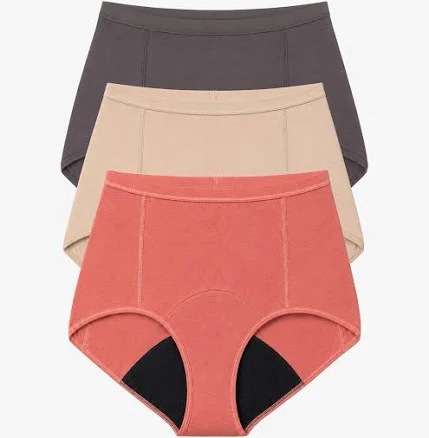
- organic cotton blend, water-resistant gusset
- The brand calls it PFAS-free, which we have not verified
- Microplastic shedding from water-resistant barrier

- Organic cotton, wood pulp fiber
- The brand calls it PFAS-free, which we have not verified
- Azo dyes and synthetic dyes
2 hazards checked on this product, all on its full breakdown.
More period underwear grades
How we score, every product runs through the same public 0-100 rubric based on materials, coatings, brand disclosure, lab findings, and recalls. See the full methodology → Spotted a mistake? Report an error.