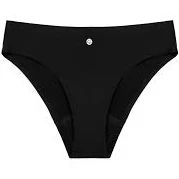
Period Underwear
Unspecified waterproof coating raises concern; brand silent on PFAS.
Period underwear uses an undisclosed waterproof treatment to prevent leaking. No public PFAS disclosure or third-party testing available; waterproof textiles commonly use PFAS-based water-repellent coating finishes.
The better-graded swap

Ruby Love
Rubylove First Period Kit +teen Period Underwear
100/100 safety
Same rubric that flunked this product. The swap earned Excellent.
Still want this one anyway? Check the price on Amazon. We’d swap it.
Material
Cotton/synthetic blend with waterproof coating (unspecified)
Brand disclosure
Brand is silent on PFAS
Lab data
No public lab test
What Period Underwear is made of, ingredients and materials
Period underwear uses a cotton/synthetic blend with an unspecified waterproof coating. The cotton portion is inherently low-risk for chemical hazards, but the synthetic blend (likely polyester or nylon) and especially the waterproof layer are where concern arises. Waterproof coatings on textiles historically use PFOA/PFOS or fluorine-based alternatives to repel moisture; without brand disclosure of the specific coating chemistry, the composition remains a black box. Over time, coatings can degrade with washing and body heat, potentially releasing microparticles or chemical residues.
What’s concerning
Waterproof / stain-resistant treatment
Water-repellent coating treatments have historically used PFAS.
Category baseline
The starting point for this type of product, before anything specific to this product is counted.
No PFAS disclosure
No public statement from the brand about PFAS in this product.
Formaldehyde / VOCs
Cotton/synthetic blends may use formaldehyde-based dyes or wrinkle-resist finishes. No documentation of the brand's dyeing or finishing process; standard industry practice includes such treatments unless otherwise certified.
Source, ATSDR ↗Azo dyes
Synthetic blends commonly use azo dyes for color. The brand does not specify dye chemistry; some azo dyes can break down into carcinogenic amines under skin conditions or sweat. Not a confirmed issue, but standard risk in undisclosed dye sourcing.
Microplastics
Waterproof coatings on textiles shed microparticles with wear and washing. Period underwear spends many hours in contact with sensitive skin and enters wash/water systems; degraded coating fragments pose both dermal and environmental exposure.
Source, EPA ↗Antimony in polyester
Polyester in the synthetic blend may contain antimony (a catalyst used in production). While migration to skin is typically low, the brand's silence on material sourcing leaves this unconfirmed. High-grade suppliers disclose antimony absence or limits.
PFAS
Coatings marketed as PFAS-free (TPU, silicones, wax) carry their own health profiles. Without specification, you cannot assess whether the coating uses skin-safe, low-VOC, or biodegradable chemistries. This opacity is the core hazard.
Source, ATSDR ↗The full breakdown
The brand's record and disclosure
The brand has not publicly disclosed the specific chemistry of its waterproof coating or made certified statements about PFAS avoidance. No independent certifications (such as Oeko-Tex, GOTS, or ZDHC Gateway) are documented for this product line, which would normally provide third-party assurance of chemical safety. The brand's silence on a key material component is the primary red flag; transparent brands typically specify coating type (e.g., 'Teflon-type coating-free, PFC-free polyurethane') in product descriptions or safety documentation.
How it compares in its category
Period underwear as a category carries inherent moisture-barrier requirements, making waterproof coatings nearly universal. Competitors vary widely, some disclose PFAS-free coatings explicitly (e.g., polyester/nylon + TPU or wax-based barriers), while others remain silent like the brand. Cotton-only or certified-organic alternatives exist but sacrifice absorbency and longevity. The brand's lack of transparency places it in the middle-to-lower tier of accountability within a category where coating choice is a major safety differentiator.
If you buy it
Wash in cool water (not hot) to minimize coating degradation and microparticle shedding. Air dry rather than machine dry, as heat accelerates polymer breakdown. Replace every 1-2 years or sooner if the waterproof layer shows wear, cracking, or reduced absorbency. Consider this a high-rotation item rather than a long-term keeper. Before purchase, contact directly and ask for the coating material name; a transparent answer suggests lower chemical risk than continued silence.
What we don’t know
- Basis
- Model estimate, 45% confidence, not a lab result
- Lab test
- None on record for this exact product
- Brand statement
- has made none
Formulations change between production runs, so check the current label. How we grade.
Better-graded alternatives in Period Underwear
Ruby Love
Rubylove First Period Kit +teen Period Underwear
- organic cotton, waterproof backing layer
- A third party reports verifying it as PFAS-free
- Coating degradation and microparticle shedding
2 hazards checked on this product. See all of them.
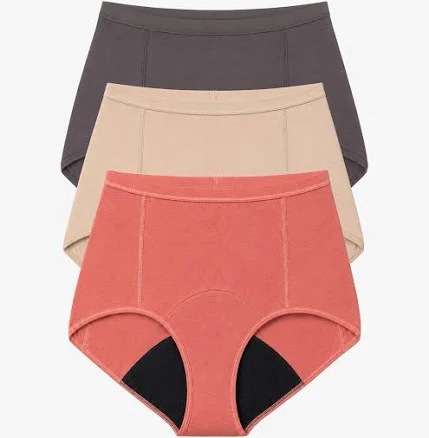
Lunapads
3-Pack BOOST Brief
- organic cotton blend, water-resistant gusset
- The brand calls it PFAS-free, which we have not verified
- Microplastic shedding from water-resistant barrier
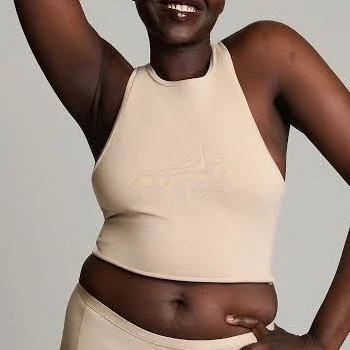
Aisle
Super Hipster
- Organic cotton, wood pulp fiber
- The brand calls it PFAS-free, which we have not verified
- Azo dyes and synthetic dyes
2 hazards checked on this product. See all of them.
More period underwear grades
How we score, every product runs through the same public 0-100 rubric based on materials, coatings, brand disclosure, lab findings, and recalls. See the full methodology → Spotted a mistake? Report an error.