
Thinx Intimates & Sleepwear Thinx for All Women's Period Underwear
Skip until Thinx reveals waterproof coating chemistry and testing.
Waterproof barriers in period underwear commonly use PFAS-based water-repellent coating coatings. Thinx doesn't disclose its coating materials or test results.
The better-graded swap
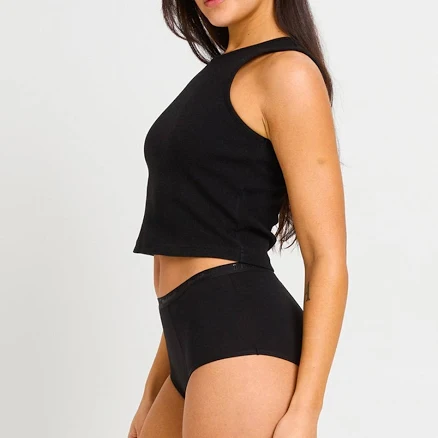
Modibodi
Modibodi Basic Full Period Brief
90/100 safety
Same rubric that flunked this product. The swap earned Excellent.
Still want this one anyway? Check the price on Amazon. We’d swap it.
Material
Nylon, spandex, cotton blend with waterproof barrier layer
Lab data
No public lab test
You may also be interested in
Top-graded picks in the categories readers replace first, every one scored on the same rubric.

- polypropylene filter housing, carbon/sediment cartridge
- We found no PFAS statement from the brand
- Bacterial growth in spent cartridges
3 hazards checked on this product, all on its full breakdown.

Aquasure
Premier Series 75 GPD Under Sink Reverse Osmosis Water Filtration System
- RO membrane, carbon filters, stainless steel housing
- We found no PFAS statement from the brand
- Bacterial and microbial growth in housing and filters
4 hazards checked on this product, all on its full breakdown.

Avocado
Vegan Mattress
- organic cotton, natural latex, coconut coir, recycled steel coils
- The brand calls it PFAS-free, which we have not verified
- Heavy metals
2 hazards checked on this product, all on its full breakdown.
What Thinx Intimates Period Underwear is made of, ingredients and materials
Thinx period underwear uses a nylon-spandex-cotton blend with an undisclosed waterproof barrier layer that almost certainly relies on PFAS (per-fluorinated compounds) or similar hydrophobic coatings to repel menstrual fluid. The absorbent layer sits against skin for extended periods, creating potential for leachable chemicals to migrate during wear and washing. Cotton content provides some breathability, but the waterproof barrier is the functional, and chemically opaque, core of the product.
What’s concerning
Category baseline
The starting point for this type of product, before anything specific to this product is counted.
No PFAS disclosure
No public statement from the brand about PFAS in this product.
Waterproof / stain-resistant treatment
Water-repellent coating treatments have historically used PFAS.
PFAS
Thinx's 2021 lawsuit settlement involved PFAS contamination; the company has not disclosed current waterproofing formulation or testing, making ongoing PFAS presence a reasonable assumption without proof of reformulation.
Source, ATSDR ↗Azo dyes in synthetic fibers
Nylon and spandex blends may be dyed with azo compounds, which can produce allergenic aromatic amines under wear and laundering stress. No third-party certifications (OEKO-TEX) limit this risk.
Microplastics
Nylon and spandex are microplastic sources when mechanically stressed (washing, wear). Extended skin contact and laundering cycles mean this product is a direct exposure pathway, especially if the waterproof barrier degrades.
Source, EPA ↗Coating adhesion and leaching as barrier degrades
No manufacturer data on barrier lifespan; typical waterproof fabric coatings begin to flake or lose adhesion after 50-100 washes. Flaked coating particles contacting skin or entering washwater pose unknown exposure.
Formaldehyde / VOCs
Cotton-spandex blends sometimes use formaldehyde-containing resins for shape-hold and wrinkle resistance. Thinx does not disclose use of such finishes; cold-water washing may mitigate but not eliminate residual exposure.
Source, ATSDR ↗How is this PFAS grade calculated?
The brand's record and disclosure
Thinx has faced lawsuits (settled in 2021) over undisclosed PFAS in their product, yet the company has not published waterproof coating chemistry, PFAS testing results, or commitment to PFAS-free alternatives. The brand markets sustainability and body safety but does not provide third-party certifications (OEKO-TEX, GOTS, or similar) that would independently verify chemical safety. This silence on a known issue is a transparency red flag in a category where competitors increasingly disclose their approaches.
How it compares in its category
Period underwear competitors vary widely, some brands (Knixwear, Dear Kate) have begun disclosing PFAS-free or reduced-PFAS waterproofing; others remain opaque. Thinx's market leadership makes its non-disclosure more concerning, as it signals that market dominance does not require chemical accountability. Traditional menstrual products (tampons, pads) avoid prolonged skin contact with waterproofing layers, making period underwear a higher-exposure category overall.
If you buy it
Wash new underwear before first use to reduce potential surface residue. Wash in cold water with mild detergent and air-dry; heat (dryer, hot water) may degrade the waterproof barrier and risk coating flake-off. Replace every 6-12 months depending on frequency of use and visible wear; degraded barriers may lose water resistance and expose the nylon-spandex blend. Monitor for any skin irritation and consider rotating with traditional products to reduce cumulative exposure time.
What is not known about PFAS in this product?
- Basis
- Model estimate, 55% confidence, not a lab result
- Lab test
- None on record for this exact product
- Brand statement
- Thinx has made a specific claim
Formulations change between production runs, so check the current label. How we grade.
What are the PFAS-free alternatives to Thinx Intimates & Sleepwear Thinx for All Women's Period Underwear?

- organic cotton, waterproof backing layer
- A third party reports verifying it as PFAS-free
- Coating degradation and microparticle shedding
2 hazards checked on this product, all on its full breakdown.
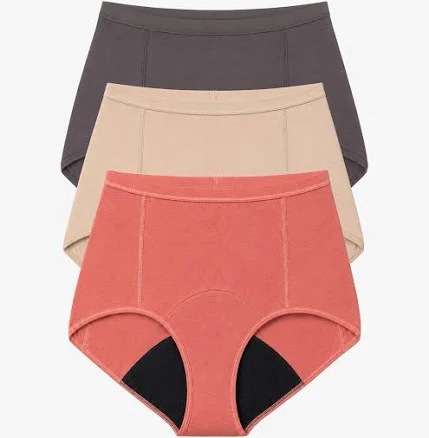
- organic cotton blend, water-resistant gusset
- The brand calls it PFAS-free, which we have not verified
- Microplastic shedding from water-resistant barrier

- Organic cotton, wood pulp fiber
- The brand calls it PFAS-free, which we have not verified
- Azo dyes and synthetic dyes
2 hazards checked on this product, all on its full breakdown.
More period underwear grades
How we score, every product runs through the same public 0-100 rubric based on materials, coatings, brand disclosure, lab findings, and recalls. See the full methodology → Spotted a mistake? Report an error.