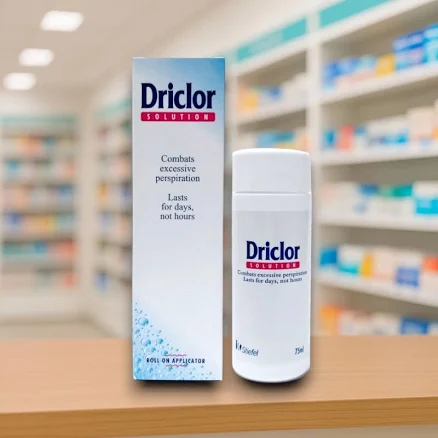
Antiperspirant Driclor · Deodorant
Driclor Anti-perspirant 60ml
Lower concern, no known PFAS triggers but limited transparency.
This aluminum chloride solution antiperspirant contains no typical PFAS-associated coatings or water-repellent treatments. Brand doesn't disclose PFAS absence.
We flunk more products than we pass. This one earned its grade. How we grade
Material
Aluminium chloride active, liquid aqueous solution in plastic bottle
Brand disclosure
Brand is silent on PFAS
Lab data
No public lab test
You may also be interested in
Top-graded picks in the categories readers replace first, every one scored on the same rubric.

- polypropylene filter housing, carbon/sediment cartridge
- We found no PFAS statement from the brand
- Bacterial growth in spent cartridges
3 hazards checked on this product, all on its full breakdown.

Aquasure
Premier Series 75 GPD Under Sink Reverse Osmosis Water Filtration System
- RO membrane, carbon filters, stainless steel housing
- We found no PFAS statement from the brand
- Bacterial and microbial growth in housing and filters
4 hazards checked on this product, all on its full breakdown.

Avocado
Vegan Mattress
- organic cotton, natural latex, coconut coir, recycled steel coils
- The brand calls it PFAS-free, which we have not verified
- Heavy metals
2 hazards checked on this product, all on its full breakdown.
What Driclor Anti-perspirant 60ml is made of, ingredients and materials
Driclor is a liquid solution of aluminum chloride hexahydrate in water, typically at 20% concentration, formulated for topical application on skin. Aluminum chloride works by forming insoluble aluminum hydroxide complexes that plug sweat ducts, unlike aluminum salts in standard antiperspirants. The aqueous base minimizes solvent toxicity, though the aluminum concentration is substantially higher than over-the-counter products, making it a prescription-strength or high-potency treatment.
What’s concerning
Category baseline
The starting point for this type of product, before anything specific to this product is counted.
No PFAS disclosure
No public statement from the brand about PFAS in this product.
Aluminum absorption and systemic exposure
Driclor delivers aluminum chloride at high concentration directly to skin; while most aluminum remains at application sites, transdermal absorption can occur, particularly on irritated skin or with occlusion. Long-term exposure profiles are not exhaustively studied in the literature, though regulatory bodies (FDA, EMA) have not issued restrictions on topical aluminum antiperspirants based on avail
Skin irritation and allergic contact dermatitis
Aluminum chloride solutions are known irritants; published case reports document localized burning, erythema, and allergic reactions with this product class, especially in users with sensitive skin or dermatologic conditions. Risk is higher with Driclor than standard antiperspirants due to concentration and is dose-dependent.
Hypersensitivity reactions to aluminum salts
Some individuals have documented delayed or immediate hypersensitivity to aluminum compounds; while rare, reactions can range from localized urticaria to angioedema. Patch testing is recommended for users with history of metal sensitivity before regular use of high-potency antiperspirants.
Solution stability and contamination if cap left loose
As a liquid aqueous solution without added preservatives or minimal preservation, Driclor can support microbial growth or evaporation if stored improperly or cap is left unsealed. This is a practical storage hazard rather than an inherent product defect.
What’s reassuring
Base material not linked to PFAS
The main material recorded for this product is not one associated with PFAS.
Container leachables from plastic bottle
No published recalls or warnings specific to Driclor's plastic packaging leaching contaminants into the solution. The aqueous, acidic nature of aluminum chloride could theoretically promote leaching of plasticizers, but no evidence of this has been documented in regulatory filings or scientific literature for this product.
How is this PFAS grade calculated?
The brand's record and disclosure
Driclor (owned by various manufacturers including Stiefel, now LEO Pharma) has a long market history dating to the 1970s with no major safety recalls in public databases. The brand does not actively market PFAS-free claims; ingredient disclosure is standard and aluminum chloride is clearly listed. No established controversies regarding undisclosed contaminants or regulatory violations are recorded, though transparency on manufacturing standards and heavy metal testing is not explicitly published.
How it compares in its category
Driclor is positioned as a high-strength antiperspirant for hyperhidrosis (excessive sweating), not a cosmetic deodorant. It contains a much higher aluminum concentration than typical roll-ons or sprays, making it more effective but also more prone to irritation if misused. Compared to gentler alternatives like stick antiperspirants or powder-based products, Driclor requires more careful application guidance and is not suitable for daily whole-body use.
If you buy it
Apply only to clean, dry skin in thin layers, typically at night, and allow to dry fully before dressing to minimize skin irritation and staining. Do not use on broken, irritated, or newly shaved skin; wait at least 12-24 hours after shaving. Discontinue immediately if severe dermatitis, swelling, or systemic symptoms occur. Store in a cool place away from direct heat, as the solution can degrade; replace if discoloration or separation occurs.
What is not known about PFAS in this product?
- Basis
- Model estimate, 72% confidence, not a lab result
- Lab test
- None on record for this exact product
- Brand statement
- Antiperspirant Driclor has made none
Formulations change between production runs, so check the current label. How we grade.
What are the PFAS-free alternatives to Driclor Anti-perspirant 60ml?
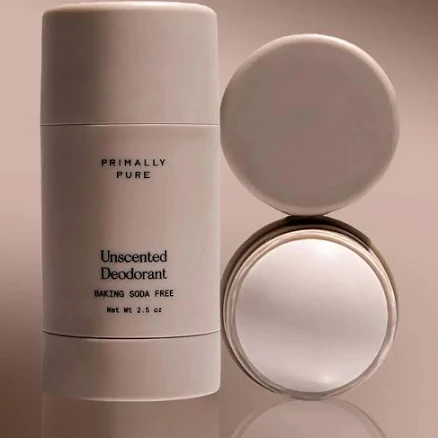
- mineral-based powder blend (arrowroot, magnesium hydroxide, mica)
- We found no PFAS statement from the brand
- Skin irritation from magnesium hydroxide alkalinity
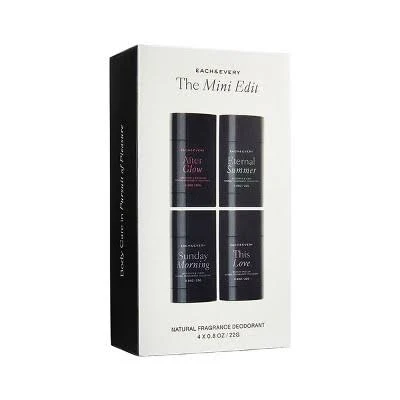
- cosmetic formulations, primary ingredients listed
- A third party reports verifying it as PFAS-free
- Fragrance allergens (natural essential oils)
2 hazards checked on this product, all on its full breakdown.
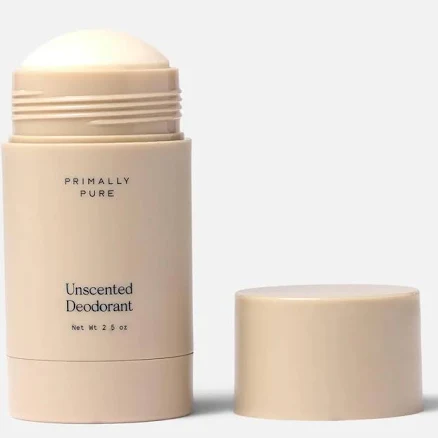
- natural mineral powders, plant-based actives, beeswax
- We found no PFAS statement from the brand
- Beeswax purity and contamination
2 hazards checked on this product, all on its full breakdown.
More deodorant grades
How we score, every product runs through the same public 0-100 rubric based on materials, coatings, brand disclosure, lab findings, and recalls. See the full methodology → Spotted a mistake? Report an error.