Antiperspirant Driclor · Deodorant
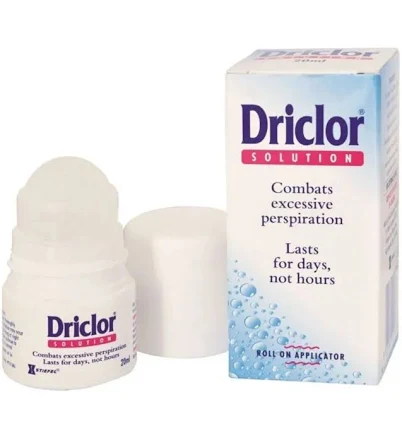
Driclor Roll On Applicator Antiperspirant 20ml
Lower concern, standard antiperspirant active lacks known PFAS use.
This aluminum chloride hexahydrate solution lacks fluorinated polymer coatings or water-resistant treatments typical of PFAS use. No public PFAS disclosure found.
We flunk more products than we pass. This one earned its grade. How we grade
Material
Aluminium chloride hexahydrate solution in roll-on applicator
Brand disclosure
Brand is silent on PFAS
Lab data
No public lab test
You may also be interested in
Top-graded picks in the categories readers replace first, every one scored on the same rubric.

- polypropylene filter housing, carbon/sediment cartridge
- We found no PFAS statement from the brand
- Bacterial growth in spent cartridges
3 hazards checked on this product, all on its full breakdown.

Aquasure
Premier Series 75 GPD Under Sink Reverse Osmosis Water Filtration System
- RO membrane, carbon filters, stainless steel housing
- We found no PFAS statement from the brand
- Bacterial and microbial growth in housing and filters
4 hazards checked on this product, all on its full breakdown.

Avocado
Vegan Mattress
- organic cotton, natural latex, coconut coir, recycled steel coils
- The brand calls it PFAS-free, which we have not verified
- Heavy metals
2 hazards checked on this product, all on its full breakdown.
What Driclor Roll On Applicator Antiperspirant is made of, ingredients and materials
Driclor Roll On contains aluminum chloride hexahydrate, a salt solution that works by forming a plug in sweat ducts. Unlike Teflon-type coating-based nonstick coatings or phthalate-softened plastics, aluminum chloride is a simple mineral compound with no known involvement in endocrine disruption or persistent bioaccumulation at consumer-use concentrations. The roll-on applicator is typically plastic with a rotary ball; the hazard profile depends on applicator material identity, which Driclor does not publicly disclose in detail.
What’s concerning
Category baseline
The starting point for this type of product, before anything specific to this product is counted.
No PFAS disclosure
No public statement from the brand about PFAS in this product.
Aluminum absorption and systemic exposure
Topical aluminum chloride absorption through intact skin is considered minimal by FDA and dermatology literature, but chronic high-concentration use on large body areas theoretically increases systemic aluminum load. Long-term safety at this concentration (20%) in vulnerable populations (renal impairment, pediatric use) remains incompletely studied in peer review.
Skin irritation and corrosivity
Aluminum chloride is hygroscopic and mildly acidic; users frequently report localized burning, erythema, and allergic contact dermatitis, particularly on sensitive or freshly shaved skin. This is a known use-limitation, not a manufacturing defect, and is documented in product warnings.
Bacterial and fungal growth in roll-on mechanism
The roll-on ball and reservoir create a warm, moist microenvironment where Staphylococcus aureus, Candida, and other skin commensals can proliferate if the applicator is contaminated or stored improperly. Regular cleaning of the ball and cap is not a standard user instruction but could reduce microbial load.
Hyperpigmentation and staining
Long-term use of high-concentration aluminum chloride can cause yellow or brown discoloration of clothing and, rarely, temporary skin staining or hyperpigmentation in sensitive individuals. This is cosmetic rather than a toxicological hazard but indicates chemical reactivity with fabric and melanin.
What’s reassuring
Base material not linked to PFAS
The main material recorded for this product is not one associated with PFAS.
Roll-on applicator material leachables
Driclor does not publicly identify the plastic polymer (polypropylene vs. polyethylene vs. PET) of the applicator housing or ball material. If PVC or recycled plastic, phthalate or BPA leaching into the aqueous aluminum chloride solution is theoretically possible but has not been reported or tested in available literature.
How is this PFAS grade calculated?
The brand's record and disclosure
Driclor (Stiefel/GlaxoSmithKline) maintains a neutral public stance on PFAS and does not advertise third-party safety certifications for this product line. No major product recalls, skin sensitization class actions, or heavy-metal contamination incidents are on record. The brand does not publish ingredient sourcing, manufacturing site audits, or material safety data sheets for consumer-facing variants, a standard industry practice but not a negative flag.
How it compares in its category
Driclor's aluminum chloride concentration (approximately 20%) is higher than typical consumer antiperspirants (e.g., Dove, Secret at 10-15%) but lower than clinical-strength alternatives like Certain Dri. It occupies a mid-tier efficacy position without reported accumulation of safety complaints relative to peers. Roll-on applicators are less prone to inhalation risk than aerosol sprays, reducing Teflon-type coating fume exposure risk common in powder-based formulations.
If you buy it
Apply only to dry skin and avoid contact with eyes, mouth, and broken skin; aluminum chloride is corrosive and can sting on irritated areas. Replace the product if visible mold, separation, or odor changes appear, signaling bacterial colonization in the roll-on ball mechanism. Store in a cool, dry place away from direct heat; do not microwave or heat the applicator. Discontinue if persistent rash, severe irritation, or hyperpigmentation develops and consult a dermatologist.
What is not known about PFAS in this product?
- Basis
- Model estimate, 72% confidence, not a lab result
- Lab test
- None on record for this exact product
- Brand statement
- Antiperspirant Driclor has made none
Formulations change between production runs, so check the current label. How we grade.
What are the PFAS-free alternatives to Driclor Roll On Applicator Antiperspirant 20ml?
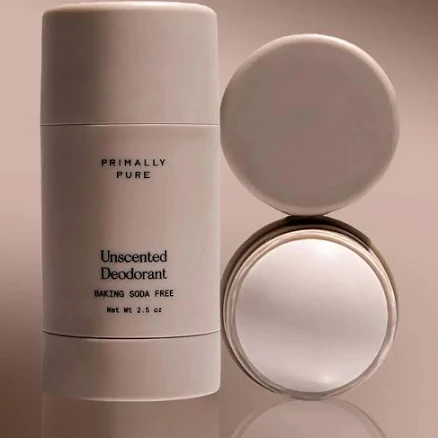
- mineral-based powder blend (arrowroot, magnesium hydroxide, mica)
- We found no PFAS statement from the brand
- Skin irritation from magnesium hydroxide alkalinity
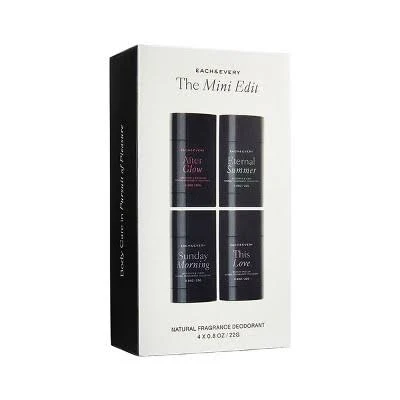
- cosmetic formulations, primary ingredients listed
- A third party reports verifying it as PFAS-free
- Fragrance allergens (natural essential oils)
2 hazards checked on this product, all on its full breakdown.
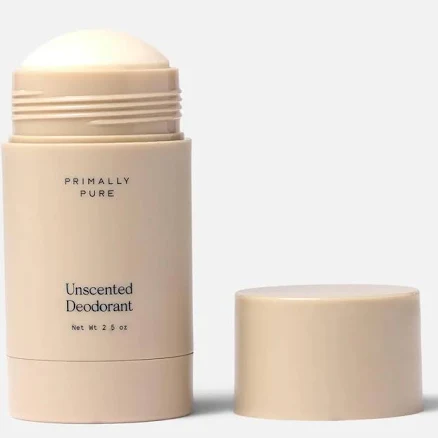
- natural mineral powders, plant-based actives, beeswax
- We found no PFAS statement from the brand
- Beeswax purity and contamination
2 hazards checked on this product, all on its full breakdown.
More deodorant grades
How we score, every product runs through the same public 0-100 rubric based on materials, coatings, brand disclosure, lab findings, and recalls. See the full methodology → Spotted a mistake? Report an error.