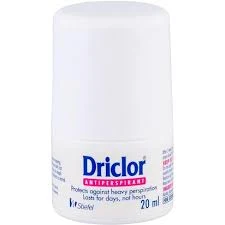
Antiperspirant Driclor · Deodorant
Driclor Solution Roll On Applicator 20ml
Lower concern, typical antiperspirant without known PFAS triggers.
This aluminum chloride hexahydrate solution lacks disclosed water-repellent or stain-resistant coatings. Roll-on applicators and aqueous solutions carry minimal PFAS risk.
We flunk more products than we pass. This one earned its grade. How we grade
Material
aqueous solution (aluminum chloride hexahydrate base), roll-on applicator housing
Brand disclosure
Brand is silent on PFAS
Lab data
No public lab test
You may also be interested in
Top-graded picks in the categories readers replace first, every one scored on the same rubric.

- polypropylene filter housing, carbon/sediment cartridge
- We found no PFAS statement from the brand
- Bacterial growth in spent cartridges
3 hazards checked on this product, all on its full breakdown.

Aquasure
Premier Series 75 GPD Under Sink Reverse Osmosis Water Filtration System
- RO membrane, carbon filters, stainless steel housing
- We found no PFAS statement from the brand
- Bacterial and microbial growth in housing and filters
4 hazards checked on this product, all on its full breakdown.

Avocado
Vegan Mattress
- organic cotton, natural latex, coconut coir, recycled steel coils
- The brand calls it PFAS-free, which we have not verified
- Heavy metals
2 hazards checked on this product, all on its full breakdown.
What Driclor Solution Roll On Applicator 20ml is made of, ingredients and materials
Driclor Solution is a liquid antiperspirant based on aluminum chloride hexahydrate (typically 20% w/v), dissolved in water with stabilizing agents. Aluminum chloride works by forming a plug in the sweat duct to reduce perspiration; it is considerably more potent than the aluminum salts in standard antiperspirants. The roll-on applicator dispenses this solution directly onto skin, minimizing waste and controlling dose. This formulation is well-established in dermatology and has been used for decades, though it is stronger and more likely to irritate sensitive skin than conventional products.
What’s concerning
Category baseline
The starting point for this type of product, before anything specific to this product is counted.
No PFAS disclosure
No public statement from the brand about PFAS in this product.
Aluminum systemic absorption and renal impact
Aluminum chloride can be absorbed through skin, particularly in high-concentration antiperspirants like Driclor. Long-term use has been studied for potential links to renal function and bone health; regulatory bodies (FDA, SCCS) have set exposure limits for dermal aluminum, and Driclor at recommended doses remains within those limits, but users with existing kidney disease should consult a ph
Skin irritation and contact dermatitis
Aluminum chloride is corrosive at high concentration and commonly triggers localized irritation, erythema, burning, or itching, especially on freshly shaved or broken skin. This is a known and expected side effect of high-strength antiperspirants and is not a product defect, but users with sensitive skin or eczema have higher risk and may not tolerate Driclor.
Microorganism growth if applicator is contaminated or stored improperly
The aqueous base supports bacterial growth if the roll-on head contacts non-sterile surfaces or if the bottle is stored in damp, warm conditions. Users should avoid touching the applicator to anything other than skin and keep the cap tightly sealed; however, properly stored and handled Driclor carries no greater microbial risk than any liquid cosmetic.
Fragrance allergen sensitivity or undisclosed fragrance components
Driclor Solution may contain fragrance or masking agents not always fully itemized on the label; individuals with fragrance sensitivity or Multiple Chemical Sensitivity should patch-test or request a full ingredient disclosure from the manufacturer before regular use.
What’s reassuring
Base material not linked to PFAS
The main material recorded for this product is not one associated with PFAS.
Heavy metals
No recalls or test data for lead, cadmium, or other heavy metals in Driclor have been documented. As a regulated pharmaceutical product in most markets, the aqueous formulation is subject to pharmacopeial purity standards, making heavy metal contamination unlikely, though independent testing is not publicly available.
Source, FDA ↗How is this PFAS grade calculated?
The brand's record and disclosure
Driclor is manufactured by Stiefel (part of GlaxoSmithKline) and marketed as a pharmaceutical-grade antiperspirant in many countries, often available by prescription or over-the-counter depending on region. The brand has a long clinical history with no major safety recalls or public health warnings on record. Driclor does not prominently advertise sustainability or third-party certifications; product labeling focuses on efficacy and strength rather than ingredient transparency beyond the active component. No documented controversies regarding manufacturing practices or undisclosed additives have been established in public health databases.
How it compares in its category
Driclor is a higher-strength antiperspirant compared to mass-market roll-ons and sprays; it sits between consumer deodorants and prescription-grade formulations like drysol. Its aluminum chloride concentration is significantly higher than typical consumer antiperspirants (which use aluminum zirconium or aluminum hydroxide), making it more effective for heavy sweating but also more likely to cause skin irritation. Users seeking gentler alternatives might choose aluminum-free or lower-concentration products; those with hyperhidrosis often find Driclor's potency justifies the irritation risk.
If you buy it
Apply to clean, dry skin only; applying to wet skin increases irritation risk. Start with small amounts on underarms and allow to dry fully before dressing to prevent staining and to reduce skin reactions. If irritation, itching, or rash develops, reduce frequency or discontinue and consult a dermatologist. Store at room temperature away from heat; do not expose to direct sunlight or temperatures above 25C, as heat may destabilize the formulation. The 20ml bottle typically lasts 2-3 months with daily use; replace if the solution becomes discolored or develops odor.
What is not known about PFAS in this product?
- Basis
- Model estimate, 72% confidence, not a lab result
- Lab test
- None on record for this exact product
- Brand statement
- Antiperspirant Driclor has made none
Formulations change between production runs, so check the current label. How we grade.
What are the PFAS-free alternatives to Driclor Solution Roll On Applicator 20ml?
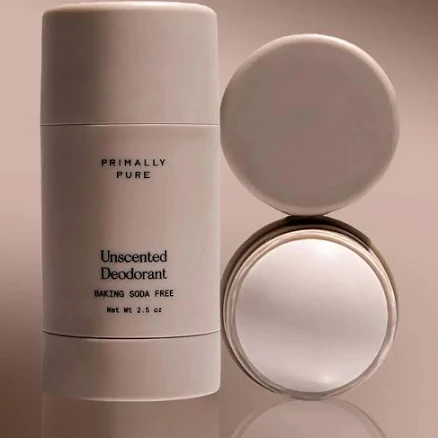
- mineral-based powder blend (arrowroot, magnesium hydroxide, mica)
- We found no PFAS statement from the brand
- Skin irritation from magnesium hydroxide alkalinity
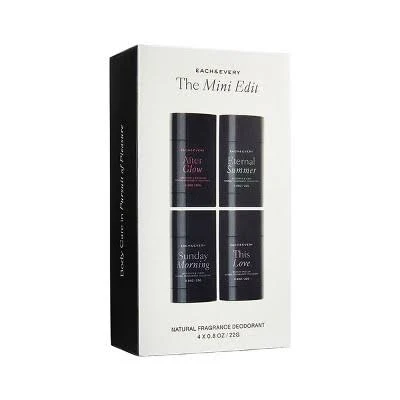
- cosmetic formulations, primary ingredients listed
- A third party reports verifying it as PFAS-free
- Fragrance allergens (natural essential oils)
2 hazards checked on this product, all on its full breakdown.
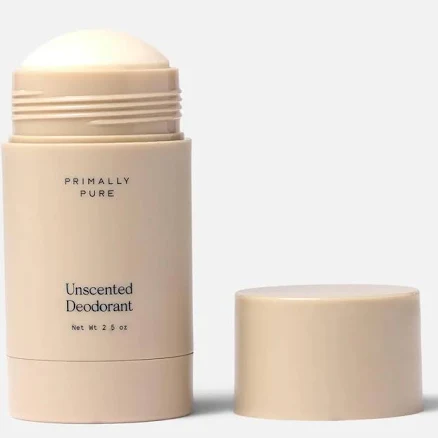
- natural mineral powders, plant-based actives, beeswax
- We found no PFAS statement from the brand
- Beeswax purity and contamination
2 hazards checked on this product, all on its full breakdown.
More deodorant grades
How we score, every product runs through the same public 0-100 rubric based on materials, coatings, brand disclosure, lab findings, and recalls. See the full methodology → Spotted a mistake? Report an error.