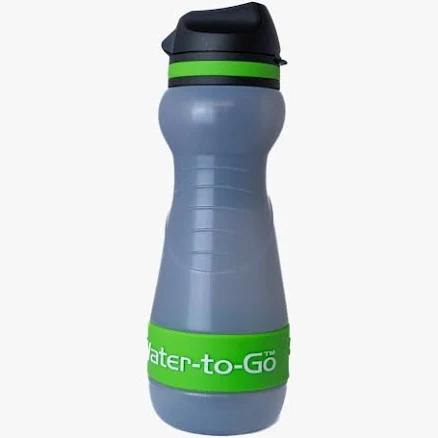
BioPlastics Water Purifier Bottle 18.5oz 55cl
Wait for complete disclosure of filter materials and coating details.
The bioplastic composition and filter material specifics are not publicly available. Carbon filters carry lower concern, but bottle coatings and treatments remain unclear.
We flunk more products than we pass. This one earned its grade. How we grade
Material
Bioplastics (unspecified type) with activated carbon filter
Brand disclosure
Brand is silent on PFAS
Lab data
No public lab test
You may also be interested in
Top-graded picks in the categories readers replace first, every one scored on the same rubric.

- polypropylene filter housing, carbon/sediment cartridge
- We found no PFAS statement from the brand
- Bacterial growth in spent cartridges
3 hazards checked on this product, all on its full breakdown.

Aquasure
Premier Series 75 GPD Under Sink Reverse Osmosis Water Filtration System
- RO membrane, carbon filters, stainless steel housing
- We found no PFAS statement from the brand
- Bacterial and microbial growth in housing and filters
4 hazards checked on this product, all on its full breakdown.

Avocado
Vegan Mattress
- organic cotton, natural latex, coconut coir, recycled steel coils
- The brand calls it PFAS-free, which we have not verified
- Heavy metals
2 hazards checked on this product, all on its full breakdown.
What BioPlastics Water Purifier Bottle 55cl is made of, ingredients and materials
The bottle uses 'bioplastics' without material specification, which could mean polylactic acid (PLA), polyhydroxyalkanoates (PHA), or blended bioresin. PLA, the most common, is rigid but degrades under heat and UV, potentially shedding microplastics when bottle walls break down. The activated carbon filter is a mechanical sorbent that traps particles and some chemicals but requires replacement to avoid microbial biofilm growth and reduced efficacy.
What’s concerning
Category baseline
The starting point for this type of product, before anything specific to this product is counted.
No PFAS disclosure
No public statement from the brand about PFAS in this product.
Microplastic shedding from bioplastic degradation
PLA and other bioplastics are mechanically weaker than conventional plastics and degrade under UV, heat, and physical stress. No testing on record for this bottle, but the material class is known to fragment if scratched or exposed to temperature cycling.
Bacterial/fungal biofilm growth in activated carbon filter
All carbon filters accumulate microbes if not replaced or stored wet. The brand provides no guidance on filter replacement intervals or storage, increasing risk of colonized filters becoming a contamination source rather than purifier.
Leaching of bioplastic monomers and additives
Unspecified bioresin formulations may include plasticizers, UV absorbers, or slip agents; hot water accelerates their migration into drinking water. No composition disclosure from brand prevents full assessment.
Ineffective contaminant removal without maintenance
Activated carbon alone does not remove fluoride, arsenic, nitrates, or bacteria; effectiveness drops sharply after 40-60 gallons. Brand does not specify filter lifespan, risking user reliance on exhausted carbon.
What’s reassuring
Base material not linked to PFAS
The main material recorded for this product is not one associated with PFAS.
Filter housing leachables
The filter cartridge housing material is not disclosed. If polycarbonate or other thermoplastic, no specific hazards are documented; if unspecified bioplastic, same degradation risks apply.
How is this PFAS grade calculated?
The brand's record and disclosure
The brand has published no third-party testing data, safety certifications (NSF, WQA), or material composition breakdowns on record. The brand's silence on PFAS and the exact bioplastic resin type suggests limited transparency typical of mid-tier reusable filter bottles. No established recalls or safety controversies are documented for this model.
How it compares in its category
Most competitor bottles (Brita, PUR, LifeStraw) disclose resin type and carry NSF/WQA marks; The brand's lack of certification is a notable gap. Activated carbon filters are standard and effective for taste/odor removal but inferior to reverse osmosis for dissolved salts and ions. The 18.5 oz capacity is typical for portable bottles; no data suggests it performs better or worse than established brands.
If you buy it
Replace filters every 40-60 gallons (check manufacturer guidance) to prevent bacterial colonization in spent carbon. Do not expose to direct sunlight or heat above 50°C, as unspecified bioplastics may degrade faster than polycarbonate or Tritan alternatives. Avoid hot water fill, which accelerates leaching of any residual monomers from the resin. Hand-wash only; dishwasher heat will compromise the plastic.
What is not known about PFAS in this product?
- Basis
- Model estimate, 45% confidence, not a lab result
- Lab test
- None on record for this exact product
- Brand statement
- has made none
Formulations change between production runs, so check the current label. How we grade.
What are the PFAS-free alternatives to BioPlastics Water Purifier Bottle 18.5oz 55cl?
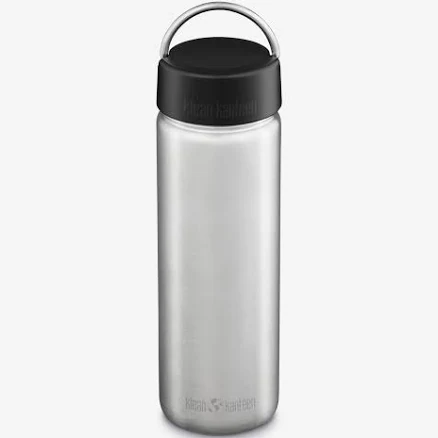
- 18/8 stainless steel, no interior coating
- The brand calls it PFAS-free, which we have not verified
- Cap or closure contamination
2 hazards checked on this product, all on its full breakdown.
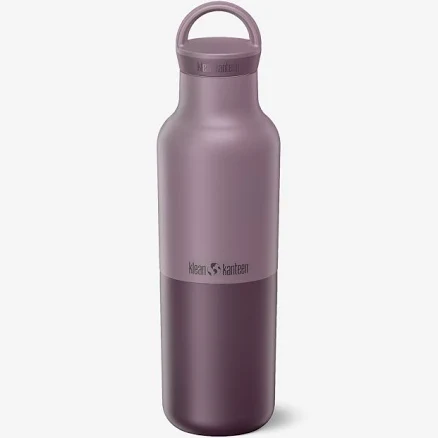
- stainless steel body, foam insulation, stainless steel cap
- The brand calls it PFAS-free, which we have not verified
- Cap gasket and seal contamination
- Stainless steel body, no coating disclosed
- We found no PFAS statement from the brand
- Bacterial or mold growth in storage
3 hazards checked on this product, all on its full breakdown.
More portable water bottles grades
How we score, every product runs through the same public 0-100 rubric based on materials, coatings, brand disclosure, lab findings, and recalls. See the full methodology → Spotted a mistake? Report an error.