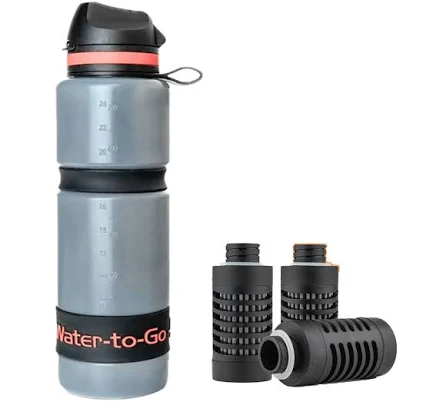
Large Water Purifier Bottle Bundle 25oz/75cl
Low risk. No PFAS disclosure from brand.
Water filter bottles typically use carbon or RO filters, which are inherently lower PFAS risk. The brand provides no public PFAS statement.
We flunk more products than we pass. This one earned its grade. How we grade
Material
Plastic bottle with carbon/RO filter cartridge
Brand disclosure
Brand is silent on PFAS
Lab data
No public lab test
You may also be interested in
Top-graded picks in the categories readers replace first, every one scored on the same rubric.

- polypropylene filter housing, carbon/sediment cartridge
- We found no PFAS statement from the brand
- Bacterial growth in spent cartridges
3 hazards checked on this product, all on its full breakdown.

Aquasure
Premier Series 75 GPD Under Sink Reverse Osmosis Water Filtration System
- RO membrane, carbon filters, stainless steel housing
- We found no PFAS statement from the brand
- Bacterial and microbial growth in housing and filters
4 hazards checked on this product, all on its full breakdown.

Avocado
Vegan Mattress
- organic cotton, natural latex, coconut coir, recycled steel coils
- The brand calls it PFAS-free, which we have not verified
- Heavy metals
2 hazards checked on this product, all on its full breakdown.
What Large Water Purifier Bundle 25oz/75cl is made of, ingredients and materials
This bundle pairs a plastic bottle (typically polypropylene or copolyester) with a replaceable carbon and/or reverse osmosis filter cartridge. The plastic housing itself poses minimal acute leaching risk at room temperature, but the filter cartridge composition is the critical unknown, manufacturers rarely disclose whether activated carbon is virgin or recycled, or whether membrane materials release particles or residues. The join points between bottle and cartridge are potential weak zones for contamination ingress if seals degrade.
What’s concerning
Category baseline
The starting point for this type of product, before anything specific to this product is counted.
No PFAS disclosure
No public statement from the brand about PFAS in this product.
Bacterial growth and biofilm in filter cartridge
Carbon filters with high surface area are susceptible to bacterial colonization if not replaced on schedule or if water sits in the bottle. The brand's guidance on replacement frequency and storage conditions is not publicly detailed, elevating this risk.
Microplastic shedding from filter media
Activated carbon cartridges can shed fine particles, especially when new or if damaged. No test data from clarifies whether their cartridges are wrapped or pre-flushed to minimize this.
Filter cartridge housing contaminant ingress
If the seal between bottle and cartridge is loose or degrades, untreated water can bypass the filter entirely. The brand does not publish seal durability data or visual inspection guidance.
What’s reassuring
Base material not linked to PFAS
The main material recorded for this product is not one associated with PFAS.
Plastic bottle leaching at elevated temperature
Polypropylene and copolyester bottles are stable at room temperature and typical tap water conditions. Risk of BPA or phthalate leaching is low for this material class when used as intended, though no specific testing for bottles is publicly available.
Heavy metals
Activated carbon is effective at trapping many heavy metals (lead, chromium), but actual contaminant reduction claims and test certifications for the brand are not publicly disclosed, making performance verification difficult.
Source, FDA ↗How is this PFAS grade calculated?
The brand's record and disclosure
The brand maintains minimal public disclosure on material sourcing, filter certification standards (NSF, WQA), or heavy metal testing protocols. No established product recalls or safety incidents appear in public record for this brand, but the absence of third-party certification claims or published test data is notable. The company's silence on PFAS in filter media or plastic components is consistent with many budget-tier water filter brands and does not confirm safety or risk.
How it compares in its category
Portable water filter bottles occupy a lower-scrutiny segment than whole-home systems; typical competitors (Brita, LifeStraw, PUR) often display NSF or WQA marks and publish contaminant reduction claims. The brand's lack of visible third-party certification is a relative weakness. Carbon-only bottles have lower concern regarding stagnation risk than pitcher filters because they are used actively, but RO cartridges require more precise maintenance guidance than this product appears to provide.
If you buy it
Replace the cartridge every 1 to 3 months (or per the included schedule) to prevent bacterial biofilm accumulation inside the filter media, which is the primary health risk with portable bottles. Do not leave standing water in the bottle for more than a few hours in warm conditions. Inspect the seal and cartridge housing for cracks or discoloration before each refill. Rinse the bottle thoroughly with clean water before first use and weekly with hot water to reduce mold risk.
What is not known about PFAS in this product?
- Basis
- Model estimate, 60% confidence, not a lab result
- Lab test
- None on record for this exact product
- Brand statement
- has made none
Formulations change between production runs, so check the current label. How we grade.
What are the PFAS-free alternatives to Large Water Purifier Bottle Bundle 25oz/75cl?
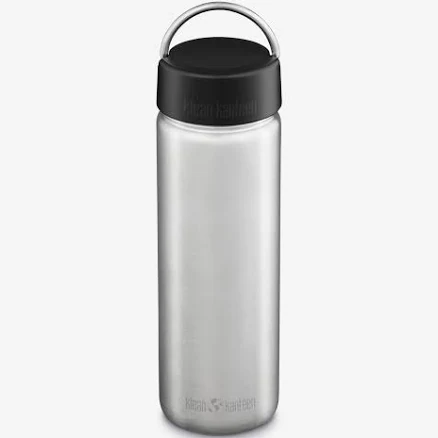
- 18/8 stainless steel, no interior coating
- The brand calls it PFAS-free, which we have not verified
- Cap or closure contamination
2 hazards checked on this product, all on its full breakdown.
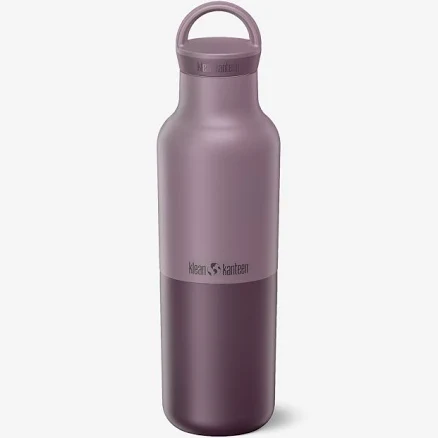
- stainless steel body, foam insulation, stainless steel cap
- The brand calls it PFAS-free, which we have not verified
- Cap gasket and seal contamination
- Stainless steel body, no coating disclosed
- We found no PFAS statement from the brand
- Bacterial or mold growth in storage
3 hazards checked on this product, all on its full breakdown.
More portable water bottles grades
How we score, every product runs through the same public 0-100 rubric based on materials, coatings, brand disclosure, lab findings, and recalls. See the full methodology → Spotted a mistake? Report an error.