Arc'teryx · Synthetic Athletic Wear
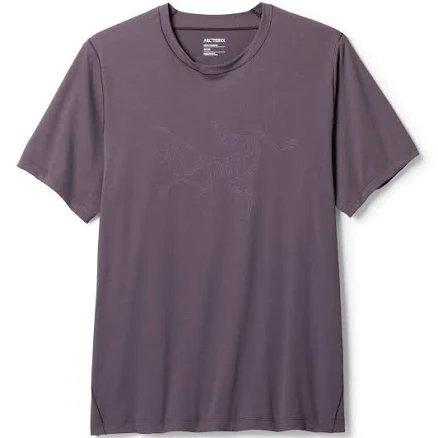
Arc'teryx Men's Cormac Logo Shirt
Lower concern, basic polyester shirt with no water-repellent coating finish.
This polyester logo shirt has no water-repellent or stain-resistant finish, so no typical PFAS coating risks apply. Arc'teryx makes no PFAS claims either way.
Still want this one anyway? Check the price on Amazon. We’d swap it.
Material
100% polyester knit, no water-repellent treatment
Lab data
No public lab test
You may also be interested in
Top-graded picks in the categories readers replace first, every one scored on the same rubric.

- polypropylene filter housing, carbon/sediment cartridge
- We found no PFAS statement from the brand
- Bacterial growth in spent cartridges
3 hazards checked on this product, all on its full breakdown.

Aquasure
Premier Series 75 GPD Under Sink Reverse Osmosis Water Filtration System
- RO membrane, carbon filters, stainless steel housing
- We found no PFAS statement from the brand
- Bacterial and microbial growth in housing and filters
4 hazards checked on this product, all on its full breakdown.

Avocado
Vegan Mattress
- organic cotton, natural latex, coconut coir, recycled steel coils
- The brand calls it PFAS-free, which we have not verified
- Heavy metals
2 hazards checked on this product, all on its full breakdown.
What Arc'teryx Men's Cormac Logo Shirt is made of, ingredients and materials
This shirt is 100% polyester knit with no water-repellent treatment applied. Polyester itself is a synthetic thermoplastic polymer that does not leach toxic monomers like BPA and carries low inherent chemical risk when unfinished. The absence of a water-repellent coating (water-repellent coating) coating eliminates a primary source of PFAS exposure that would otherwise be present in performance apparel. The knit structure and basic construction mean no dyes, resins, or additives typical of treated technical fabrics.
What’s concerning
Category baseline
The starting point for this type of product, before anything specific to this product is counted.
No PFAS disclosure
No public statement from the brand about PFAS in this product.
Heavy metals
Any colored polyester carries potential for azo dyes or trace heavy metals in pigments, but Arc'teryx is not flagged for violations and likely meets EU/US dye standards. The specific color of the Cormac Logo Shirt and dye composition are not publicly disclosed, so risk remains generic to the product class.
Source, FDA ↗Antimony in polyester
Antimony trioxide is a catalyst used in polyester manufacturing and may be present in trace amounts. No product-specific testing is available; typical contamination levels in finished apparel are below concern thresholds, but no public assay exists for this garment.
Microplastic shedding
Polyester knits shed microfibers during washing, contributing to ocean and freshwater microplastic pollution. This is inherent to the material and not brand-specific; washing in a microfiber-catching bag or filter reduces release.
What’s reassuring
Base material not linked to PFAS
The main material recorded for this product is not one associated with PFAS.
Formaldehyde / VOCs
No evidence of formaldehyde-based finishing resins in untreated polyester knits of this type. Arc'teryx does not document the use of formaldehyde releasers in basic apparel lines.
Source, ATSDR ↗Flame retardants
No flame retardant chemicals are documented in basic polyester casualwear; Arc'teryx does not add chemical flame retardants to untreated knit apparel.
Source, EPA ↗How is this PFAS grade calculated?
The brand's record and disclosure
Arc'teryx does not publicly release detailed chemical or material testing data for basic apparel items, which is typical of most mainstream outdoor brands but less transparent than leaders in sustainable disclosure. The brand has no documented controversies over formaldehyde, heavy metals, or azo dyes in finished products. Their silence on PFAS mirrors the industry norm for untreated polyester basics; they do disclose water-repellent coating use in technical lines where applicable, suggesting standard practices elsewhere.
How it compares in its category
This is a straightforward polyester performance shirt with minimal chemical processing, placing it in the lower-risk range for basic synthetic apparel. Most competitors in the outdoor casual segment (Patagonia, The North Face, REI basics) use similar untreated polyester knits for non-technical items, so Arc'teryx is not an outlier. The product has lower concern than water-repellent coating-finished shirts and cotton-polyester blends that may carry residual finishes or dye loads; it aligns with conventional practice.
If you buy it
Wash in cool water with standard detergent; polyester resists shrinkage and is durable through repeated laundering without degradation concerns. Avoid high heat drying, which stresses synthetic fibers but does not release chemical hazards. The shirt requires no special care and will perform normally for 50-100+ wash cycles before fibers degrade noticeably. Keep away from direct sustained heat sources (heaters, fire) to prevent melting, though normal wear poses no thermal risk.
What is not known about PFAS in this product?
- Basis
- Model estimate, 72% confidence, not a lab result
- Lab test
- None on record for this exact product
- Brand statement
- Arc'teryx has made a specific claim
Formulations change between production runs, so check the current label. How we grade.
More synthetic athletic wear grades
How we score, every product runs through the same public 0-100 rubric based on materials, coatings, brand disclosure, lab findings, and recalls. See the full methodology → Spotted a mistake? Report an error.