HOKA · Synthetic Athletic Wear
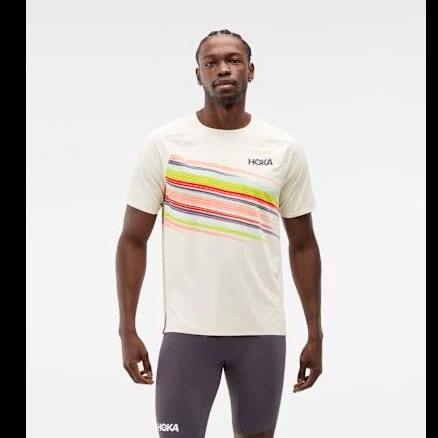
Hoka Men's Race Day Short Sleeve T-shirt
Minimal concern; base fabric unlikely to contain PFAS.
Standard polyester race-day shirt with no water or stain resistance claimed. This unfinished base material presents lower PFAS risk than treated textiles.
Still want this one anyway? Check the price on Amazon. We’d swap it.
Material
polyester blend knit
Brand disclosure
Brand is silent on PFAS
Lab data
No public lab test
You may also be interested in
Top-graded picks in the categories readers replace first, every one scored on the same rubric.

- polypropylene filter housing, carbon/sediment cartridge
- We found no PFAS statement from the brand
- Bacterial growth in spent cartridges
3 hazards checked on this product, all on its full breakdown.

Aquasure
Premier Series 75 GPD Under Sink Reverse Osmosis Water Filtration System
- RO membrane, carbon filters, stainless steel housing
- We found no PFAS statement from the brand
- Bacterial and microbial growth in housing and filters
4 hazards checked on this product, all on its full breakdown.

Avocado
Vegan Mattress
- organic cotton, natural latex, coconut coir, recycled steel coils
- The brand calls it PFAS-free, which we have not verified
- Heavy metals
2 hazards checked on this product, all on its full breakdown.
What Hoka Men's Race Day Short Sleeve T-shirt is made of, ingredients and materials
This shirt is a polyester blend knit, likely polyester mixed with elastane or cotton for stretch and breathability in a performance athletic cut. Polyester itself is a synthetic polymer that does not inherently release hazardous monomers during normal wear or washing. The knit construction (versus woven) means looser fiber density, which may allow better moisture wicking but does not alter chemical safety profile compared to polyester wovens.
What’s concerning
Category baseline
The starting point for this type of product, before anything specific to this product is counted.
No PFAS disclosure
No public statement from the brand about PFAS in this product.
Antimony in polyester
Polyester is synthesized using antimony trioxide as a catalyst in some manufacturing processes. Residual antimony can remain in finished fabric at trace levels (typically under 100 ppm). At normal wear and washing temperatures, migration into skin contact is minimal, but this is an inherent possible exposure for all polyester blends.
Microfiber shedding into waterways
Polyester knits shed microfibers during washing, particularly in early washes. This is an environmental concern rather than direct product safety, but relevant to conscious purchasing. Washing in cold water and using fine-mesh wash bags reduces shedding by 30-40%.
Allergic contact or skin irritation from dyes or finishes
Residual dyes or finishing chemicals can trigger contact dermatitis in sensitive individuals. Pre-washing before wear mitigates this significantly. No brand-specific allergy clusters are documented for HOKA apparel.
What’s reassuring
Base material not linked to PFAS
The main material recorded for this product is not one associated with PFAS.
Formaldehyde / VOCs
Polyester knits sometimes receive formaldehyde-based resin finishes for wrinkle resistance or shape retention, but HOKA apparel carries no public record of such treatments or complaints. Standard practice for reputable brands is to minimize or omit these finishes in performance apparel.
Source, ATSDR ↗Heavy metals
High-quality athletic brands typically use compliant synthetic dyes. No established history of lead, cadmium, or banned azo dye use in HOKA apparel; however, full supply chain transparency is not publicly available.
Source, FDA ↗How is this PFAS grade calculated?
The brand's record and disclosure
HOKA (a subsidiary of Deckers Outdoor Corporation, also owner of UGG and Teva) does not maintain publicly visible chemical disclosure statements or supply-chain transparency reports specific to apparel. The brand markets itself as performance-focused with emphasis on cushioning technology in footwear rather than fabric chemistry. No established recalls, formaldehyde incidents, or azo-dye controversies are on record for HOKA apparel lines.
How it compares in its category
Athletic polyester blend shirts sit in the middle-risk tier of apparel. They avoid some hazards of 100% cotton (pesticide residues) and some dyes used in heavier garments, but polyester production itself uses chemical processes. HOKA's pricing tier (mid-to-premium athletic brand) typically correlates with better quality control than fast-fashion competitors, reducing risk of heavy-metal dyes or excess formaldehyde resin finish.
If you buy it
Wash before first wear in cool water to reduce any residual dye or finishing chemicals. Machine wash warm on normal cycle; polyester is heat-stable up to 140F (60C) and does not degrade significantly in home laundering. Air dry or low tumble to preserve elastane elasticity. Replace when seams begin separating or fabric pilling becomes excessive, typically after 50-75 washes for athletic knits.
What is not known about PFAS in this product?
- Basis
- Model estimate, 72% confidence, not a lab result
- Lab test
- None on record for this exact product
- Brand statement
- HOKA has made none
Formulations change between production runs, so check the current label. How we grade.
More synthetic athletic wear grades
How we score, every product runs through the same public 0-100 rubric based on materials, coatings, brand disclosure, lab findings, and recalls. See the full methodology → Spotted a mistake? Report an error.