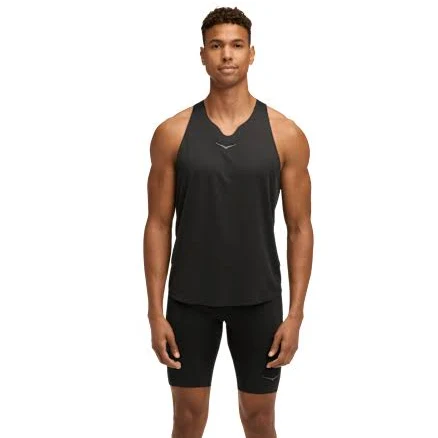
HOKA · Synthetic Athletic Wear
HOKA Men's Race Day Singlet Crew Neck Running Tank top
Minimal concern; no performance coatings on this running tank.
This basic athletic tank has no waterproof or stain-resistant coatings listed. Standard polyester-nylon knit without surface treatments carries lower PFAS exposure.
Still want this one anyway? Check the price on Amazon. We’d swap it.
Material
Polyester/nylon blend athletic knit, no disclosed water-repellent coating or stain treatment
Brand disclosure
Brand is silent on PFAS
Lab data
No public lab test
You may also be interested in
Top-graded picks in the categories readers replace first, every one scored on the same rubric.

- polypropylene filter housing, carbon/sediment cartridge
- We found no PFAS statement from the brand
- Bacterial growth in spent cartridges
3 hazards checked on this product, all on its full breakdown.

Aquasure
Premier Series 75 GPD Under Sink Reverse Osmosis Water Filtration System
- RO membrane, carbon filters, stainless steel housing
- We found no PFAS statement from the brand
- Bacterial and microbial growth in housing and filters
4 hazards checked on this product, all on its full breakdown.

Avocado
Vegan Mattress
- organic cotton, natural latex, coconut coir, recycled steel coils
- The brand calls it PFAS-free, which we have not verified
- Heavy metals
2 hazards checked on this product, all on its full breakdown.
What HOKA Men's Race Day Running Tank top is made of, ingredients and materials
This singlet is a polyester/nylon blend knit, a standard construction for moisture-wicking running apparel. Polyester itself is chemically stable during normal wear and washing; nylon adds durability and elasticity. The lack of any disclosed water-repellent (water-repellent coating) or stain treatment is actually a positive signal, many athletic brands apply fluorochemical or silicone finishes to improve performance, but this product appears to use only the base fibers. No adhesives, coatings, or chemical bonding agents typical of performance fabrics are mentioned.
What’s concerning
Category baseline
The starting point for this type of product, before anything specific to this product is counted.
No PFAS disclosure
No public statement from the brand about PFAS in this product.
Antimony in polyester
Antimony is a catalyst used in polyester synthesis and typically remains residual in fibers below regulatory concern (EU limit ~260 ppm). No test results for this specific product are available, but polyester apparel in general carries minimal dermal or ingestion risk from antimony during wear.
Microplastic shedding
Polyester/nylon blends shed fibers in washing and wear. This is a durability and environmental concern rather than a direct wearer safety hazard, but high-friction areas may pill and separate faster over time.
What’s reassuring
Base material not linked to PFAS
The main material recorded for this product is not one associated with PFAS.
Azo dyes
No public record of azo dye restrictions or issues in HOKA apparel. Polyester athletic knits in this price tier typically use disperse dyes, which are screened by major brands, but specific dye chemistry for this singlet is not disclosed.
Formaldehyde / VOCs
Athletic knits sometimes contain formaldehyde releasers in resin finishes for shape retention or dye fixation. No formaldehyde recall or warning exists for HOKA apparel. Without a performance coating, risk is lower than in wrinkle-resistant or flame-retardant textiles.
Source, ATSDR ↗Flame retardants
Athletic singlets are not flame-retardant treated as shipped. No flame retardant application is disclosed or typical for this product category unless explicitly marketed.
Source, EPA ↗How is this PFAS grade calculated?
The brand's record and disclosure
HOKA (owned by Deckers, which also makes The North Face and Ugg) does not publish detailed chemical composition or restricted substance lists for individual apparel items. The company has not faced major textile chemical recalls or public controversies over formaldehyde, azo dyes, or heavy metals in finished products. Deckers subsidiaries have pursued bluesign and OEKO-TEX certifications on some lines, but this singlet's certification status is not publicly disclosed. Silence on PFAS in athletic apparel is industry-standard, not unique to HOKA.
How it compares in its category
Most premium running singlets use polyester blends identical to this one; the absence of water-repellent coating treatment actually reduces chemical load compared to water-resistant alternatives from competitors like Nike, Brooks, or On. Polyester athletic knits typically have lower chemical concern because they require minimal finishing. The main differentiator among brands in this segment is transparency, and HOKA is neither worse nor better than peer companies on published ingredient disclosure.
If you buy it
Wash in cool to warm water with standard detergent; hot water and chlorine bleach are not necessary and may degrade elasticity faster. Polyester itself does not shed harmful chemicals into sweat or wash water during normal use. Avoid prolonged direct sunlight storage, as UV degrades nylon fibers over time (a durability concern, not a chemical one). Replace after visible pilling, seam separation, or loss of elasticity, typically 1-2 years of regular running use depending on frequency.
What is not known about PFAS in this product?
- Basis
- Model estimate, 72% confidence, not a lab result
- Lab test
- None on record for this exact product
- Brand statement
- HOKA has made none
Formulations change between production runs, so check the current label. How we grade.
More synthetic athletic wear grades
How we score, every product runs through the same public 0-100 rubric based on materials, coatings, brand disclosure, lab findings, and recalls. See the full methodology → Spotted a mistake? Report an error.