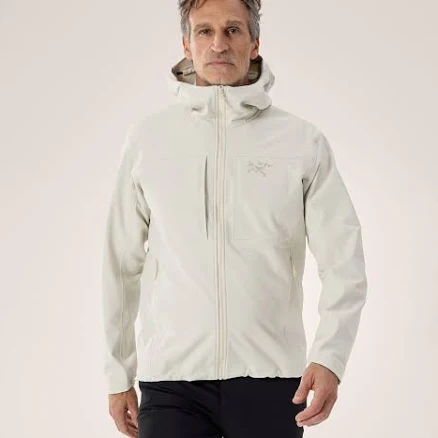
Arc'teryx · Synthetic Athletic Wear
Arc'teryx Men's Gamma MX Breathable Softshell Hoody
Mid-risk, water-repellent coating treatment chemistry unknown; Arc'teryx silent on PFAS.
Gamma MX uses nylon/polyester softshell with water-repellent coating treatment typical of this category. Arc'teryx does not disclose whether PFAS-based water-repellent coating is used.
Still want this one anyway? Check the price on Amazon. We’d swap it.
Material
Nylon/polyester softshell with water-repellent coating treatment
Lab data
No public lab test
You may also be interested in
Top-graded picks in the categories readers replace first, every one scored on the same rubric.

- polypropylene filter housing, carbon/sediment cartridge
- We found no PFAS statement from the brand
- Bacterial growth in spent cartridges
3 hazards checked on this product, all on its full breakdown.

Aquasure
Premier Series 75 GPD Under Sink Reverse Osmosis Water Filtration System
- RO membrane, carbon filters, stainless steel housing
- We found no PFAS statement from the brand
- Bacterial and microbial growth in housing and filters
4 hazards checked on this product, all on its full breakdown.

Avocado
Vegan Mattress
- organic cotton, natural latex, coconut coir, recycled steel coils
- The brand calls it PFAS-free, which we have not verified
- Heavy metals
2 hazards checked on this product, all on its full breakdown.
What Arc'teryx Men's Gamma MX Softshell Hoody is made of, ingredients and materials
The Gamma MX combines nylon and polyester in a softshell weave, treated with a water-repellent coating (water-repellent coating) finish to shed moisture. Softshells prioritize breathability over waterproofing, making them useful for active wear, but water-repellent coating chemistry varies widely across manufacturers. Arc'teryx does not publicly specify which water-repellent coating chemistry they use on this garment (Teflon-type coating-based, silicone-based, or fluorocarbon-free alternatives remain unclear). The base nylon and polyester themselves are not acute hazards in finished form, but the surface treatment is the variable of concern.
What’s concerning
Category baseline
The starting point for this type of product, before anything specific to this product is counted.
No PFAS disclosure
No public statement from the brand about PFAS in this product.
Waterproof / stain-resistant treatment
Water-repellent coating treatments have historically used PFAS.
Azo dyes and restricted colorants
Arc'teryx does not publicly certify compliance with OEKO-TEX or bluesign standards, which would exclude carcinogenic azo dyes. The Gamma MX is available in multiple colors; without third-party audit, azo dye risk cannot be ruled out, though industry norms and brand positioning suggest low likelihood.
water-repellent coating treatment leaching and microfiber shedding
If the water-repellent coating treatment contains Teflon-type coating or legacy fluorocarbons, washing and wear shed microfibers coated with these substances into water systems. The unknown chemistry makes this a concern; silicone or hydrocarbon water-repellent coating alternatives carry lower environmental risk per wash.
What’s reassuring
Formaldehyde / VOCs
No recalls or public testing reports of formaldehyde in Arc'teryx softshells. Nylon and polyester dyeing can involve formaldehyde-releasing binders, but finished apparel typically has minimal residual formaldehyde if properly rinsed; no evidence specific to this model.
Source, ATSDR ↗Antimony in polyester
Polyester catalysts can contain antimony trioxide; most modern polyester (including Arc'teryx's likely suppliers) use antimony-free catalysts. No warnings or recalls exist for Arc'teryx polyester products on this issue.
Flame retardants
Softshells are not typically treated with added flame retardants unless marketed for specific hazard use (climbing, firefighting). The Gamma MX is a general-purpose breathable hoody; no evidence of halogenated or organophosphate flame retardants in its construction.
Source, EPA ↗How is this PFAS grade calculated?
The brand's record and disclosure
Arc'teryx is a premium outdoor gear maker owned by Salomon/Amer Sports. The brand has not published public statements on PFAS phase-out commitments or water-repellent coating chemistry transparency, despite industry pressure from environmental groups. No major recalls or contamination incidents involving this specific hoody are on record. Arc'teryx does not currently list PFAS-free certifications (such as OEKO-TEX or bluesign) for their softshell line, and transparency remains limited compared to peer brands like Patagonia.
How it compares in its category
Most outdoor softshells in this price range (premium category) use some form of fluorinated water-repellent coating treatment; non-fluorinated water-repellent coating alternatives exist but are less common at Arc'teryx's performance tier. Brands like Patagonia and some Japanese manufacturers now offer softshells with fluorocarbon-free water-repellent coating. The Gamma MX's omission of public water-repellent coating disclosure places it in a middle zone, not transparently phased out, but not aggressively marketed with legacy chemistry either. For breathability and abrasion resistance, the nylon/polyester blend is standard and unremarkable.
If you buy it
Wash separately in cool water with mild soap, avoiding fabric softeners and high heat; tumble dry on low or air dry to prevent water-repellent coating damage and reduce microfiber shedding. Do not iron or expose to temperatures above 60°C. Replace the hoody when seams fail, zippers jam, or breathability noticeably declines, typically after 3-5 years of heavy use. Store dry to prevent mildew and odor.
What is not known about PFAS in this product?
- Basis
- Model estimate, 45% confidence, not a lab result
- Lab test
- None on record for this exact product
- Brand statement
- Arc'teryx has made a specific claim
Formulations change between production runs, so check the current label. How we grade.
What are the PFAS-free alternatives to Arc'teryx Men's Gamma MX Breathable Softshell Hoody?
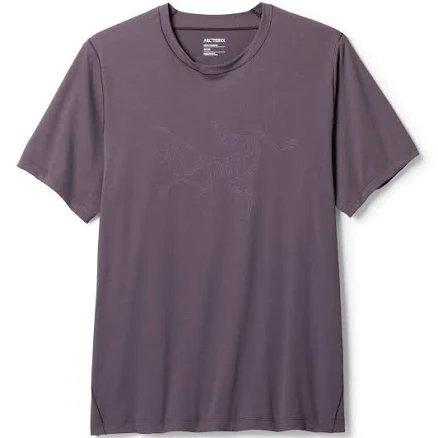
- 100% polyester knit, no water-repellent treatment
- Heavy metals
3 hazards checked on this product, all on its full breakdown.
Find an alternative on Amazon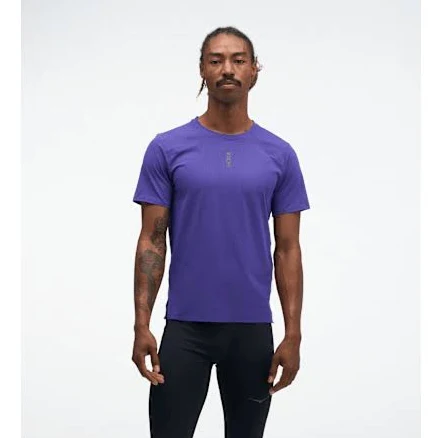
- polyester/nylon blend, no specified water repellent finish
- We found no PFAS statement from the brand
- Antimony in polyester
2 hazards checked on this product, all on its full breakdown.
Find an alternative on Amazon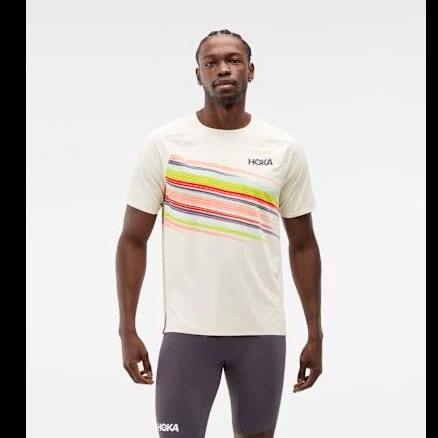
- polyester blend knit
- We found no PFAS statement from the brand
- Antimony in polyester
3 hazards checked on this product, all on its full breakdown.
Find an alternative on AmazonMore synthetic athletic wear grades
How we score, every product runs through the same public 0-100 rubric based on materials, coatings, brand disclosure, lab findings, and recalls. See the full methodology → Spotted a mistake? Report an error.