HOKA · Synthetic Athletic Wear
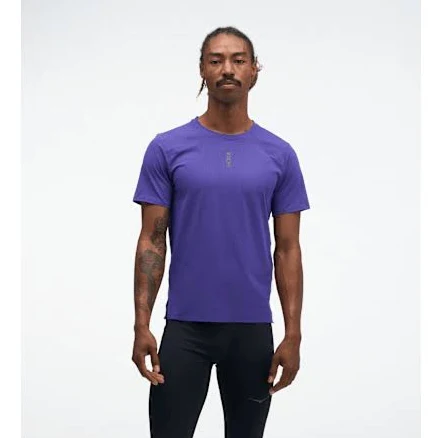
Hoka Men's EveryRun Short Sleeve
Minimal concern; no water-repellent coating finish on basic running shirt.
A plain polyester running shirt with no water-repellent finish disclosed. Without added water-repellent coating treatment, basic athletic fabric poses reduced PFAS risk.
Still want this one anyway? Check the price on Amazon. We’d swap it.
Material
polyester/nylon blend, no specified water repellent finish
Brand disclosure
Brand is silent on PFAS
Lab data
No public lab test
You may also be interested in
Top-graded picks in the categories readers replace first, every one scored on the same rubric.

- polypropylene filter housing, carbon/sediment cartridge
- We found no PFAS statement from the brand
- Bacterial growth in spent cartridges
3 hazards checked on this product, all on its full breakdown.

Aquasure
Premier Series 75 GPD Under Sink Reverse Osmosis Water Filtration System
- RO membrane, carbon filters, stainless steel housing
- We found no PFAS statement from the brand
- Bacterial and microbial growth in housing and filters
4 hazards checked on this product, all on its full breakdown.

Avocado
Vegan Mattress
- organic cotton, natural latex, coconut coir, recycled steel coils
- The brand calls it PFAS-free, which we have not verified
- Heavy metals
2 hazards checked on this product, all on its full breakdown.
What Hoka Men's EveryRun Short Sleeve is made of, ingredients and materials
This shirt is a polyester/nylon blend, both synthetic polymers that are chemically stable during normal wear and washing. Neither material naturally leaches toxic substances into skin or sweat under typical athletic use conditions. The absence of any disclosed water-repellent coating (water-repellent coating) finish means the product avoids the primary vector for PFAS exposure in athletic apparel; many performance shirts use fluorinated coatings to repel sweat and rain, but this one does not. Polyester can shed microfibers when laundered, though this is a general textile issue unrelated to chemical hazard.
What’s concerning
Category baseline
The starting point for this type of product, before anything specific to this product is counted.
No PFAS disclosure
No public statement from the brand about PFAS in this product.
Antimony in polyester
Antimony is used as a catalyst in some polyester production. HOKA does not disclose antimony levels or mitigation; leaching into skin contact is minimal under normal wear, but migration to sweat may occur at trace levels. This is a general polyester concern, not specific to HOKA.
Microfiber shedding
All polyester/nylon textiles shed microfibers during laundering, releasing plastic particles into wastewater. This is an environmental and ingestion concern (via water systems), not a direct skin toxicity hazard, but relevant to product lifecycle impact.
What’s reassuring
Base material not linked to PFAS
The main material recorded for this product is not one associated with PFAS.
Formaldehyde / VOCs
Polyester does not require formaldehyde-based finishes for durability. No formaldehyde-based anti-wrinkle treatment has been reported in HOKA EveryRun apparel; modern polyester blends achieve wrinkle resistance through fiber engineering alone.
Source, ATSDR ↗Azo dyes (toxic colorant breakdown products)
No recalls or testing evidence suggests HOKA uses restricted azo dyes in this product. The brand sources from standard athletic apparel supply chains; restricted azo dyes are largely phased out in US/EU athletic wear, though independent verification is absent.
Flame retardants
Athletic shirts are not required to meet flame-retardant standards (those apply to sleepwear and furniture). No flame retardant finish is disclosed or typical for HOKA EveryRun apparel.
Source, EPA ↗How is this PFAS grade calculated?
The brand's record and disclosure
HOKA (owned by Deckers Brands) does not publicly disclose PFAS testing or restrictions on its basic athletic apparel line, and no independent recalls or safety alerts specific to HOKA shirts have been documented. The brand has not faced major chemical hazard controversies tied to its footwear or apparel materials in available public records. Absence of marketing around restricted substances suggests standard industry manufacturing practices without premium safety commitments, but also no known red flags.
How it compares in its category
Polyester/nylon blends are the standard for mid-range athletic performance shirts; this combination is chemically unremarkable and poses no greater hazard than competitors like Nike Dri-FIT or Brooks apparel made from similar materials. The lack of a water repellent finish actually reduces chemical risk compared to premium 'water-shedding' running shirts that often carry PFAS coatings. This product has lower concern in the athletic wear spectrum due to material simplicity rather than brand differentiation.
If you buy it
Wash in cool to warm water (not hot) to minimize microfiber shedding and preserve elastic and seaming; polyester degrades slightly faster under high heat and bleach. No special precautions needed for skin contact or sweat absorption; polyester does not bio-accumulate or leach under normal wear. Replace when seams fray, elastic loses tension, or pilling becomes heavy (typically 50-100 wash cycles for athletic wear). Standard laundry practices apply; no need for specialized detergents or separate handling.
What is not known about PFAS in this product?
- Basis
- Model estimate, 72% confidence, not a lab result
- Lab test
- None on record for this exact product
- Brand statement
- HOKA has made none
Formulations change between production runs, so check the current label. How we grade.
More synthetic athletic wear grades
How we score, every product runs through the same public 0-100 rubric based on materials, coatings, brand disclosure, lab findings, and recalls. See the full methodology → Spotted a mistake? Report an error.