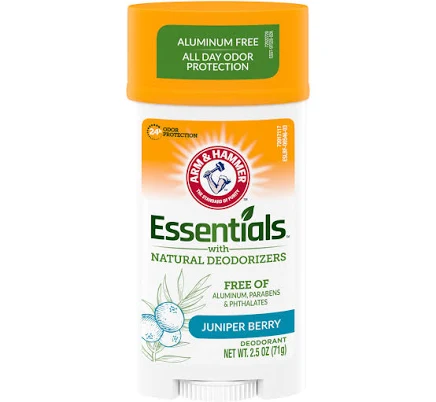
Arm Hammer Essentials Natural Deodorant
Lower concern. Powder cosmetics lack typical PFAS exposure routes.
Arm & Hammer Essentials is a simple powder deodorant with baking soda as the primary active ingredient. No known PFAS-bearing coatings or treatments are used in powder cosmetics formulations.
We flunk more products than we pass. This one earned its grade. How we grade
Material
baking soda, mineral-based powder cosmetic
Brand disclosure
Brand is silent on PFAS
Lab data
No public lab test
You may also be interested in
Top-graded picks in the categories readers replace first, every one scored on the same rubric.

- polypropylene filter housing, carbon/sediment cartridge
- We found no PFAS statement from the brand
- Bacterial growth in spent cartridges
3 hazards checked on this product, all on its full breakdown.

Aquasure
Premier Series 75 GPD Under Sink Reverse Osmosis Water Filtration System
- RO membrane, carbon filters, stainless steel housing
- We found no PFAS statement from the brand
- Bacterial and microbial growth in housing and filters
4 hazards checked on this product, all on its full breakdown.

Avocado
Vegan Mattress
- organic cotton, natural latex, coconut coir, recycled steel coils
- The brand calls it PFAS-free, which we have not verified
- Heavy metals
2 hazards checked on this product, all on its full breakdown.
What Arm Hammer Essentials Natural Deodorant is made of, ingredients and materials
Arm & Hammer Essentials is built on sodium bicarbonate (baking soda), a weak base that neutralizes odor-causing acids without blocking sweat. The formulation includes mineral-based powders and plant oils to improve texture and adherence. Baking soda itself has low systemic toxicity and is widely used in food; the concern with any baking-soda deodorant is skin irritation from alkalinity (pH around 8.3-9), not chemical toxicity. This product avoids aluminum antiperspirants, which carry separate absorption concerns, and omits talc.
What’s concerning
Category baseline
The starting point for this type of product, before anything specific to this product is counted.
No PFAS disclosure
No public statement from the brand about PFAS in this product.
Skin irritation from alkalinity
Baking soda deodorants are pH 8.3-9.0, higher than skin's natural 4.5-5.5 pH. Users with sensitive or freshly shaved underarms report redness or stinging; this is irritation, not allergy or poisoning, and resolves on discontinuation.
Fragrance allergens or undisclosed fragrance compounds
This formulation includes plant-derived fragrance or fragrance oils listed as 'fragrance' or specific botanicals. No formaldehyde-releasing preservatives or known allergen dyes are documented, but fragrance mixtures may trigger contact dermatitis in perfume-sensitive users.
What’s reassuring
Base material not linked to PFAS
The main material recorded for this product is not one associated with PFAS.
Heavy metals
No recalls or published testing by Arm & Hammer indicate lead, cadmium, or arsenic in this product. Mineral-based cosmetics carry theoretical contamination risk if ore sources are uncontrolled; this brand's manufacturing history shows no documented incidents.
Source, FDA ↗Talc contamination
Arm & Hammer Essentials is talc-free, which eliminates asbestos risk. Product uses mineral powders; ingredient list does not list talc.
Bacterial or fungal growth in powder
Dry powder cosmetics resist microbial colonization if kept dry. No preservatives needed; product is not a growth medium for bacteria or mold if stored properly (cool, dry place).
How is this PFAS grade calculated?
The brand's record and disclosure
Arm & Hammer publishes ingredient lists clearly and has not faced major safety recalls or regulatory actions for this deodorant line. The company does not disclose PFAS testing or stance explicitly, which is common for powder cosmetics (not a legal requirement). The brand has no documented pattern of heavy-metal contamination in personal care products. 'Natural' and 'Essentials' labeling reflects marketing positioning but is not certified by NSF or USDA Organic.
How it compares in its category
Baking-soda deodorants occupy a middle ground, lower concern than antiperspirants containing aluminum or zirconium, but with more potential skin irritation than glycerin or mineral oil bases for sensitive users. This product is simpler than many natural deodorants that add activated charcoal, probiotics, or essential oils. Powder form avoids preservative burdens that creams carry; however, some users find baking soda irritates underarm skin with daily use, whereas antiperspirant users rarely report this.
If you buy it
Test on a small patch first if you have sensitive or recently shaved skin; baking soda's alkalinity can cause redness or irritation in some people. Apply to dry skin only, as moisture can cause clumping and uneven coverage. Replace when the product visibly degrades or separates; powder cosmetics do not spoil quickly but can absorb moisture over 12-18 months if stored in humid bathrooms. Discontinue use if rash or persistent irritation develops; this is not a systemic toxicity risk but a localized sensitivity issue.
What is not known about PFAS in this product?
- Basis
- Model estimate, 78% confidence, not a lab result
- Lab test
- None on record for this exact product
- Brand statement
- Arm & Hammer has made none
Formulations change between production runs, so check the current label. How we grade.
What are the PFAS-free alternatives to Arm Hammer Essentials Natural Deodorant?
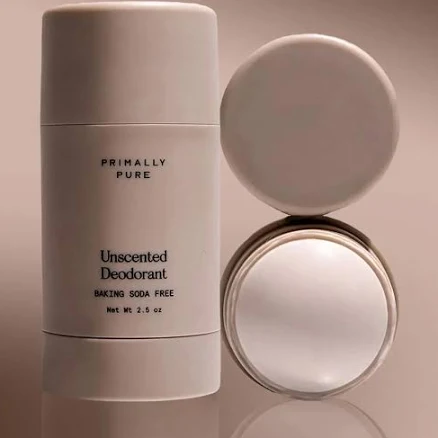
- mineral-based powder blend (arrowroot, magnesium hydroxide, mica)
- We found no PFAS statement from the brand
- Skin irritation from magnesium hydroxide alkalinity
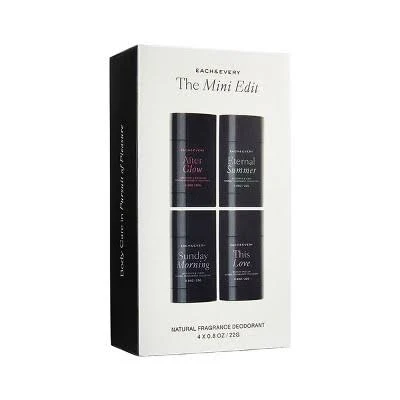
- cosmetic formulations, primary ingredients listed
- A third party reports verifying it as PFAS-free
- Fragrance allergens (natural essential oils)
2 hazards checked on this product, all on its full breakdown.
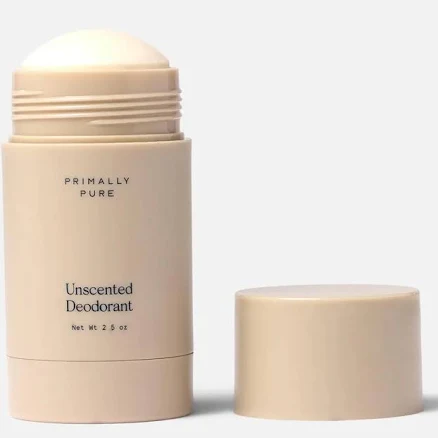
- natural mineral powders, plant-based actives, beeswax
- We found no PFAS statement from the brand
- Beeswax purity and contamination
2 hazards checked on this product, all on its full breakdown.
More deodorant grades
How we score, every product runs through the same public 0-100 rubric based on materials, coatings, brand disclosure, lab findings, and recalls. See the full methodology → Spotted a mistake? Report an error.