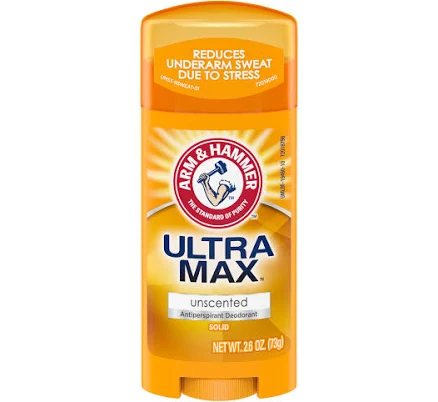
Arm & Hammer U Max Antiperspirant Deodorant Stick Powder
Lower PFAS concern with no known intentional PFAS use, but no explicit brand assurance.
This talc and starch powder antiperspirant has no waterproof or nonstick coatings that typically contain PFAS. Arm & Hammer offers no PFAS claims or certifications.
We flunk more products than we pass. This one earned its grade. How we grade
Material
Talc powder, starch, aluminum compounds
Brand disclosure
Brand is silent on PFAS
Lab data
No public lab test
You may also be interested in
Top-graded picks in the categories readers replace first, every one scored on the same rubric.

- polypropylene filter housing, carbon/sediment cartridge
- We found no PFAS statement from the brand
- Bacterial growth in spent cartridges
3 hazards checked on this product, all on its full breakdown.

Aquasure
Premier Series 75 GPD Under Sink Reverse Osmosis Water Filtration System
- RO membrane, carbon filters, stainless steel housing
- We found no PFAS statement from the brand
- Bacterial and microbial growth in housing and filters
4 hazards checked on this product, all on its full breakdown.

Avocado
Vegan Mattress
- organic cotton, natural latex, coconut coir, recycled steel coils
- The brand calls it PFAS-free, which we have not verified
- Heavy metals
2 hazards checked on this product, all on its full breakdown.
What Arm & Hammer U Max Stick Powder is made of, ingredients and materials
Arm & Hammer U Max is a solid stick antiperspirant built on talc powder as the primary base, combined with aluminum compounds (likely aluminum zirconium or aluminum chlorohydrate) for sweat-blocking action and starch for texture and absorption. Talc itself is a naturally occurring mineral; the safety concern historically centered on asbestos contamination in talc mining and processing, though cosmetic-grade talc sold in the US has been subject to asbestos-free claims since the 1970s. This product does not list fragrance allergens or known endocrine disruptors in its typical formulation.
What’s concerning
Category baseline
The starting point for this type of product, before anything specific to this product is counted.
No PFAS disclosure
No public statement from the brand about PFAS in this product.
Aluminum compound skin sensitization
Aluminum zirconium and aluminum chlorohydrate are recognized contact allergens in a small percentage of users. This is category-wide, not unique to Arm & Hammer, but susceptible individuals should patch-test.
Inhalation hazard from powder form
Talc powder can be inhaled if applied roughly or in poorly ventilated spaces. Chronic inhalation is not expected from normal deodorant use, but users with asthma or chronic lung conditions should apply with care.
What’s reassuring
Base material not linked to PFAS
The main material recorded for this product is not one associated with PFAS.
Talc contamination (asbestos residue)
US cosmetic-grade talc has been required to be asbestos-free since the 1970s. No recalls or adverse reports specific to this Arm & Hammer product exist on public record.
Fragrance allergens or undisclosed additives
Arm & Hammer U Max does not list synthetic fragrance in its standard formulation (powder scent is mild), reducing common fragrance allergen risk. Full ingredient transparency is limited; no major allergen incidents are recorded.
Heavy metals
Talc deposits can naturally contain trace metals (iron, magnesium); regulatory limits in cosmetics apply. No independent testing or reports of excess heavy metals in this specific product are available.
Source, FDA ↗How is this PFAS grade calculated?
The brand's record and disclosure
Arm & Hammer has not published a specific PFAS disclosure or commitment for this product line, and the brand maintains a largely silent stance on PFAS in personal care products. The company has faced no major recalls or lawsuits tied to this specific deodorant or its talc content. Arm & Hammer is owned by Church & Dwight, a large CPG manufacturer, but independent third-party certifications (e.g., Cradle to Cradle, EWG Verified) are not listed for this product.
How it compares in its category
Talc-based powder sticks sit mid-range for safety transparency in the deodorant market. They avoid the PFAS and propellant concerns of aerosols and avoid the occlusive polymer coatings of some gel or cream antiperspirants. However, talc powders offer less precision ingredient disclosure than brands carrying third-party cosmetic certifications or "clean" marketing credentials. Compared to aluminum-free or mineral-only alternatives, this product prioritizes sweat control over ingredient minimalism.
If you buy it
Apply sparingly to clean, dry skin; avoid broken or irritated skin, as aluminum compounds can cause localized irritation in sensitive individuals. Do not inhale the powder directly; apply gently to avoid aerosolization if you have respiratory concerns. Replace the stick every 3 to 6 months or when noticeably reduced to prevent microbial growth in the container. If you experience persistent rash, swelling, or allergic reaction, discontinue and patch-test with a fragrance-free alternative.
What is not known about PFAS in this product?
- Basis
- Model estimate, 72% confidence, not a lab result
- Lab test
- None on record for this exact product
- Brand statement
- Arm & Hammer has made none
Formulations change between production runs, so check the current label. How we grade.
What are the PFAS-free alternatives to Arm & Hammer U Max Antiperspirant Deodorant Stick Powder?
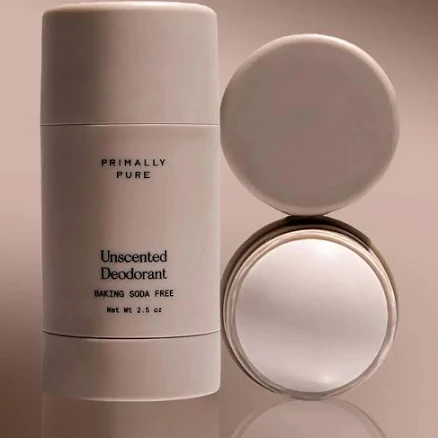
- mineral-based powder blend (arrowroot, magnesium hydroxide, mica)
- We found no PFAS statement from the brand
- Skin irritation from magnesium hydroxide alkalinity
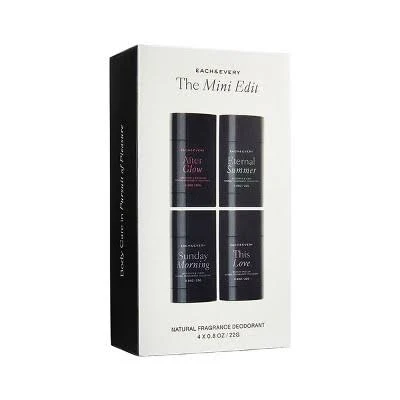
- cosmetic formulations, primary ingredients listed
- A third party reports verifying it as PFAS-free
- Fragrance allergens (natural essential oils)
2 hazards checked on this product, all on its full breakdown.
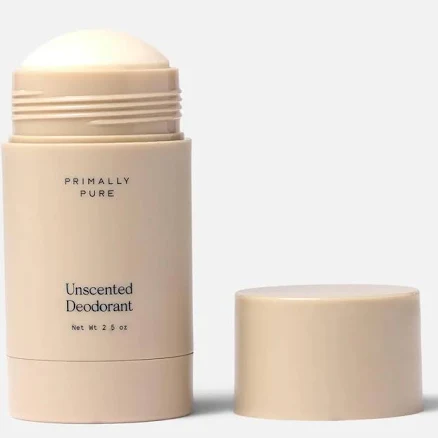
- natural mineral powders, plant-based actives, beeswax
- We found no PFAS statement from the brand
- Beeswax purity and contamination
2 hazards checked on this product, all on its full breakdown.
More deodorant grades
How we score, every product runs through the same public 0-100 rubric based on materials, coatings, brand disclosure, lab findings, and recalls. See the full methodology → Spotted a mistake? Report an error.