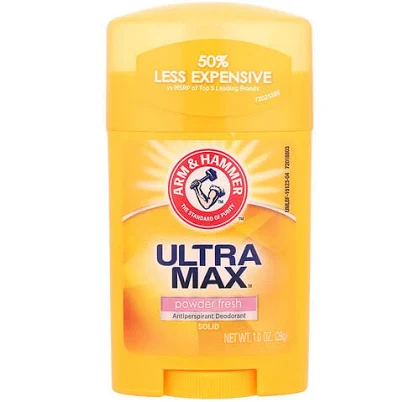
Arm & Hammer Ultra Max Antiperspirant Deodorant
Lower PFAS concern with no known PFAS triggers, but the brand offers no transparency.
The aluminum-based stick has no waterproof claims, nonstick coatings, or stain resistance that would introduce PFAS. Arm & Hammer provides no PFAS disclosure or testing data.
We flunk more products than we pass. This one earned its grade. How we grade
Material
Aluminum compound, wax, talc, starch
Brand disclosure
Brand is silent on PFAS
Lab data
No public lab test
You may also be interested in
Top-graded picks in the categories readers replace first, every one scored on the same rubric.

- polypropylene filter housing, carbon/sediment cartridge
- We found no PFAS statement from the brand
- Bacterial growth in spent cartridges
3 hazards checked on this product, all on its full breakdown.

Aquasure
Premier Series 75 GPD Under Sink Reverse Osmosis Water Filtration System
- RO membrane, carbon filters, stainless steel housing
- We found no PFAS statement from the brand
- Bacterial and microbial growth in housing and filters
4 hazards checked on this product, all on its full breakdown.

Avocado
Vegan Mattress
- organic cotton, natural latex, coconut coir, recycled steel coils
- The brand calls it PFAS-free, which we have not verified
- Heavy metals
2 hazards checked on this product, all on its full breakdown.
What Arm & Hammer Ultra Max Deodorant is made of, ingredients and materials
Arm & Hammer Ultra Max uses aluminum compounds as the active antiperspirant agent, combined with talc, wax, and starch as bulking and texture agents. Aluminum salts are the industry standard for sweat blocking and have decades of regulatory approval at these concentrations. Talc presence requires attention due to historical contamination risks, though talc-based deodorants remain legal and widely sold; the product formula does not appear to use bismuth or other metals known to accumulate in skin.
What’s concerning
Category baseline
The starting point for this type of product, before anything specific to this product is counted.
No PFAS disclosure
No public statement from the brand about PFAS in this product.
Talc contamination and asbestos risk
Talc ore can naturally contain asbestos; Arm & Hammer does not publicly disclose talc source or contamination testing for this product. Underarm application poses lower inhalation risk than powder form, but long-term skin contact remains a concern for some users. No recalls or adverse reports specific to this product are on record.
Aluminum systemic absorption
Aluminum antiperspirants are absorbed through skin in small amounts; regulatory agencies (FDA, EFSA) have not identified PFAS concerns from typical use, but no formal brand studies are publicly available for this specific formulation. Long-term cumulative exposure remains a topic of scientific debate, though causation to systemic harm is not established.
Fragrance allergen and sensitizer content
Ultra Max includes fragrance compounds which can trigger contact dermatitis or respiratory sensitivity in susceptible individuals. Arm & Hammer does not disclose specific fragrance allergens (e.g., limonene, linalool) on packaging, standard practice but limiting for allergy-prone users.
Skin irritation from wax and starch base
Wax and starch can trap moisture and bacteria in the underarm microbiome, leading to folliculitis or odor overgrowth in some users, especially in warm climates or with frequent reapplication. No product-specific adverse event reports are documented.
What’s reassuring
Base material not linked to PFAS
The main material recorded for this product is not one associated with PFAS.
Heavy metals
No lead, cadmium, or other heavy metal contamination has been reported for this product or talc-based deodorants in general, but independent testing by the brand or third parties is not publicly disclosed.
Source, FDA ↗How is this PFAS grade calculated?
The brand's record and disclosure
Arm & Hammer has not published detailed ingredient sourcing transparency or third-party safety testing results for this deodorant line. The brand has faced no major recalls or regulatory actions tied to this product. Like most mainstream antiperspirant manufacturers, Arm & Hammer does not publicly disclose heavy metal testing or talc contamination screening, which is typical for the category but falls short of premium or natural-focused competitors.
How it compares in its category
This is a conventional aluminum-based antiperspirant, placing it in the mainstream tier alongside Dove, Secret, and Degree. It offers no talc-free option under this specific product line, whereas some competitors now market talc-free variants. The formula is simpler and less likely to contain fragrance allergens than scented variants, though Ultra Max does include fragrance; it sits mid-range for ingredient transparency compared to premium or clean-label deodorant brands.
If you buy it
Apply to clean, dry underarms and allow to dry before dressing to minimize irritation and staining. If you have sensitive skin or a family history of talc-related concerns, consider a talc-free alternative or patch-test first. Replace when empty; do not expose to direct heat or sunlight as the wax base may degrade. Discontinue use if rash, irritation, or discoloration develops; this is not a medical-grade antiperspirant and should not replace clinical treatment for hyperhidrosis.
What is not known about PFAS in this product?
- Basis
- Model estimate, 72% confidence, not a lab result
- Lab test
- None on record for this exact product
- Brand statement
- Arm & Hammer has made none
Formulations change between production runs, so check the current label. How we grade.
What are the PFAS-free alternatives to Arm & Hammer Ultra Max Antiperspirant Deodorant?
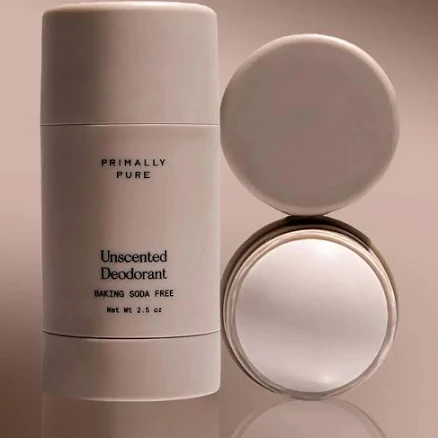
- mineral-based powder blend (arrowroot, magnesium hydroxide, mica)
- We found no PFAS statement from the brand
- Skin irritation from magnesium hydroxide alkalinity
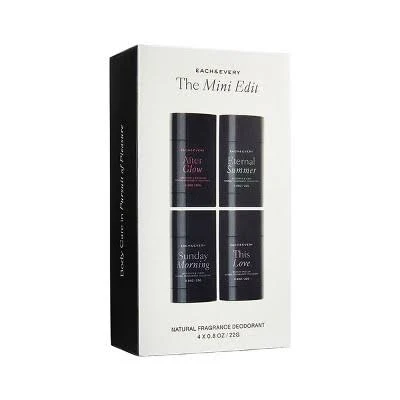
- cosmetic formulations, primary ingredients listed
- A third party reports verifying it as PFAS-free
- Fragrance allergens (natural essential oils)
2 hazards checked on this product, all on its full breakdown.
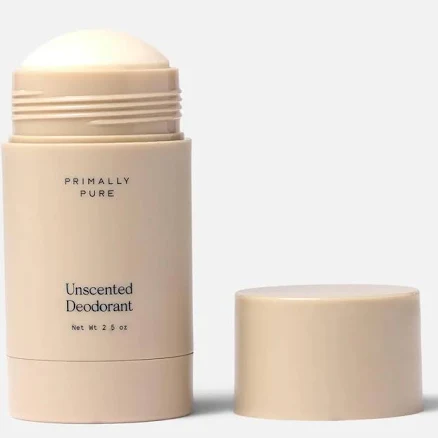
- natural mineral powders, plant-based actives, beeswax
- We found no PFAS statement from the brand
- Beeswax purity and contamination
2 hazards checked on this product, all on its full breakdown.
More deodorant grades
How we score, every product runs through the same public 0-100 rubric based on materials, coatings, brand disclosure, lab findings, and recalls. See the full methodology → Spotted a mistake? Report an error.