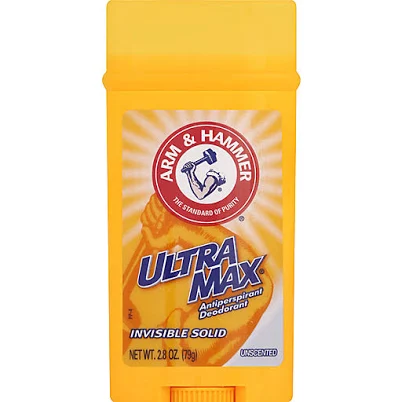
Arm & Hammer Ultramax Solid Antiperspirant Deodorant
Lower-concern solid deodorant with no known PFAS triggers, though cosmetics transparency remains limited.
This conventional solid antiperspirant lacks water-resistance coatings or nonstick treatments where PFAS commonly appear. Solid cosmetics carry lower PFAS risk than aerosols or waterproof products.
We flunk more products than we pass. This one earned its grade. How we grade
Material
Aluminum oxide, starch, talc, fragrance (typical solid antiperspirant base)
Brand disclosure
Brand is silent on PFAS
Lab data
No public lab test
You may also be interested in
Top-graded picks in the categories readers replace first, every one scored on the same rubric.

- polypropylene filter housing, carbon/sediment cartridge
- We found no PFAS statement from the brand
- Bacterial growth in spent cartridges
3 hazards checked on this product, all on its full breakdown.

Aquasure
Premier Series 75 GPD Under Sink Reverse Osmosis Water Filtration System
- RO membrane, carbon filters, stainless steel housing
- We found no PFAS statement from the brand
- Bacterial and microbial growth in housing and filters
4 hazards checked on this product, all on its full breakdown.

Avocado
Vegan Mattress
- organic cotton, natural latex, coconut coir, recycled steel coils
- The brand calls it PFAS-free, which we have not verified
- Heavy metals
2 hazards checked on this product, all on its full breakdown.
What Arm & Hammer Ultramax Solid Deodorant is made of, ingredients and materials
Arm & Hammer Ultramax is a solid stick antiperspirant based on aluminum oxide (the active antiperspirant agent), cornstarch or other starches, talc, and fragrance compounds. Aluminum oxide at concentrations typical in antiperspirants (around 15-20% by weight) is recognized by FDA for topical use and does not show systemic accumulation at these exposure levels. Talc and starch are inert carriers; talc has a legacy of contamination concerns in some cosmetics, but modern talc in regulated US antiperspirants is required to be asbestos-free under FDA oversight.
What’s concerning
Category baseline
The starting point for this type of product, before anything specific to this product is counted.
No PFAS disclosure
No public statement from the brand about PFAS in this product.
Fragrance allergens and sensitization
Arm & Hammer Ultramax lists 'fragrance' without itemizing constituent fragrance chemicals. Fragrance compounds are a common source of contact dermatitis in antiperspirants. Individual sensitivity varies; reactions are typically localized to the axilla and are not systemic.
Starch-based moisture retention and bacterial overgrowth
Starch carriers in solid antiperspirants can trap moisture in the stick, creating conditions favorable to bacterial or fungal colonization if stored in humid environments or left damp. This is a handling and storage issue, not a formulation defect, and is manageable by allowing the stick to dry between uses and replacing regularly.
Skin irritation from aluminum salts
Aluminum oxide can cause mild irritation, redness, or burning sensation in individuals with sensitive skin or if applied to freshly shaved areas. Reactions are generally reversible upon discontinuation. No idiosyncratic toxicity or severe adverse events are documented for this brand or formulation type.
What’s reassuring
Base material not linked to PFAS
The main material recorded for this product is not one associated with PFAS.
Talc contamination (asbestos risk)
FDA requires talc in cosmetics sold in the US to be asbestos-free and tested. No recalls or contamination reports are on record for Arm & Hammer Ultramax. Historical talc litigation has not implicated this brand's antiperspirant line.
Aluminum absorption and systemic accumulation
Aluminum oxide in topical antiperspirants at standard concentrations does not penetrate intact skin significantly and poses no established link to Alzheimer's or other systemic disease at these exposure levels, per FDA and epidemiological consensus. Daily use does not result in measurable body burden increase.
How is this PFAS grade calculated?
The brand's record and disclosure
Arm & Hammer (Church & Dwight) does not publish a dedicated PFAS or chemical transparency statement for this product line. The brand has not faced major recalls or legal actions specific to this antiperspirant. As a mainstream consumer brand under FDA cosmetic regulations, formulations are technically registered with the agency, but full ingredient lists beyond the label are not routinely disclosed publicly. No certifications such as EWG Verified or NSF exist for this product.
How it compares in its category
Ultramax is a conventional aluminum-based solid antiperspirant, comparable to drugstore competitors like Degree, Axe, and Secret in both formulation and hazard profile. It is not aluminum-free or natural (which would use non-aluminum alternatives like baking soda or zinc ricinoleate). Solid sticks as a category pose lower dermal and inhalation risk than aerosol sprays, which can aerosolize talc and fragrance particles. This product sits squarely in the mass-market, regulated safety baseline.
If you buy it
Apply to clean, dry skin to minimize irritation and optimize efficacy. Do not apply to broken or irritated skin. Replace the stick when notably worn or discolored (typically every 2-3 months with daily use) to avoid bacterial colonization of the stick surface. Store in a cool, dry place away from direct heat or sunlight to prevent softening and degradation. Discontinue use if persistent rash, burning, or allergic reaction develops and consult a dermatologist if sensitivity is recurrent.
What is not known about PFAS in this product?
- Basis
- Model estimate, 72% confidence, not a lab result
- Lab test
- None on record for this exact product
- Brand statement
- Arm & Hammer has made none
Formulations change between production runs, so check the current label. How we grade.
What are the PFAS-free alternatives to Arm & Hammer Ultramax Solid Antiperspirant Deodorant?
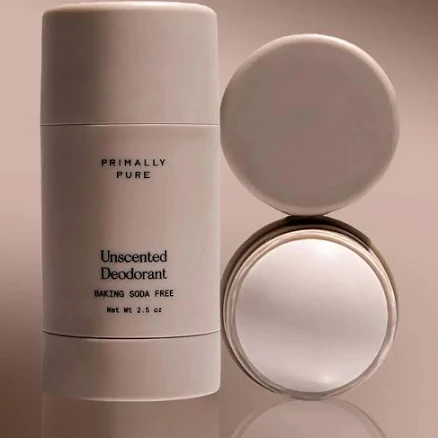
- mineral-based powder blend (arrowroot, magnesium hydroxide, mica)
- We found no PFAS statement from the brand
- Skin irritation from magnesium hydroxide alkalinity
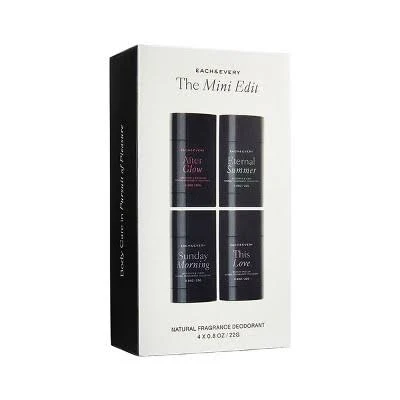
- cosmetic formulations, primary ingredients listed
- A third party reports verifying it as PFAS-free
- Fragrance allergens (natural essential oils)
2 hazards checked on this product, all on its full breakdown.
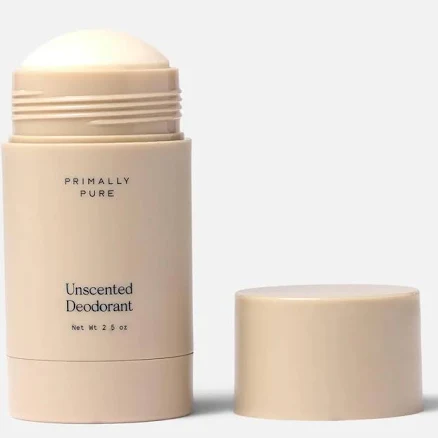
- natural mineral powders, plant-based actives, beeswax
- We found no PFAS statement from the brand
- Beeswax purity and contamination
2 hazards checked on this product, all on its full breakdown.
More deodorant grades
How we score, every product runs through the same public 0-100 rubric based on materials, coatings, brand disclosure, lab findings, and recalls. See the full methodology → Spotted a mistake? Report an error.