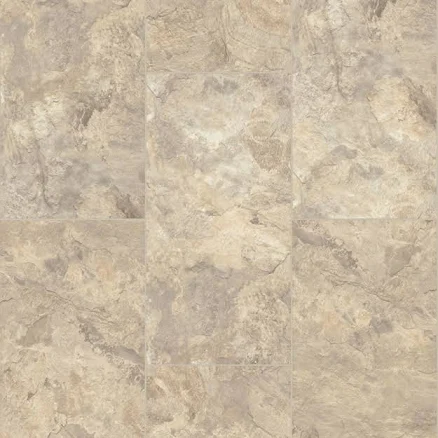
Armstrong Flooring D7115461 Mesa Stone 12 inch X 24 inch Textured Vinyl Flooring
Skip. Vinyl flooring with stain-resistant finish raises PFAS concern.
Armstrong does not disclose PFAS content or testing for this vinyl product. Stain-resistant vinyl flooring commonly contains PFAS for water and stain repellency, but no brand transparency here.
The better-graded swap

Style Selections
Style Selections 8-in x 8-in Vibrant Blend Brown 37-oz sq yard Polyester Textured Indoor Carpet STP32-L
75/100 safety
Same rubric that flunked this product. The swap earned Excellent.
Still want this one anyway? Check the price on Amazon. We’d swap it.
Material
vinyl flooring with stain-resistant finish
Brand disclosure
Brand is silent on PFAS
Lab data
No public lab test
What Armstrong Flooring D7115461 Mesa Stone 12 is made of, ingredients and materials
This is luxury vinyl plank (LVP) flooring composed of polyvinyl chloride (PVC) with a textured surface layer and stain-resistant topcoat. PVC-based flooring inherently contains plasticizers (typically phthalates or alternatives) to achieve flexibility, and the stain-resistant finish on vinyl frequently relies on fluorinated chemistry, which includes PFAS compounds. The textured finish is a mechanical feature and does not change the chemical composition of the base material.
What’s concerning
Unknown / proprietary coating
A coating is recorded with no disclosed chemistry.
Category baseline
The starting point for this type of product, before anything specific to this product is counted.
No PFAS disclosure
No public statement from the brand about PFAS in this product.
PFAS
Stain-resistant and water-repellent finishes on vinyl flooring commonly rely on PFAS chemistry. Armstrong has not publicly committed to PFAS-free alternatives for this product line, and no independent testing of this specific product is on record.
Source, ATSDR ↗Phthalate or alternative plasticizer leaching
PVC flooring contains plasticizers to provide flexibility. Leaching can occur into dust, indoor air, and any moisture in contact with the surface, with higher rates in warm or humid environments. The specific plasticizer type in this product is not disclosed in available product literature.
VOC off-gassing during and after installation
Vinyl flooring products consistently release volatile organic compounds, particularly in the first few weeks after installation. Off-gassing levels vary by formulation and environmental conditions but are a recognized concern in the industry.
Coating degradation over time
The textured stain-resistant surface layer can wear, chalk, or lose water-repellency with heavy foot traffic and cleaning. Once compromised, the underlying vinyl becomes more susceptible to staining and moisture infiltration.
Microplastic shedding from wear
As vinyl flooring ages and the surface texture breaks down under mechanical stress, small vinyl particles can be released into household dust. Inhalation or ingestion of microplastics from flooring is an emerging concern with limited quantification for this specific product.
The full breakdown
The brand's record and disclosure
Armstrong is a major flooring manufacturer with a long history but limited public disclosure on specific PFAS use in their vinyl product lines. The company has not published a comprehensive PFAS avoidance policy or removal timeline, and third-party testing of their vinyl products is sparse. No major recalls specific to this product line have been recorded, but the absence of recalls does not indicate hazard absence in vinyl flooring chemistry.
How it compares in its category
Vinyl plank flooring is among the most chemically complex flooring options, typically containing both plasticizers and fluorinated water/stain repellents. Compared to ceramic tile, laminate, or solid wood, vinyl carries higher off-gassing and leaching concerns during and after installation. Luxury vinyl products marketed as premium often incorporate more aggressive stain resistance, which correlates with higher PFAS likelihood.
If you buy it
Ensure adequate ventilation during and for 72 hours after installation to minimize inhalation of off-gassed volatile organic compounds (VOCs). Avoid using this flooring in areas subject to sustained heat above 80 degrees Fahrenheit, as PVC becomes more prone to plasticizer migration when warm. Clean with neutral pH products and dry immediately to prevent water ingress, which can degrade the stain-resistant coating. Plan for replacement in 10-15 years, as vinyl performance degrades over time.
What we don’t know
- Basis
- Model estimate, 35% confidence, not a lab result
- Lab test
- None on record for this exact product
- Brand statement
- Armstrong has made none
Formulations change between production runs, so check the current label. How we grade.
Better-graded alternatives in Carpets & Rugs
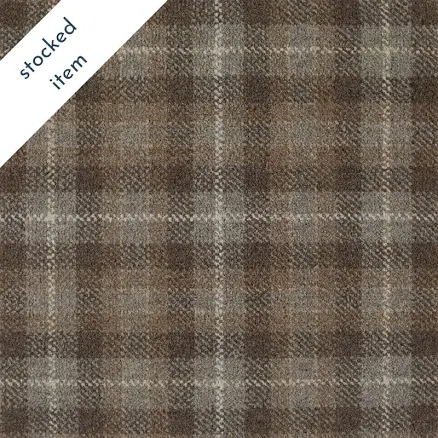
Axminster
Ben Vorlich Tartan Axminster Carpet | Wool Plaid
- wool plaid, Axminster weave
- We found no PFAS statement from the brand
- Formaldehyde / VOCs
4 hazards checked on this product. See all of them.
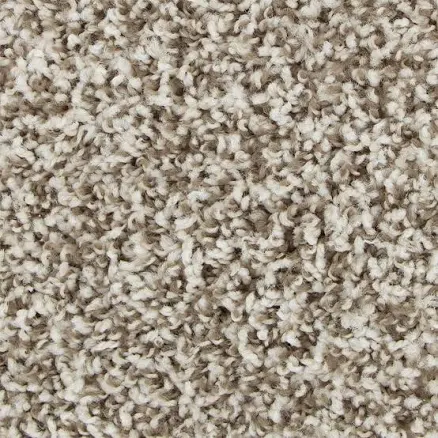
Style Selections
Timeless Brown Polyester Textured Indoor Carpet
- polyester fiber, untreated
- We found no PFAS statement from the brand
- Formaldehyde / VOCs
4 hazards checked on this product. See all of them.
Daltile
Flooring
- Ceramic tile, porcelain, or stone composite
- We found no PFAS statement from the brand
- Volatile Organic Compounds (VOCs) from installation adhesives and grout
4 hazards checked on this product. See all of them.
More carpets & rugs grades
How we score, every product runs through the same public 0-100 rubric based on materials, coatings, brand disclosure, lab findings, and recalls. See the full methodology → Spotted a mistake? Report an error.