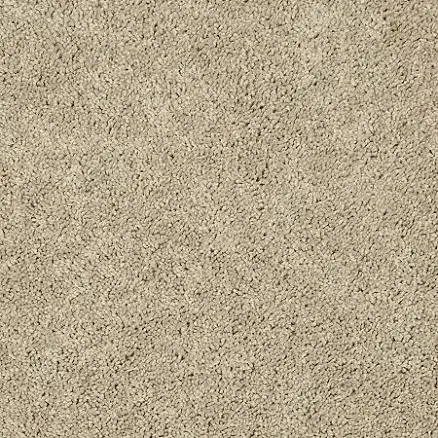
Sp423 by Mohawk | Durable Solid Carpet | Stain Resistant
Skip until Mohawk discloses stain treatment chemistry.
Mohawk's stain-resistant carpet likely uses a chemical finish, but the brand does not disclose whether PFAS is present. Without lab testing or transparency, risk remains unquantified.
The better-graded swap
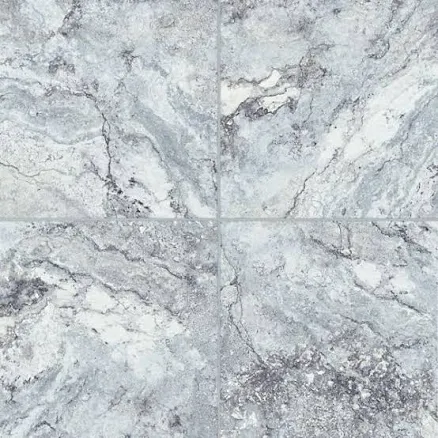
Armstrong
Armstrong Alterna Tuscan Path
75/100 safety
Same rubric that flunked this product. The swap earned Excellent.
Still want this one anyway? Check the price on Amazon. We’d swap it.
Material
synthetic carpet fiber with stain-resistant finish
Brand disclosure
Brand is silent on PFAS
Lab data
No public lab test
What Sp423 by Mohawk | Durable Solid Carpet | is made of, ingredients and materials
Sp423 is a synthetic carpet fiber (likely polyester or polypropylene blend) with an applied stain-resistant finish. The fiber itself does not off-gas significantly, but the applied stain treatment and any flame retardant applied during manufacturing are the primary chemical concern. Mohawk has not publicly disclosed the chemistry of either treatment, making independent assessment of volatility or leaching impossible.
What’s concerning
Unknown / proprietary coating
A coating is recorded with no disclosed chemistry.
Category baseline
The starting point for this type of product, before anything specific to this product is counted.
Vague safety claims only
Uses vague language ("eco-friendly", "clean") without a specific PFAS statement.
Flame retardants
US carpet regulations require flammability compliance, but Mohawk does not disclose which flame retardant class is used (brominated, chlorinated, phosphate-based, or mineral). Some brominated and chlorinated retardants are associated with bioaccumulation; phosphate-based alternatives have lower persistence but are not universally adopted.
Source, EPA ↗PFAS
Mohawk's stain treatment is not named on product documentation. Industry-standard fluorochemical treatments release low levels of volatile organics during curing and in warm/humid conditions. PFAS concern is graded separately, but other volatile components (surfactants, solvents) may contribute to indoor air quality during and after installation.
Source, ATSDR ↗Carpet backing and adhesive volatiles
Synthetic carpet backing (typically polypropylene or polyurethane) and installation adhesive are common sources of formaldehyde, 4-phenylcyclohexene (4-PCH), and other VOCs. These are not specific to Mohawk but are inherent to synthetic carpet installation and typically decline over 2-4 weeks with adequate ventilation.
Microfiber shedding and dust retention
Synthetic fibers shed microparticles, especially in the first weeks post-installation and with heavy foot traffic. This is not a toxicity hazard per se but can exacerbate indoor dust and respiratory sensitivity in susceptible individuals; regular vacuuming (HEPA filter recommended) mitigates this.
Chemical sensitivity and disclosure gap
Lack of transparent ingredient labeling creates risk for consumers with multiple chemical sensitivities or fragrance/formaldehyde avoidance needs. No third-party certification (GreenGuard, Cradle-to-Cradle) is publicly listed, limiting recourse for chemical complaints.
The full breakdown
The brand's record and disclosure
Mohawk is a major US carpet manufacturer but does not publicly disclose stain-resistant or flame-retardant chemistry on product labels or technical sheets. The company has received criticism for opacity on PFAS use in stain treatments but has not committed to reformulation or third-party verification. No major recalls or safety violations are on public record for this specific product line, though the lack of disclosure itself limits consumer confidence.
How it compares in its category
Most branded synthetic carpets include stain treatments (often fluorochemical-based or silicone-based) and flame retardants to meet US flammability standards. Sp423 is typical in this respect; untreated wool, natural fiber, or explicitly PFOA/PFOS-free synthetic carpets represent lower-concern alternatives if available at similar price. Mohawk's silence on chemistry is more restrictive than some competitors that publish Cradle-to-Cradle or GreenGuard certifications.
If you buy it
Ventilate the room well for 48-72 hours after installation to allow initial off-gassing of volatile compounds from adhesive, backing, and treatments. Vacuum regularly and use only water or non-toxic pH-neutral cleaners for spot treatment; avoid high-heat steam cleaning in the first year, as heat may accelerate release of volatile residues from finishes. Replace worn or heavily stained sections rather than attempting aggressive chemical cleaning, which can degrade the stain finish and mobilize bound chemicals. Monitor for any odor persistence beyond one week; if present, increase ventilation and contact Mohawk for material safety data.
What we don’t know
- Basis
- Model estimate, 35% confidence, not a lab result
- Lab test
- None on record for this exact product
- Brand statement
- Mohawk has made none
Formulations change between production runs, so check the current label. How we grade.
Better-graded alternatives in Carpets & Rugs
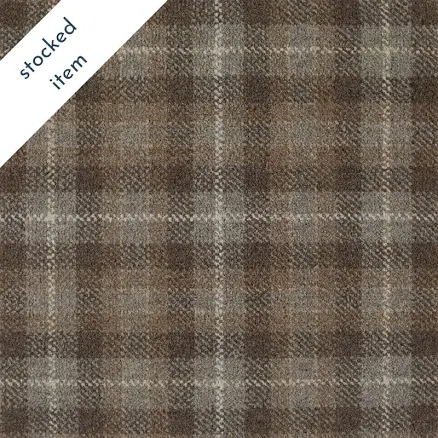
Axminster
Ben Vorlich Tartan Axminster Carpet | Wool Plaid
- wool plaid, Axminster weave
- We found no PFAS statement from the brand
- Formaldehyde / VOCs
4 hazards checked on this product. See all of them.
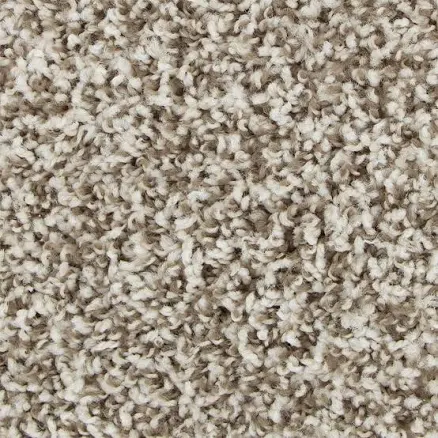
Style Selections
Timeless Brown Polyester Textured Indoor Carpet
- polyester fiber, untreated
- We found no PFAS statement from the brand
- Formaldehyde / VOCs
4 hazards checked on this product. See all of them.
Daltile
Flooring
- Ceramic tile, porcelain, or stone composite
- We found no PFAS statement from the brand
- Volatile Organic Compounds (VOCs) from installation adhesives and grout
4 hazards checked on this product. See all of them.
More carpets & rugs grades
How we score, every product runs through the same public 0-100 rubric based on materials, coatings, brand disclosure, lab findings, and recalls. See the full methodology → Spotted a mistake? Report an error.