
Kegler Rocker Recliner
Skip if PFAS avoidance is a priority; Ashley Furniture makes no disclosure on this model.
The Kegler Rocker Recliner uses standard upholstered construction with polyester-blend fabrics and foam. Ashley Furniture doesn't disclose PFAS treatment or stain-resistance methods.
The better-graded swap
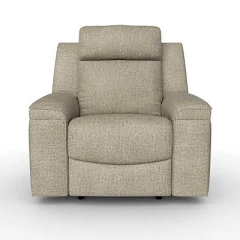
Ashley Furniture
Ashley Evereast Pass Manual Recliner
75/100 safety
Same rubric that flunked this product. The swap earned Excellent.
Still want this one anyway? Check the price on Amazon. We’d swap it.
Material
Upholstered fabric (polyester blend likely); foam; wooden frame
Brand disclosure
Brand is silent on PFAS
Lab data
No public lab test
You may also be interested in
Top-graded picks in the categories readers replace first, every one scored on the same rubric.

- polypropylene filter housing, carbon/sediment cartridge
- We found no PFAS statement from the brand
- Bacterial growth in spent cartridges
3 hazards checked on this product, all on its full breakdown.

Aquasure
Premier Series 75 GPD Under Sink Reverse Osmosis Water Filtration System
- RO membrane, carbon filters, stainless steel housing
- We found no PFAS statement from the brand
- Bacterial and microbial growth in housing and filters
4 hazards checked on this product, all on its full breakdown.

Avocado
Vegan Mattress
- organic cotton, natural latex, coconut coir, recycled steel coils
- The brand calls it PFAS-free, which we have not verified
- Heavy metals
2 hazards checked on this product, all on its full breakdown.
What Kegler Rocker Recliner is made of, ingredients and materials
The Kegler uses a polyester-blend upholstered fabric over foam cushioning and a wooden frame, a standard construction for mid-range recliners. Polyester fibers themselves are stable, but the adhesives, flame retardants, and dyes applied during fabric finishing are the actual concern. Foam cushioning (typically polyurethane) can off-gas volatile organic compounds (VOCs) and may contain legacy brominated flame retardants or modern alternatives; exact formulation is not publicly disclosed by Ashley. The wooden frame is generally low-risk unless treated with formaldehyde-based adhesives, which is common but not verified for this model.
What’s concerning
Category baseline
The starting point for this type of product, before anything specific to this product is counted.
No PFAS disclosure
No public statement from the brand about PFAS in this product.
Flame retardants
Modern polyurethane foam in recliners may contain brominated, chlorinated, or organophosphate flame retardants; formulation is not disclosed by Ashley for this model. Some legacy flame retardants (e.g., PBDE) are banned but may persist in older stock; no recall history exists for the Kegler.
Source, EPA ↗Volatile organic compounds (VOC) off-gassing
Polyester upholstery, foam adhesives, and latex-based coatings are routine sources of VOC emissions, particularly acrolein, formaldehyde, and toluene in the first weeks after purchase. No VOC testing is published for this model; off-gassing intensity depends on room ventilation and temperature.
Formaldehyde / VOCs
Wooden frames in mass-market recliners often use urea-formaldehyde (UF) or melamine-formaldehyde adhesives. Ashley does not specify adhesive type for the Kegler; disclosure is uncommon at this price tier.
Source, ATSDR ↗Foam degradation and microparticle release
Over 5-10 years, polyurethane foam breaks down physically and chemically, releasing particulates and volatile residues. Intensity depends on use frequency, temperature, humidity, and original foam quality; Ashley does not publish foam durability or composition data for the Kegler.
What’s reassuring
Base material not linked to PFAS
The main material recorded for this product is not one associated with PFAS.
Heavy metals
Polyester fabric typically undergoes acid or reactive dye processes; no specific safety recalls or testing results are on record for Ashley Furniture upholstered goods or this model. Standard commercial dyes are used and regulated, but third-party verification is absent.
Source, FDA ↗How is this PFAS grade calculated?
The brand's record and disclosure
Ashley Furniture is a large, mainstream manufacturer without industry-leading transparency on chemical content or third-party certifications (e.g., Greenguard, OEKO-TEX) for most of its standard lines. The company has faced no major recalls or legal actions on file for chemical hazards in upholstered furniture, but it makes no public statements about flame retardant selection, adhesive chemistry, or VOC testing for the Kegler model specifically. This silence reflects the norm for mass-market furniture but offers no assurance. No evidence of formaldehyde, azo dye, or antimony controversies tied to this brand in consumer databases.
How it compares in its category
This recliner occupies the budget-to-midrange segment where chemical disclosure is rare; competitors at this price point (e.g., Rooms to Go, Wayfair house brands) show similar opacity. Recliners with certified low-VOC or flame-retardant-free construction are available at higher price points (e.g., West Elm, Crate and Barrel) and typically cost 40-60% more. The Kegler's lack of third-party certification is typical for its category but not a unique disadvantage; however, the PFAS transparency gap (45/100 score) is a larger differentiator than chemical hazards alone.
If you buy it
Air out the recliner in a well-ventilated space or outdoors for 48-72 hours upon delivery to reduce initial VOC off-gassing; this is especially important in sealed rooms or bedrooms. Avoid prolonged heat exposure (e.g., direct sunlight, space heaters) as foam and adhesives can degrade and release compounds more readily. Inspect seams, foam, and piping quarterly for wear; early replacement of damaged sections prevents foam dust inhalation. Use a mattress protector or throw blanket as a barrier if concern about fabric-to-skin contact exists, and vacuum upholstery monthly to remove dust and shed fibers.
What is not known about PFAS in this product?
- Basis
- Model estimate, 35% confidence, not a lab result
- Lab test
- None on record for this exact product
- Brand statement
- Ashley Furniture has made none
Formulations change between production runs, so check the current label. How we grade.
More recliners grades
How we score, every product runs through the same public 0-100 rubric based on materials, coatings, brand disclosure, lab findings, and recalls. See the full methodology → Spotted a mistake? Report an error.